Popular vs Noble Support
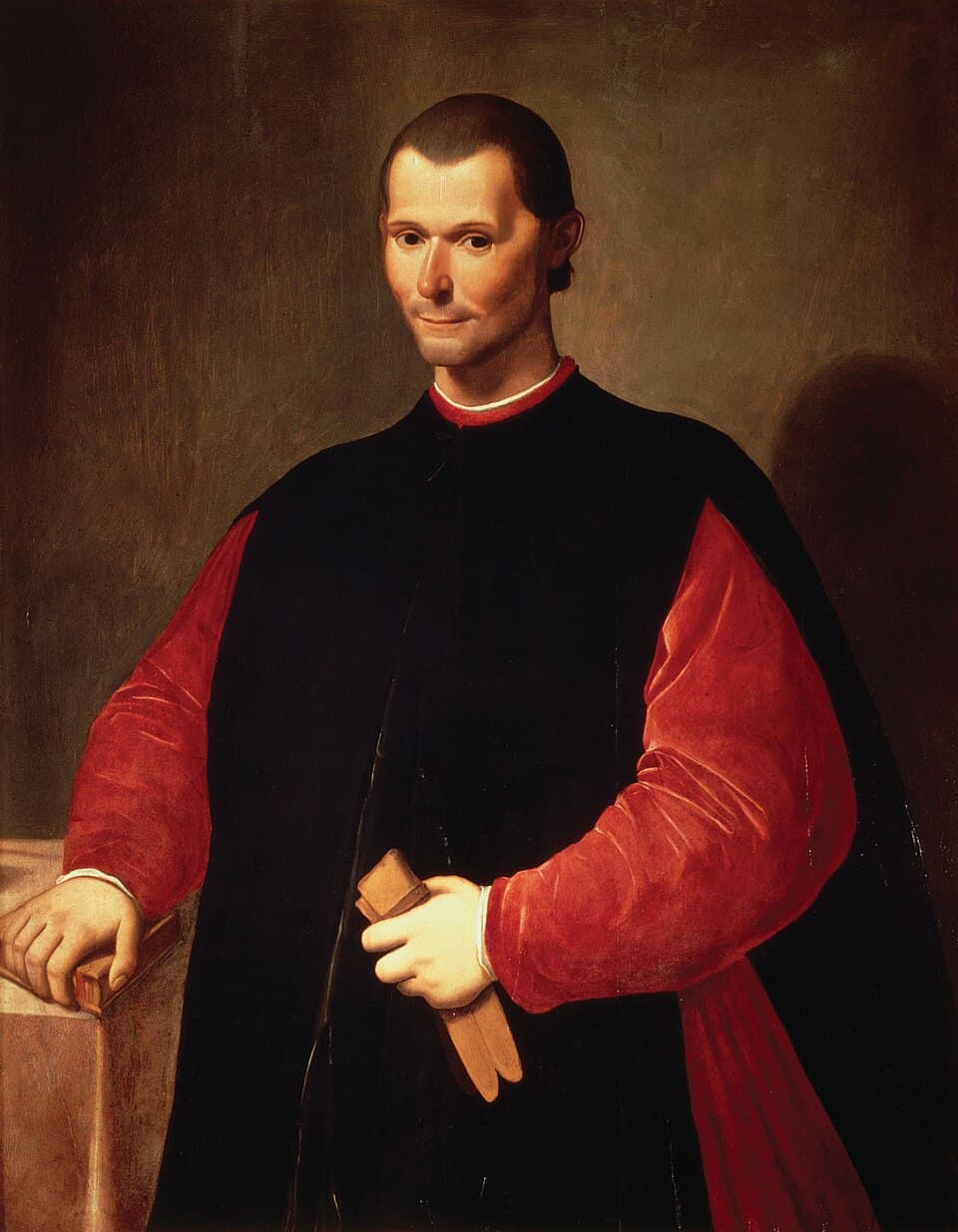
Niccolo Machiavelli
The PrinceMachiavelli contends that it is safer to rule with the support of the people than the nobles, as the people's desire—to not be oppressed—is more easily satisfied.
..., or anarchy. A principality is created either by the people or by the nobles, accordingly as one or other of them has the opportunity; for the nobles, seeing they cannot withstand the people, begin to cry up the reputation of one of themselves, and they make him a prince, so that under his shadow they can give vent to their ambitions. The people, finding they cannot resist the nobles, also cry up the reputation of one of themselves, and make him a prince so as to be defended by his authority.
He who obtains sovereignty by the assistance of the nobles maintains himself with more difficulty than he who comes to it by the aid of the people, because the former finds himself with many around him who consider themselves his equals, and because of this he can neither rule nor manage them to his liking. But he who reaches sovereignty by popular favour finds himself alone, and has none around him, or few, who are not prepared to obey him. Besides this, one cannot by fair dealing, and without injury to others, satisfy the nobles, but you can satisfy the people, for their object is more righteous than that of the nobles, the latter wishing…
It is to be added also that a prince can never secure himself against a hostile people, because of there being too many, whilst from the nobles he can secure himself, as they are few in number. The worst that a prince may expect from a hostile people is to be abandoned by them; but from hostile nobles he has not only to fear abandonment, but also that they will rise against him; for they, being in these affairs more far-seeing and astute, always come forward in time to save themselves, and to o...
Continue reading →
4