The Necessary Evil
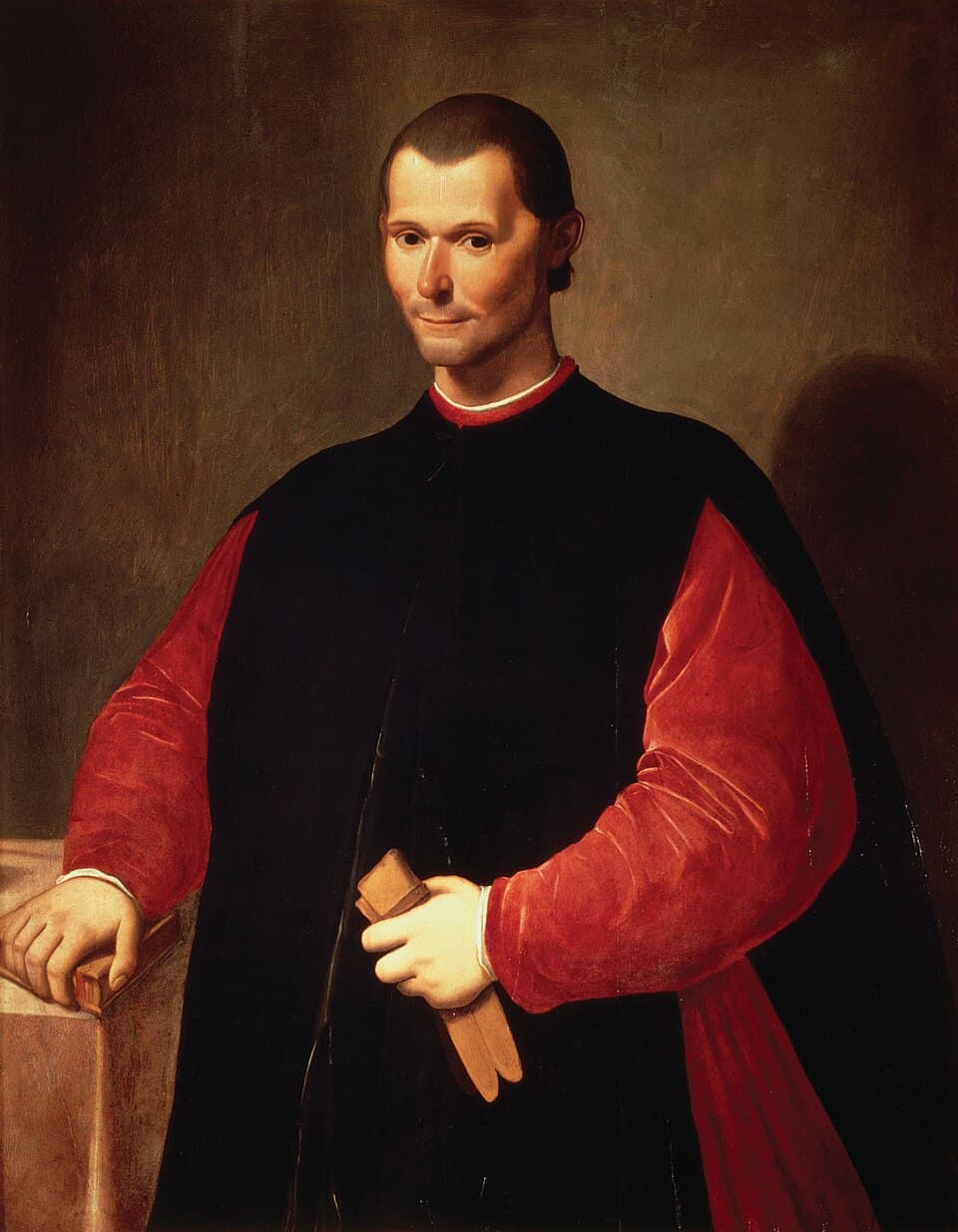
Niccolo Machiavelli
The PrinceIn a departure from traditional political idealism, the author argues that a prince must learn how to be 'not good' and use vice when necessary for the preservation of the state. He contends that a man who tries to be virtuous in all circumstances will inevitably be ruined by the many who are not virtuous.
..., and how in chastity, affability, humanity, and liberality Scipio conformed to those things which have been written of Cyrus by Xenophon. A wise prince ought to observe some such rules, and never in peaceful times stand idle, but increase his resources with industry in such a way that they may be available to him in adversity, so that if fortune chances it may find him prepared to resist her blows. CHAPTER XV. CONCERNING THINGS FOR WHICH MEN, AND ESPECIALLY PRINCES, ARE PRAISED OR BLAMED
It remains now to see what ought to be the rules of conduct for a prince towards subject and friends. And as I know that many have written on this point, I expect I shall be considered presumptuous in mentioning it again, especially as in discussing it I shall depart from the methods of other people. But, it being my intention to write a thing which shall be useful to him who apprehends it, it appears to me more appropriate to follow up the real truth of the matter than the imagination of it; for many have pictured republics and principalities which in fact have never been known or seen, because how one lives is so far distant from how one…
Therefore, putting on one side imaginary things concerning a prince, and discussing those which are real, I say that all men when they are spoken of, and chiefly princes for being more highly placed, are remarkable for some of those qualities which bring them either blame or praise; and thus it is that one is reputed liberal, another miserly, using a Tuscan term (because an avaricious person in our language is still he who desires to possess by robbery, whilst we call one miserly who deprives h...
Continue reading →
2