Fear's Proper Objects
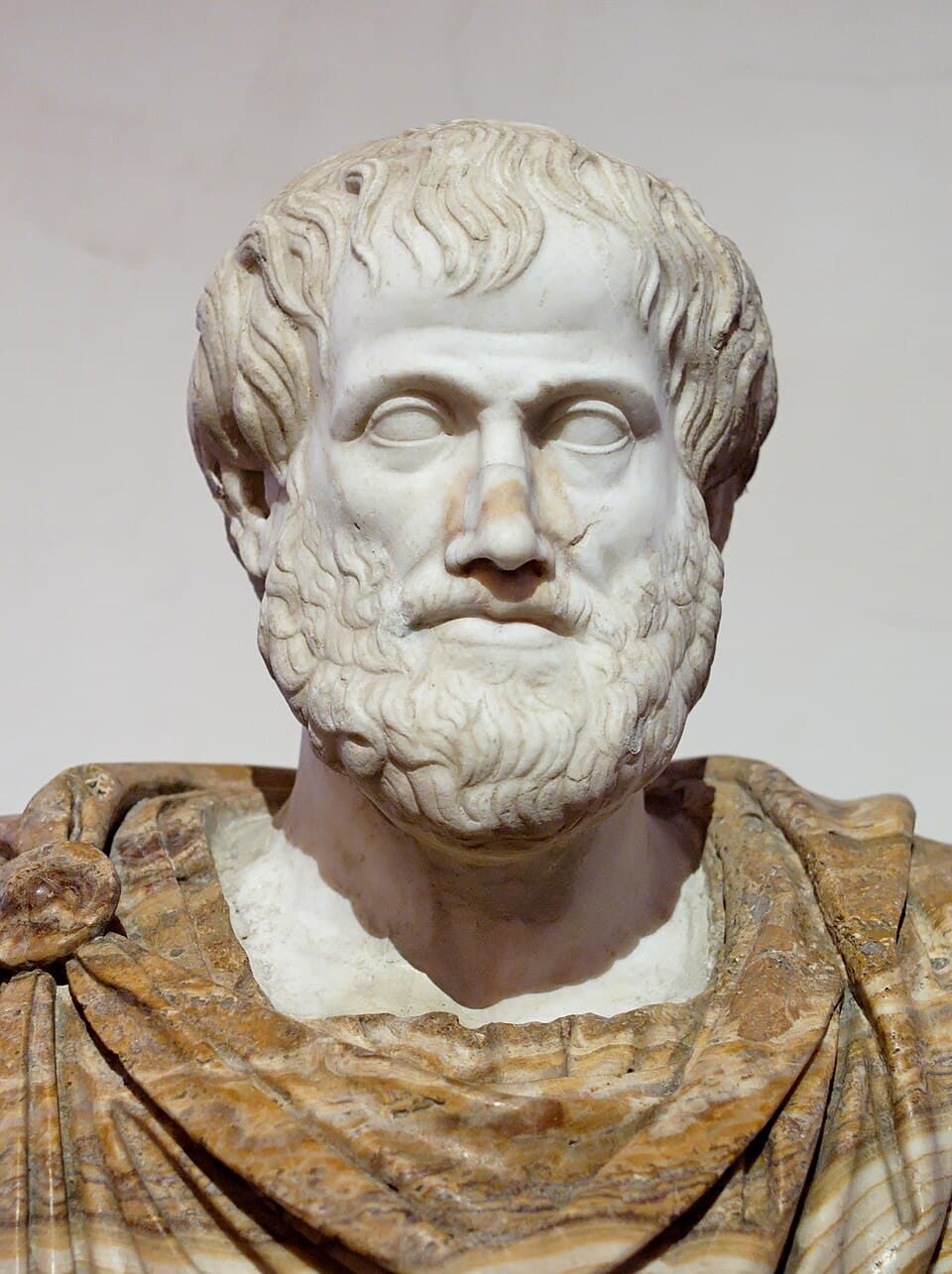
Aristotle
Nicomachean EthicsAristotle distinguishes between proper bravery and the fear of things that are rightfully shameful, arguing that true courage only applies to fears not rooted in one's own vice.
...will resume the particular discussion of the Moral Virtues, and say what they are, what is their object-matter, and how they stand respectively related to it: of course their number will be thereby shown. First, then, of Courage. Now that it is a mean state, in respect of fear and boldness, has been already said: further, the objects of our fears are obviously things fearful or, in a general way of statement, evils; which accounts for the common definition of fear, viz. “expectation of evil.”
Of course we fear evils of all kinds: disgrace, for instance, poverty, disease, desolateness, death; but not all these seem to be the object-matter of the Brave man, because there are things which to fear is right and noble, and not to fear is base; disgrace, for example, since he who fears this is a good man and has a sense of honour, and he who does not fear it is shameless (though there are those who call him Brave by analogy, because he somewhat resembles the Brave man who agrees with him in being free from fear); but poverty, perhaps, or disease, and in fact whatever does not proceed from viciousness, nor is attributable to his own…
Yet we do apply the term[16] in right of the similarity of the cases; for there are men who, though timid in the dangers of war, are liberal men and are stout enough to face loss of wealth. And, again, a man is not a coward for fearing insult to his wife or children, or envy, or any such thing; nor is he a Brave man for being bold when going to be scourged. What kind of fearful things then do constitute the object-matter of the Brave man? first of all, must they not be the greatest, since no...
Continue reading →
5