6 of 7 in Book IV, Chapter IV98 of 276 in work
The Bold Truth-Teller
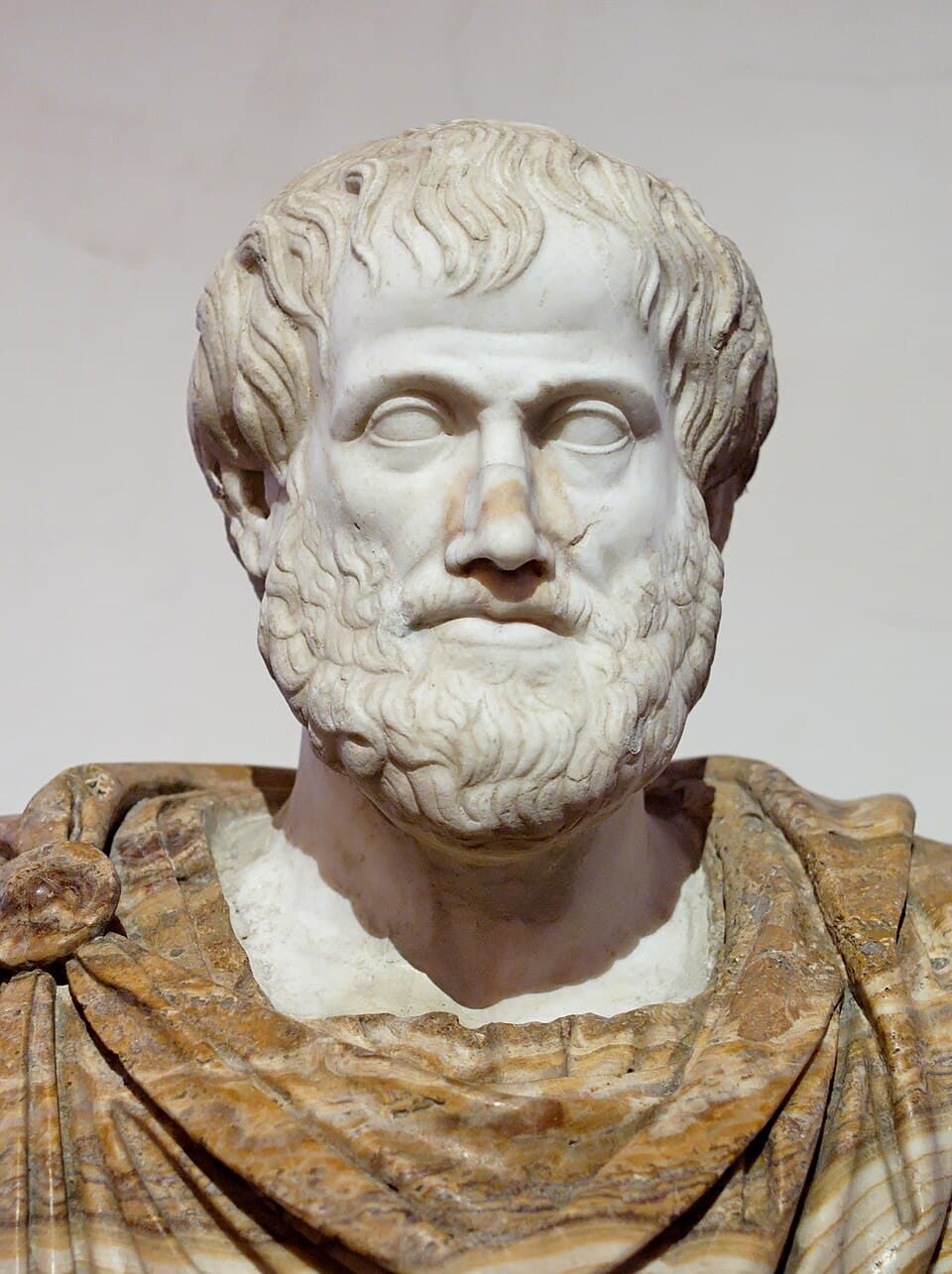
Aristotle
Nicomachean Ethics

The author paints a portrait of the high-minded man who values reality over appearance, speaks truth through contempt for fear, and refuses to live in a servile manner.

...former is difficult and so a grand thing, but to be above the latter is easy; and to be high and mighty towards the former is not ignoble, but to do it towards those of humble station would be low and vulgar; it would be like parading strength against the weak. And again, not to put himself in the way of honour, nor to go where others are the chief men; and to be remiss and dilatory, except in the case of some great honour or work; and to be concerned in few things, and those great and famous.
It is a property of him also to be open, both in his dislikes and his likings, because concealment is a consequent of fear. Likewise to be careful for reality rather than appearance, and talk and act openly (for his contempt for others makes him a bold man, for which same reason he is apt to speak the truth, except where the principle of reserve comes in), but to be reserved towards the generality of men. And to be unable to live with reference to any other but a friend; because doing so is servile, as may be seen in that all flatterers are low and men in low estate are flatterers.
Neither is his admiration easily excited, because nothing is great in his eyes; nor does he bear malice, since remembering anything, and specially wrongs, is no part of Great-mindedness, but rather overlooking them; nor does he talk of other men; in fact, he will not speak either of himself or of any other; he neither cares to be praised himself nor to have others blamed; nor again does he praise freely, and for this reason he is not apt to speak ill even of his enemies except to show contempt...
2
7 of 7 in Book IV, Chapter IV99 of 276 in work
The Great-Minded Silence
Aristotle
Nicomachean Ethics

A portrait of the 'Great-minded' man who remains detached from petty grievances, praise, and the common gossip of others.

...cealment is a consequent of fear. Likewise to be careful for reality rather than appearance, and talk and act openly (for his contempt for others makes him a bold man, for which same reason he is apt to speak the truth, except where the principle of reserve comes in), but to be reserved towards the generality of men. And to be unable to live with reference to any other but a friend; because doing so is servile, as may be seen in that all flatterers are low and men in low estate are flatterers.
Neither is his admiration easily excited, because nothing is great in his eyes; nor does he bear malice, since remembering anything, and specially wrongs, is no part of Great-mindedness, but rather overlooking them; nor does he talk of other men; in fact, he will not speak either of himself or of any other; he neither cares to be praised himself nor to have others blamed; nor again does he praise freely, and for this reason he is not apt to speak ill even of his enemies except to show contempt and insolence.
And he is by no means apt to make laments about things which cannot be helped, or requests about those which are trivial; because to be thus disposed with respect to these things is consequent only upon real anxiety about them. Again, he is the kind of man to acquire what is beautiful and unproductive rather than what is productive and profitable: this being rather the part of an independent man. Also slow motion, deep-toned voice, and deliberate style of speech, are thought to be characteris...
2
1 of 1 in Book IV, Chapter V100 of 276 in work
Now entering Book IV, Chapter V
Self-Ignorance's Cost
Aristotle
Nicomachean Ethics

The text examines the 'Small-minded man,' arguing that his self-ignorance and low self-estimate prevent him from pursuing the honorable actions he is actually worthy of.

...nded man: for he who is earnest about few things is not likely to be in a hurry, nor he who esteems nothing great to be very intent: and sharp tones and quickness are the result of these. Chapter V. This then is my idea of the Great-minded man; and he who is in the defect is a Small-minded man, he who is in the excess a Vain man. However, as we observed in respect of the last character we discussed, these extremes are not thought to be vicious exactly, but only mistaken, for they do no harm.
The Small-minded man, for instance, being really worthy of good deprives himself of his deserts, and seems to have somewhat faulty from not having a sufficiently high estimate of his own desert, in fact from self-ignorance: because, but for this, he would have grasped after what he really is entitled to, and that is good. Still such characters are not thought to be foolish, but rather laggards. But the having such an opinion of themselves seems to have a deteriorating effect on the character: because in all cases men’s aims are regulated by their supposed desert, and thus these men, under a notion of their own want of desert, stand aloof from…
But the Vain are foolish and self-ignorant, and that palpably: because they attempt honourable things, as though they were worthy, and then they are detected. They also set themselves off, by dress, and carriage, and such-like things, and desire that their good circumstances may be seen, and they talk of them under the notion of receiving honour thereby. Small-mindedness rather than Vanity is opposed to Great-mindedness, because it is more commonly met with and is worse. Chapter VI. Well, th...
Continue reading →
6
1 of 3 in Book IV, Chapter VII101 of 276 in work
Now entering Book IV, Chapter VII
The Measured Anger
Aristotle
Nicomachean Ethics

The text describes the 'Meek' man as one who governs his anger according to reason, striking a balance between passion and forgiveness.

...e extreme characters appear to be opposed, because the mean has no name appropriated to it. Chapter VII. Meekness is a mean state, having for its object-matter Anger: and as the character in the mean has no name, and we may almost say the same of the extremes, we give the name of Meekness (leaning rather to the defect, which has no name either) to the character in the mean. The excess may be called an over-aptness to Anger: for the passion is Anger, and the producing causes many and various.
Now he who is angry at what and with whom he ought, and further, in right manner and time, and for proper length of time, is praised, so this Man will be Meek since Meekness is praised. For the notion represented by the term Meek man is the being imperturbable, and not being led away by passion, but being angry in that manner, and at those things, and for that length of time, which Reason may direct. This character however is thought to err rather on the side of defect, inasmuch as he is not apt to take revenge but rather to make allowances and forgive.
And the defect, call it Angerlessness or what you will, is blamed: I mean, they who are not angry at things at which they ought to be angry are thought to be foolish, and they who are angry not in right manner, nor in right time, nor with those with whom they ought; for a man who labours under this defect is thought to have no perception, nor to be pained, and to have no tendency to avenge himself, inasmuch as he feels no anger: now to bear with scurrility in one’s own person, and patiently see...
2
2 of 3 in Book IV, Chapter VII102 of 276 in work
Repressed Anger's Burden
Aristotle
Nicomachean Ethics

An analysis of the 'Bitter-tempered' person, explaining how repressed anger becomes an internal burden that is only relieved through vengeance.

...with people with whom and at things at which they ought not, and in an excessive degree, but they soon cool again, which is the best point about them. And this results from their not repressing their anger, but repaying their enemies (in that they show their feeings by reason of their vehemence), and then they have done with it. The Choleric again are excessively vehement, and are angry at everything, and on every occasion; whence comes their Greek name signifying that their choler lies high.
The Bitter-tempered are hard to reconcile and keep their anger for a long while, because they repress the feeling: but when they have revenged themselves then comes a lull; for the vengeance destroys their anger by producing pleasure in lieu of pain. But if this does not happen they keep the weight on their minds: because, as it does not show itself, no one attempts to reason it away, and digesting anger within one’s self takes time. Such men are very great nuisances to themselves and to their best friends.
Again, we call those Cross-grained who are angry at wrong objects, and in excessive degree, and for too long a time, and who are not appeased without vengeance or at least punishing the offender. To Meekness we oppose the excess rather than the defect, because it is of more common occurrence: for human nature is more disposed to take than to forgo revenge. And the Cross-grained are worse to live with [than they who are too phlegmatic]. Now, from what has been here said, that is also plain wh...
6