6 of 7 in Book IV, Chapter I88 of 276 in work
The Balanced Exchange
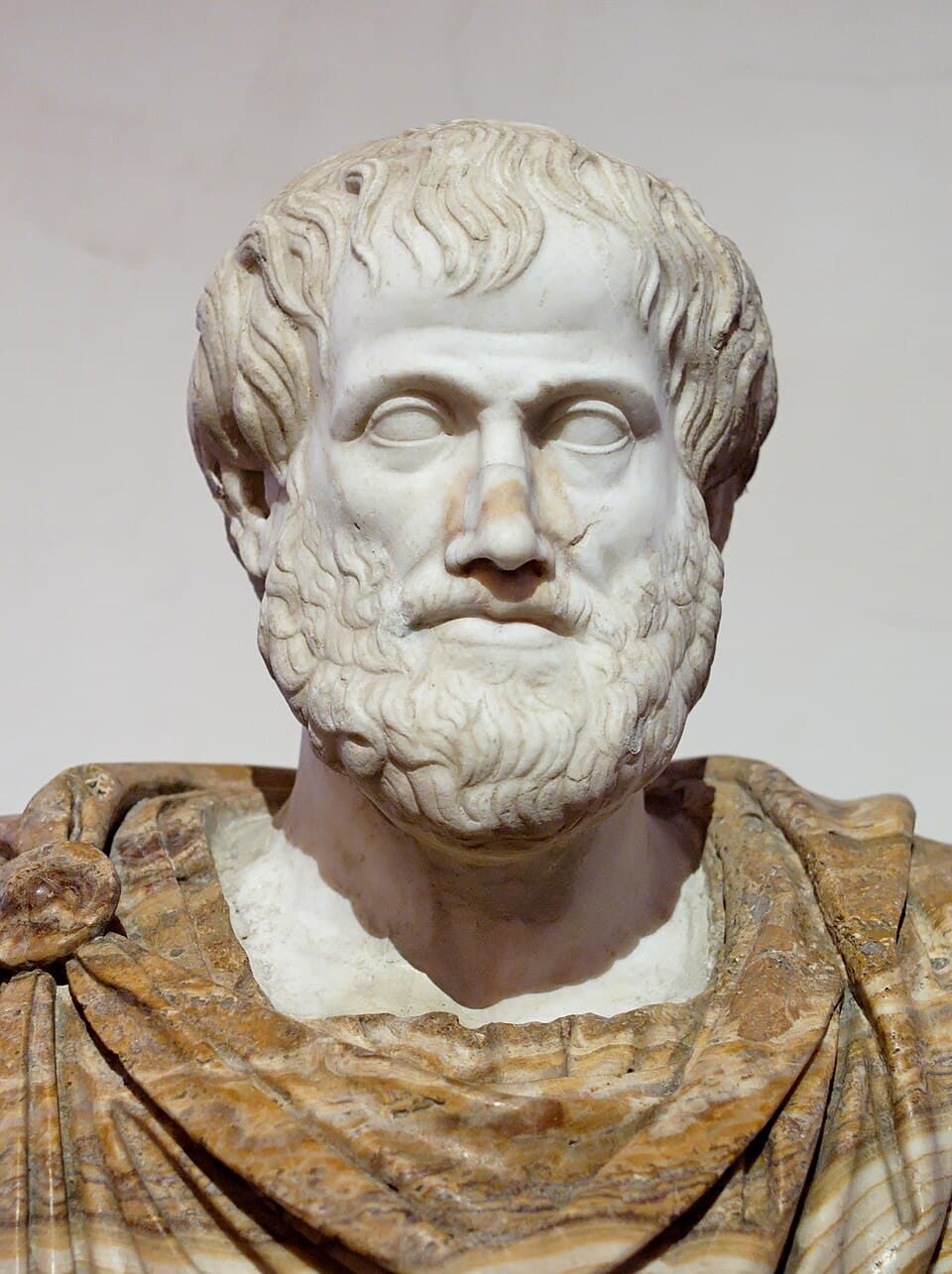
Aristotle
Nicomachean Ethics

The author describes the 'Liberal' man as one who gives and receives in the correct proportions and from the right sources with personal pleasure.

...pent upon such objects, would have nothing to spend on those on which he ought: for, as I have said before, he is Liberal who spends in proportion to his means, and on proper objects, while he who does so in excess is prodigal (this is the reason why we never call despots prodigal, because it does not seem to be easy for them by their gifts and expenditure to go beyond their immense possessions). To sum up then. Since Liberality is a mean state in respect of the giving and receiving of wealth,
The Liberal man will give and spend on proper objects, and in proper proportion, in great things and in small alike, and all this with pleasure to himself; also he will receive from right sources, and in right proportion: because, as the virtue is a mean state in respect of both, he will do both as he ought, and, in fact, upon proper giving follows the correspondent receiving, while that which is not such is contrary to it.
(Now those which follow one another come to co-exist in the same person, those which are contraries plainly do not.) Again, should it happen to him to spend money beyond what is needful, or otherwise than is well, he will be vexed, but only moderately and as he ought; for feeling pleasure and pain at right objects, and in right manner, is a property of Virtue. The Liberal man is also a good man to have for a partner in respect of wealth: for he can easily be wronged, since he values not wealt...
6
7 of 7 in Book IV, Chapter I89 of 276 in work
The Liberal Man's Balance
Aristotle
Nicomachean Ethics

The author describes the character of the liberal man, who manages wealth with a virtuous balance of pleasure and pain, valuing right action over the accumulation of money.

...objects, and in proper proportion, in great things and in small alike, and all this with pleasure to himself; also he will receive from right sources, and in right proportion: because, as the virtue is a mean state in respect of both, he will do both as he ought, and, in fact, upon proper giving follows the correspondent receiving, while that which is not such is contrary to it. (Now those which follow one another come to co-exist in the same person, those which are contraries plainly do not.)
Again, should it happen to him to spend money beyond what is needful, or otherwise than is well, he will be vexed, but only moderately and as he ought; for feeling pleasure and pain at right objects, and in right manner, is a property of Virtue. The Liberal man is also a good man to have for a partner in respect of wealth: for he can easily be wronged, since he values not wealth, and is more vexed at not spending where he ought to have done so than at spending where he ought not, and he relishes not the maxim of Simonides.
Chapter II. But the Prodigal man goes wrong also in these points, for he is neither pleased nor pained at proper objects or in proper manner, which will become more plain as we proceed. We have said already that Prodigality and Stinginess are respectively states of excess and defect, and this in two things, giving and receiving (expenditure of course we class under giving). Well now, Prodigality exceeds in giving and forbearing to receive and is deficient in receiving, while Stinginess is de...
5
1 of 1 in Book IV, Chapter II90 of 276 in work
Now entering Book IV, Chapter II
Stinginess's Many Phases
Aristotle
Nicomachean Ethics

The author observes that stinginess is a deep-seated human trait that is more common and harder to cure than its opposite, prodigality.

...or those who subserve their pleasures in any way, they will give much. And therefore most of them are utterly devoid of self-restraint; for as they are open-handed they are liberal in expenditure upon the unrestrained gratification of their passions, and turn off to their pleasures because they do not live with reference to what is honourable. Thus then the Prodigal, if unguided, slides into these faults; but if he could get care bestowed on him he might come to the mean and to what is right.
Stinginess, on the contrary, is incurable: old age, for instance, and incapacity of any kind, is thought to make people Stingy; and it is more congenial to human nature than Prodigality, the mass of men being fond of money rather than apt to give: moreover it extends far and has many phases, the modes of stinginess being thought to be many.
For as it consists of two things, defect of giving and excess of receiving, everybody does not have it entire, but it is sometimes divided, and one class of persons exceed in receiving, the other are deficient in giving. I mean those who are designated by such appellations as sparing, close-fisted, niggards, are all deficient in giving; but other men’s property they neither desire nor are willing to receive, in some instances from a real moderation and shrinking from what is base. There are so...
6
1 of 2 in Book IV, Chapter III91 of 276 in work
Now entering Book IV, Chapter III
Fitting Magnificence
Aristotle
Nicomachean Ethics

This passage describes the 'Magnificent man' as one who must spend largely and with good taste, ensuring that his expenditures are always proportionate to the honor of the work.

...as, for instance, “Oft to the wandering beggar did I give,” but for doing so in great matters: that is to say, the Magnificent man is liberal, but the liberal is not thereby Magnificent. The falling short of such a state is called Meanness, the exceeding it Vulgar Profusion, Want of Taste, and so on; which are faulty, not because they are on an excessive scale in respect of right objects but, because they show off in improper objects, and in improper manner: of these we will speak presently.
The Magnificent man is like a man of skill, because he can see what is fitting, and can spend largely in good taste; for, as we said at the commencement, the confirmed habit is determined by the separate acts of working, and by its object-matter. Well, the expenses of the Magnificent man are great and fitting: such also are his works (because this secures the expenditure being not great merely, but befitting the work). So then the work is to be proportionate to the expense, and this again to the work, or even above it: and the Magnificent man will incur such expenses from the motive of honour, this being common to all the virtues, and besides…
He will consider also how a thing may be done most beautifully and fittingly, rather, than for how much it may be done, and how at the least expense. So the Magnificent man must be also a liberal man, because the liberal man will also spend what he ought, and in right manner: but it is the Great, that is to say tke large scale, which is distinctive of the Magnificent man, the object-matter of liberality being the same, and without spending more money than another man he will make the work more...
Continue reading →
3
2 of 2 in Book IV, Chapter III92 of 276 in work
The Art of Magnificence
Aristotle
Nicomachean Ethics

The author outlines the rules for magnificence, advising that a person should spend appropriately on durable, honorable works that reflect their wealth and the specific occasion.

...xpenditures: because they are the greatest and most honourable: and of private ones such as come but once for all, marriage to wit, and things of that kind; and any occasion which engages the interest of the community in general, or of those who are in power; and what concerns receiving and despatching strangers; and gifts, and repaying gifts: because the Magnificent man is not apt to spend upon himself but on the public good, and gifts are pretty much in the same case as dedicatory offerings.
It is characteristic also of the Magnificent man to furnish his house suitably to his wealth, for this also in a way reflects credit; and again, to spend rather upon such works as are of long duration, these being most honourable. And again, propriety in each case, because the same things are not suitable to gods and men, nor in a temple and a tomb. And again, in the case of expenditures, each must be great of its kind, and great expense on a great object is most magnificent, that is in any case what is great in these particular things.
There is a difference too between greatness of a work and greatness of expenditure: for instance, a very beautiful ball or cup is magnificent as a present to a child, while the price of it is small and almost mean. Therefore it is characteristic of the Magnificent man to do magnificently whatever he is about: for whatever is of this kind cannot be easily surpassed, and bears a proper proportion to the expenditure. Such then is the Magnificent man. The man who is in the state of excess, calle...
3