1 of 1 in Book I, Chapter VII21 of 276 in work
Now entering Book I, Chapter VII
Happiness's Complete Life
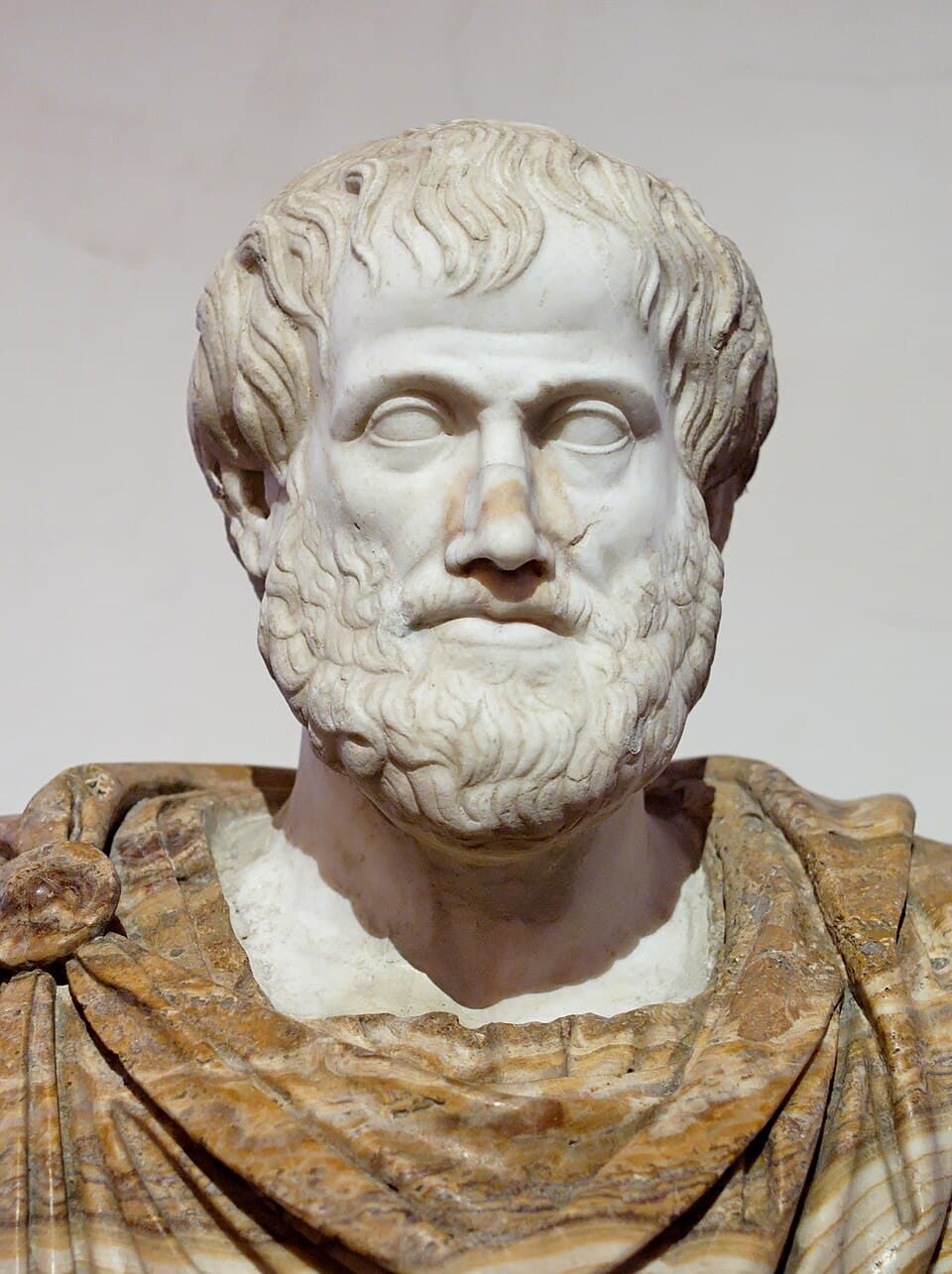
Aristotle
Nicomachean Ethics

The author defines happiness as requiring both complete virtue and a complete life, noting that extreme misfortune can negate a claim to happiness.

...umed the End of πολιτικὴ to be most excellent: now this bestows most care on making the members of the community of a certain character; good that is and apt to do what is honourable. With good reason then neither ox nor horse nor any other brute animal do we call happy, for none of them can partake in such working: and for this same reason a child is not happy either, because by reason of his tender age he cannot yet perform such actions: if the term is applied, it is by way of anticipation.
For to constitute Happiness, there must be, as we have said, complete virtue and a complete life: for many changes and chances of all kinds arise during a life, and he who is most prosperous may become involved in great misfortunes in his old age, as in the heroic poems the tale is told of Priam: but the man who has experienced such fortune and died in wretchedness, no man calls happy.
Chapter VIII. Are we then to call no man happy while he lives, and, as Solon would have us, look to the end? And again, if we are to maintain this position, is a man then happy when he is dead? or is not this a complete absurdity, specially in us who say Happiness is a working of a certain kind? If on the other hand we do not assert that the dead man is happy, and Solon does not mean this, but only that one would then be safe in pronouncing a man happy, as being thenceforward out of the reac...
6
1 of 5 in Book I, Chapter VIII22 of 276 in work
Now entering Book I, Chapter VIII
Virtue's Stability
Aristotle
Nicomachean Ethics

The author argues that happiness is determined by virtuous activity rather than fortune, as virtue provides a stability and permanence that external luck cannot offer.

...ling to pronounce the living happy by reason of their liability to changes, and because, whereas we have conceived of happiness as something stable and no way easily changeable, the fact is that good and bad fortune are constantly circling about the same people: for it is quite plain, that if we are to depend upon the fortunes of men, we shall often have to call the same man happy, and a little while after miserable, thus representing our happy man, “Chameleon-like, and based on rottenness.”
Is not this the solution? that to make our sentence dependent on the changes of fortune, is no way right: for not in them stands the well, or the ill, but though human life needs these as accessories (which we have allowed already), the workings in the way of virtue are what determine Happiness, and the contrary the contrary. And, by the way, the question which has been here discussed, testifies incidentally to the truth of our account of Happiness. For to nothing does a stability of human results attach so much as it does to the workings in the way of virtue, since these are held to be more abiding even than the sciences: and of these last…
So then this stability which is sought will be in the happy man, and he will be such through life, since always, or most of all, he will be doing and contemplating the things which are in the way of virtue: and the various chances of life he will bear most nobly, and at all times and in all ways harmoniously, since he is the truly good man, or in the terms of our proverb “a faultless cube.” And whereas the incidents of chance are many, and differ in greatness and smallness, the small pieces of...
Continue reading →
5
2 of 5 in Book I, Chapter VIII23 of 276 in work
Nobility in Misfortune
Aristotle
Nicomachean Ethics

The author reflects on how noble character shines through even great misfortune, suggesting that a high-spirited man maintains dignity despite the 'bruising' of his luck.

...lessed live in them most and most continuously, which seems to be the reason why they are not forgotten. So then this stability which is sought will be in the happy man, and he will be such through life, since always, or most of all, he will be doing and contemplating the things which are in the way of virtue: and the various chances of life he will bear most nobly, and at all times and in all ways harmoniously, since he is the truly good man, or in the terms of our proverb “a faultless cube.”
And whereas the incidents of chance are many, and differ in greatness and smallness, the small pieces of good or ill fortune evidently do not affect the balance of life, but the great and numerous, if happening for good, will make life more blessed (for it is their nature to contribute to ornament, and the using of them comes to be noble and excellent), but if for ill, they bruise as it were and maim the blessedness: for they bring in positive pain, and hinder many acts of working. But still, even in these, nobleness shines through when a man bears contentedly many and great mischances not from insensibility to pain but because he is noble and high-spirited.
And if, as we have said, the acts of working are what determine the character of the life, no one of the blessed can ever become wretched, because he will never do those things which are hateful and mean. For the man who is truly good and sensible bears all fortunes, we presume, becomingly, and always does what is noblest under the circumstances, just as a good general employs to the best advantage the force he has with him; or a good shoemaker makes the handsomest shoe he can out of the leath...
2
3 of 5 in Book I, Chapter VIII24 of 276 in work
Nobility Through Misfortune
Aristotle
Nicomachean Ethics

The author describes the noble person as one who maintains their character through all fortunes, likening them to a skilled artisan who creates the best possible result from whatever materials they are given.

...less cube.” And whereas the incidents of chance are many, and differ in greatness and smallness, the small pieces of good or ill fortune evidently do not affect the balance of life, but the great and numerous, if happening for good, will make life more blessed (for it is their nature to contribute to ornament, and the using of them comes to be noble and excellent), but if for ill, they bruise as it were and maim the blessedness: for they bring in positive pain, and hinder many acts of working.
But still, even in these, nobleness shines through when a man bears contentedly many and great mischances not from insensibility to pain but because he is noble and high-spirited. And if, as we have said, the acts of working are what determine the character of the life, no one of the blessed can ever become wretched, because he will never do those things which are hateful and mean. For the man who is truly good and sensible bears all fortunes, we presume, becomingly, and always does what is noblest under the circumstances, just as a good general employs to the best advantage the force he has with him; or a good shoemaker makes the handsomest…
And if this be so, wretched never can the happy man come to be: I do not mean to say he will be blessed should he fall into fortunes like those of Priam. Nor, in truth, is he shifting and easily changeable, for on the one hand from his happiness he will not be shaken easily nor by ordinary mischances, but, if at all, by those which are great and numerous; and, on the other, after such mischances he cannot regain his happiness in a little time; but, if at all, in a long and complete period, dur...
Continue reading →
2
4 of 5 in Book I, Chapter VIII25 of 276 in work
Nobility in Circumstances
Aristotle
Nicomachean Ethics

Using metaphors of a general and a shoemaker, the author illustrates how a truly good person remains resilient and noble regardless of the fortunes they are dealt.

...hey bruise as it were and maim the blessedness: for they bring in positive pain, and hinder many acts of working. But still, even in these, nobleness shines through when a man bears contentedly many and great mischances not from insensibility to pain but because he is noble and high-spirited. And if, as we have said, the acts of working are what determine the character of the life, no one of the blessed can ever become wretched, because he will never do those things which are hateful and mean.
For the man who is truly good and sensible bears all fortunes, we presume, becomingly, and always does what is noblest under the circumstances, just as a good general employs to the best advantage the force he has with him; or a good shoemaker makes the handsomest shoe he can out of the leather which has been given him; and all other good artisans likewise. And if this be so, wretched never can the happy man come to be: I do not mean to say he will be blessed should he fall into fortunes like those of Priam. Nor, in truth, is he shifting and easily changeable, for on the one hand from his happiness he will not be shaken easily nor by ordinary…
and, on the other, after such mischances he cannot regain his happiness in a little time; but, if at all, in a long and complete period, during which he has made himself master of great and noble things. Why then should we not call happy the man who works in the way of perfect virtue, and is furnished with external goods sufficient for acting his part in the drama of life:[35] and this during no ordinary period but such as constitutes a complete life as we have been describing it. Or we must...
Continue reading →
2