Aristotle distinguishes between mere kindly feelings and true friendship, emphasizing that the latter requires intimacy and the shared enjoyment of time.
2 of 2 in Book VIII, Chapter VI196 of 276 in work
Friendship's Shared Pleasure
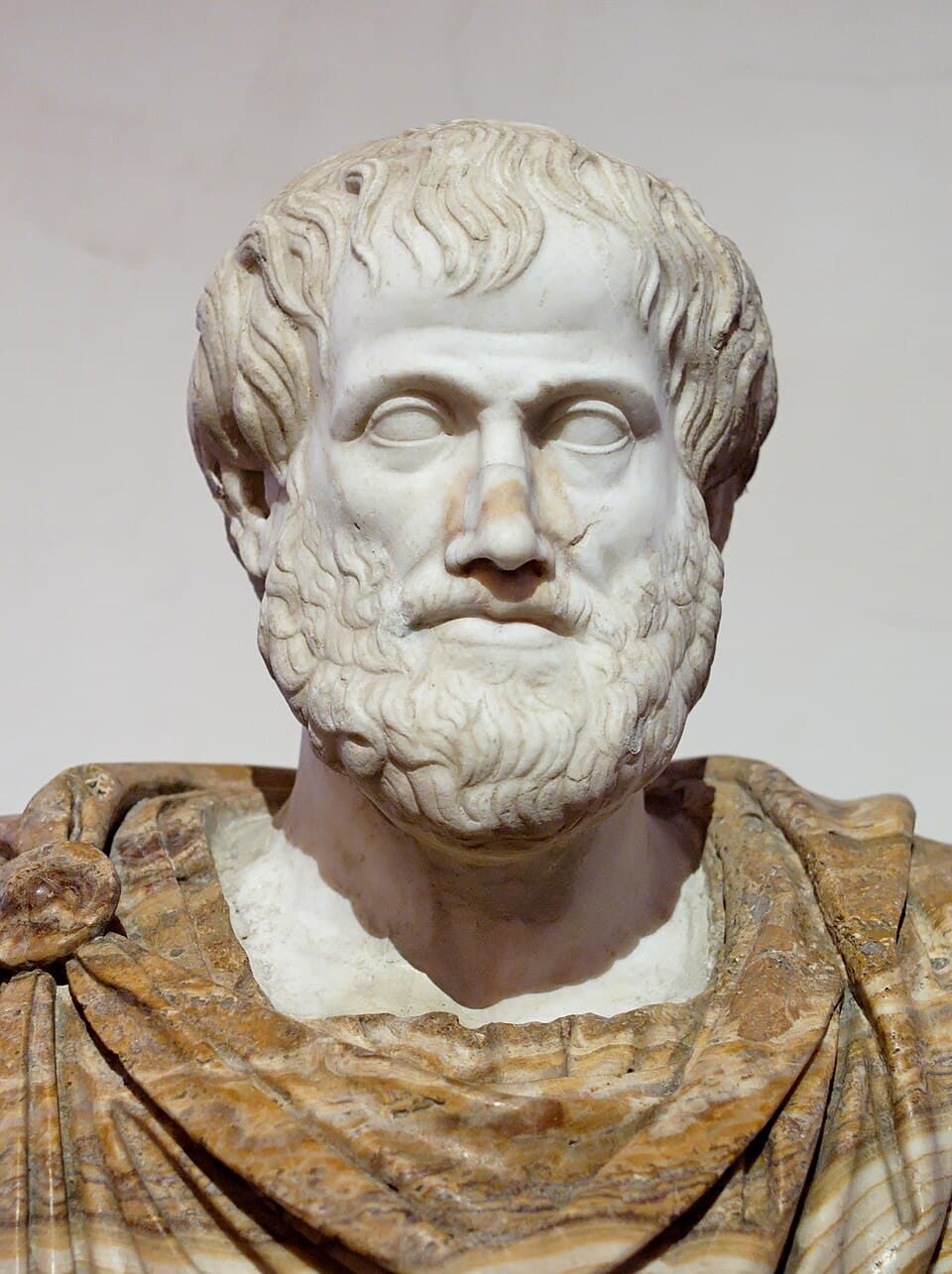
Aristotle
Nicomachean Ethics..., it is thought to cause a forgetfulness even of the Friendship: and hence it has been said, “many and many a Friendship doth want of intercourse destroy.” Accordingly, neither the old nor the morose appear to be calculated for Friendship, because the pleasurableness in them is small, and no one can spend his days in company with that which is positively painful or even not pleasurable; since to avoid the painful and aim at the pleasurable is one of the most obvious tendencies of human nature.
They who get on with one another very fairly, but are not in habits of intimacy, are rather like people having kindly feelings towards one another than friends; nothing being so characteristic of friends as the living with one another, because the necessitous desire assistance, and the happy companionship, they being the last persons in the world for solitary existence: but people cannot spend their time together unless they are mutually pleasurable and take pleasure in the same objects, a quality which is thought to appertain to the Friendship of companionship.
Chapter VII. The connection then subsisting between the good is Friendship par excellence, as has already been frequently said: since that which is abstractedly good or pleasant is thought to be an object of Friendship and choice-worthy, and to each individual whatever is such to him; and the good man to the good man for both these reasons. (Now the entertaining the sentiment is like a feeling, but Friendship itself like a state: because the former may have for its object even things inani...
2
1 of 3 in Book VIII, Chapter VII197 of 276 in work
Now entering Book VIII, Chapter VII
⚖Friendship as Moral State

Aristotle
Nicomachean EthicsThis passage distinguishes between the feeling of affection and the state of friendship, noting that true friendship involves a moral choice to love the good in another.
...nless they are mutually pleasurable and take pleasure in the same objects, a quality which is thought to appertain to the Friendship of companionship. Chapter VII. The connection then subsisting between the good is Friendship par excellence, as has already been frequently said: since that which is abstractedly good or pleasant is thought to be an object of Friendship and choice-worthy, and to each individual whatever is such to him; and the good man to the good man for both these reasons.
(Now the entertaining the sentiment is like a feeling, but Friendship itself like a state: because the former may have for its object even things inanimate, but requital of Friendship is attended with moral choice which proceeds from a moral state: and again, men wish good to the objects of their Friendship for their sakes, not in the way of a mere feeling but of moral state.) And the good, in loving their friend, love their own good (inasmuch as the good man, when brought into that relation, becomes a good to him with whom he is so connected), so that either party loves his own good, and repays his friend equally both in wishing well and in…
Well, these points belong most to the Friendship between good men. But between morose or elderly men Friendship is less apt to arise, because they are somewhat awkward-tempered, and take less pleasure in intercourse and society; these being thought to be specially friendly and productive of Friendship: and so young men become friends quickly, old men not so (because people do not become friends with any, unless they take pleasure in them); and in like manner neither do the morose. Yet men of t...
Continue reading →
2
2 of 3 in Book VIII, Chapter VII198 of 276 in work
⚖The One True Friend

Aristotle
Nicomachean EthicsAristotle argues that perfect friendship is an exclusive state that cannot be shared with many, though lower forms of friendship based on utility or pleasure can be.
...me friends quickly, old men not so (because people do not become friends with any, unless they take pleasure in them); and in like manner neither do the morose. Yet men of these classes entertain kindly feelings towards one another: they wish good to one another and render mutual assistance in respect of their needs, but they are not quite friends, because they neither spend their time together nor take pleasure in one another, which circumstances are thought specially to belong to Friendship.
To be a friend to many people, in the way of the perfect Friendship, is not possible; just as you cannot be in love with many at once: it is, so to speak, a state of excess which naturally has but one object; and besides, it is not an easy thing for one man to be very much pleased with many people at the same time, nor perhaps to find many really good. Again, a man needs experience, and to be in habits of close intimacy, which is very difficult. But it is possible to please many on the score of advantage and pleasure: because there are many men of the kind, and the services may be rendered in a very short time.
Of the two imperfect kinds that which most resembles the perfect is the Friendship based upon pleasure, in which the same results accrue from both and they take pleasure in one another or in the same objects; such as are the Friendships of the young, because a generous spirit is most found in these. The Friendship because of advantage is the connecting link of shopkeepers. Then again, the very happy have no need of persons who are profitable, but of pleasant ones they have because they wish t...
4
3 of 3 in Book VIII, Chapter VII199 of 276 in work
⚖The Need for Pleasant Friends

Aristotle
Nicomachean EthicsAristotle observes that even the happy require pleasant and good friends, as human nature cannot continuously endure pain or isolation, even in a state of high virtue.
...and pleasure: because there are many men of the kind, and the services may be rendered in a very short time. Of the two imperfect kinds that which most resembles the perfect is the Friendship based upon pleasure, in which the same results accrue from both and they take pleasure in one another or in the same objects; such as are the Friendships of the young, because a generous spirit is most found in these. The Friendship because of advantage is the connecting link of shopkeepers. Then again,
The very happy have no need of persons who are profitable, but of pleasant ones they have because they wish to have people to live intimately with; and what is painful they bear for a short time indeed, but continuously no one could support it, nay, not even the Chief Good itself, if it were painful to him individually: and so they look out for pleasant friends: perhaps they ought to require such to be good also; and good moreover to themselves individually, because then they will have all the proper requisites of Friendship.
Men in power are often seen to make use of several distinct friends: for some are useful to them and others pleasurable, but the two are not often united: because they do not, in fact, seek such as shall combine pleasantness and goodness, nor such as shall be useful for honourable purposes: but with a view to attain what is pleasant they look out for men of easy-pleasantry; and again, for men who are clever at executing any business put into their hands: and these qualifications are not common...
2
1 of 4 in Book VIII, Chapter VIII200 of 276 in work
Now entering Book VIII, Chapter VIII
⚖Friendship's Selfish Desire

Aristotle
Nicomachean EthicsThe author observes that most people prefer being loved over loving because they associate being the object of friendship with being honored.
...riends: for you may remove many points of agreement and the Friendship last nevertheless; but when one of the parties is very far separated (as a god from men), it cannot continue any longer. This has given room for a doubt, whether friends do really wish to their friends the very highest goods, as that they may be gods: because, in case the wish were accomplished, they would no longer have them for friends, nor in fact would they have the good things they had, because friends are good things.
If then it has been rightly said that a friend wishes to his friend good things for that friend’s sake, it must be understood that he is to remain such as he now is: that is to say, he will wish the greatest good to him of which as man he is capable: yet perhaps not all, because each man desires good for himself most of all. It is thought that desire for honour makes the mass of men wish rather to be the objects of the feeling of Friendship than to entertain it themselves (and for this reason they are fond of flatterers, a flatterer being a friend inferior or at least pretending to be such and rather to entertain towards another the feeling…
And yet men seem to choose honour, not for its own sake, but incidentally:[6] I mean, the common run of men delight to be honoured by those in power because of the hope it raises; that is they think they shall get from them anything they may happen to be in want of, so they delight in honour as an earnest of future benefit. They again who grasp at honour at the hands of the good and those who are really acquainted with their merits desire to confirm their own opinion about themselves: so they t...
Continue reading →
3