3 of 7 in Book IV, Chapter I85 of 276 in work
Giving's Superior Virtue
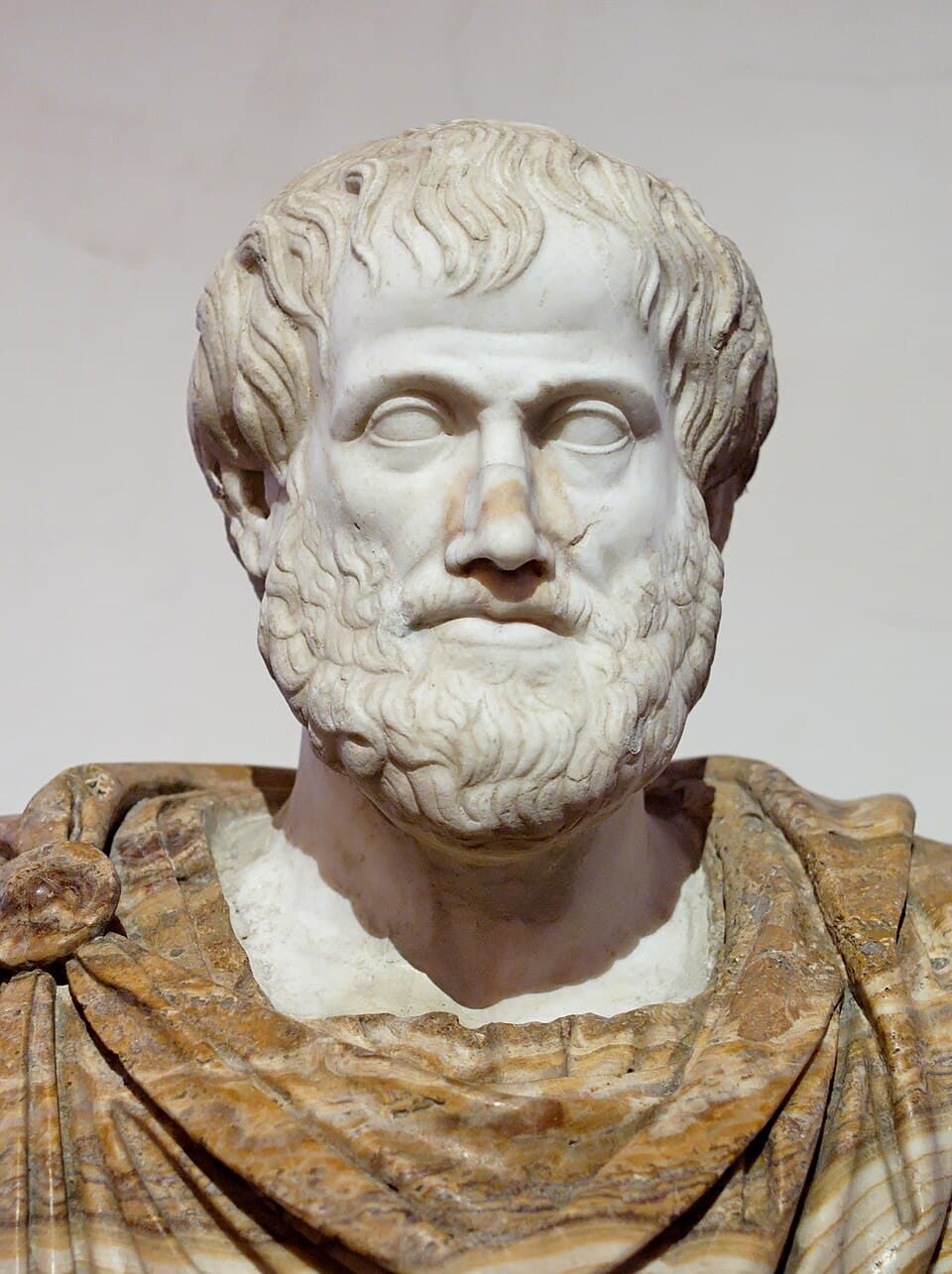
Aristotle
Nicomachean Ethics

Aristotle argues that virtue is more clearly demonstrated through active giving and honorable deeds than through the passive receipt of benefits.

...uses each particular thing best who has the virtue to whose province it belongs: so that he will use Wealth best who has the virtue respecting Wealth, that is to say, the Liberal man. Expenditure and giving are thought to be the using of money, but receiving and keeping one would rather call the possessing of it. And so the giving to proper persons is more characteristic of the Liberal man, than the receiving from proper quarters and forbearing to receive from the contrary. In fact generally,
Doing well by others is more characteristic of virtue than being done well by, and doing things positively honourable than forbearing to do things dishonourable; and any one may see that the doing well by others and doing things positively honourable attaches to the act of giving, but to that of receiving only the being done well by or forbearing to do what is dishonourable. Besides, thanks are given to him who gives, not to him who merely forbears to receive, and praise even more.
Again, forbearing to receive is easier than giving, the case of being too little freehanded with one’s own being commoner than taking that which is not one’s own. And again, it is they who give that are denominated Liberal, while they who forbear to receive are commended, not on the score of Liberality but of just dealing, while for receiving men are not, in fact, praised at all. And the Liberal are liked almost best of all virtuous characters, because they are profitable to others, and this...
6
4 of 7 in Book IV, Chapter I86 of 276 in work
Virtue's Pleasurable Action
Aristotle
Nicomachean Ethics

The text defines liberal giving as an act done for the sake of honor, performed with pleasure and directed toward the right people in the right proportions.

...ing, the case of being too little freehanded with one’s own being commoner than taking that which is not one’s own. And again, it is they who give that are denominated Liberal, while they who forbear to receive are commended, not on the score of Liberality but of just dealing, while for receiving men are not, in fact, praised at all. And the Liberal are liked almost best of all virtuous characters, because they are profitable to others, and this their profitableness consists in their giving.
Furthermore: all the actions done in accordance with virtue are honourable, and done from the motive of honour: and the Liberal man, therefore, will give from a motive of honour, and will give rightly; I mean, to proper persons, in right proportion, at right times, and whatever is included in the term “right giving:” and this too with positive pleasure, or at least without pain, since whatever is done in accordance with virtue is pleasant or at least not unpleasant, most certainly not attended with positive pain.
But the man who gives to improper people, or not from a motive of honour but from some other cause, shall be called not Liberal but something else. Neither shall he be so denominated who does it with pain: this being a sign that he would prefer his wealth to the honourable action, and this is no part of the Liberal man’s character; neither will such an one receive from improper sources, because the so receiving is not characteristic of one who values not wealth: nor again will he be apt to ask...
3
5 of 7 in Book IV, Chapter I87 of 276 in work
Liberality's Proportional Measure
Aristotle
Nicomachean Ethics

The author defines liberality as a moral state relative to one's means rather than the absolute quantity of a gift.

...sary, that he may have somewhat to give: neither will he be careless of his own, since it is his wish through these to help others in need: nor will he give to chance people, that he may have wherewith to give to those to whom he ought, at right times, and on occasions when it is honourable so to do. Again, it is a trait in the Liberal man’s character even to exceed very much in giving so as to leave too little for himself, it being characteristic of such an one not to have a thought of self.
Now Liberality is a term of relation to a man’s means, for the Liberal-ness depends not on the amount of what is given but on the moral state of the giver which gives in proportion to his means. There is then no reason why he should not be the more Liberal man who gives the less amount, if he has less to give out of.
Again, they are thought to be more Liberal who have inherited, not acquired for themselves, their means; because, in the first place, they have never experienced want, and next, all people love most their own works, just as parents do and poets. It is not easy for the Liberal man to be rich, since he is neither apt to receive nor to keep but to lavish, and values not wealth for its own sake but with a view to giving it away. Hence it is commonly charged upon fortune that they who most deserve...
6
6 of 7 in Book IV, Chapter I88 of 276 in work
The Balanced Exchange
Aristotle
Nicomachean Ethics

The author describes the 'Liberal' man as one who gives and receives in the correct proportions and from the right sources with personal pleasure.

...pent upon such objects, would have nothing to spend on those on which he ought: for, as I have said before, he is Liberal who spends in proportion to his means, and on proper objects, while he who does so in excess is prodigal (this is the reason why we never call despots prodigal, because it does not seem to be easy for them by their gifts and expenditure to go beyond their immense possessions). To sum up then. Since Liberality is a mean state in respect of the giving and receiving of wealth,
The Liberal man will give and spend on proper objects, and in proper proportion, in great things and in small alike, and all this with pleasure to himself; also he will receive from right sources, and in right proportion: because, as the virtue is a mean state in respect of both, he will do both as he ought, and, in fact, upon proper giving follows the correspondent receiving, while that which is not such is contrary to it.
(Now those which follow one another come to co-exist in the same person, those which are contraries plainly do not.) Again, should it happen to him to spend money beyond what is needful, or otherwise than is well, he will be vexed, but only moderately and as he ought; for feeling pleasure and pain at right objects, and in right manner, is a property of Virtue. The Liberal man is also a good man to have for a partner in respect of wealth: for he can easily be wronged, since he values not wealt...
6
7 of 7 in Book IV, Chapter I89 of 276 in work
The Liberal Man's Balance
Aristotle
Nicomachean Ethics

The author describes the character of the liberal man, who manages wealth with a virtuous balance of pleasure and pain, valuing right action over the accumulation of money.

...objects, and in proper proportion, in great things and in small alike, and all this with pleasure to himself; also he will receive from right sources, and in right proportion: because, as the virtue is a mean state in respect of both, he will do both as he ought, and, in fact, upon proper giving follows the correspondent receiving, while that which is not such is contrary to it. (Now those which follow one another come to co-exist in the same person, those which are contraries plainly do not.)
Again, should it happen to him to spend money beyond what is needful, or otherwise than is well, he will be vexed, but only moderately and as he ought; for feeling pleasure and pain at right objects, and in right manner, is a property of Virtue. The Liberal man is also a good man to have for a partner in respect of wealth: for he can easily be wronged, since he values not wealth, and is more vexed at not spending where he ought to have done so than at spending where he ought not, and he relishes not the maxim of Simonides.
Chapter II. But the Prodigal man goes wrong also in these points, for he is neither pleased nor pained at proper objects or in proper manner, which will become more plain as we proceed. We have said already that Prodigality and Stinginess are respectively states of excess and defect, and this in two things, giving and receiving (expenditure of course we class under giving). Well now, Prodigality exceeds in giving and forbearing to receive and is deficient in receiving, while Stinginess is de...
5