The author claims that true intimacy is limited by nature, arguing that one cannot maintain many deep friendships simultaneously because intense emotion requires a single object.
1 of 1 in Book IX, Chapter X245 of 276 in work
Now entering Book IX, Chapter X
Friendship's Natural Limit
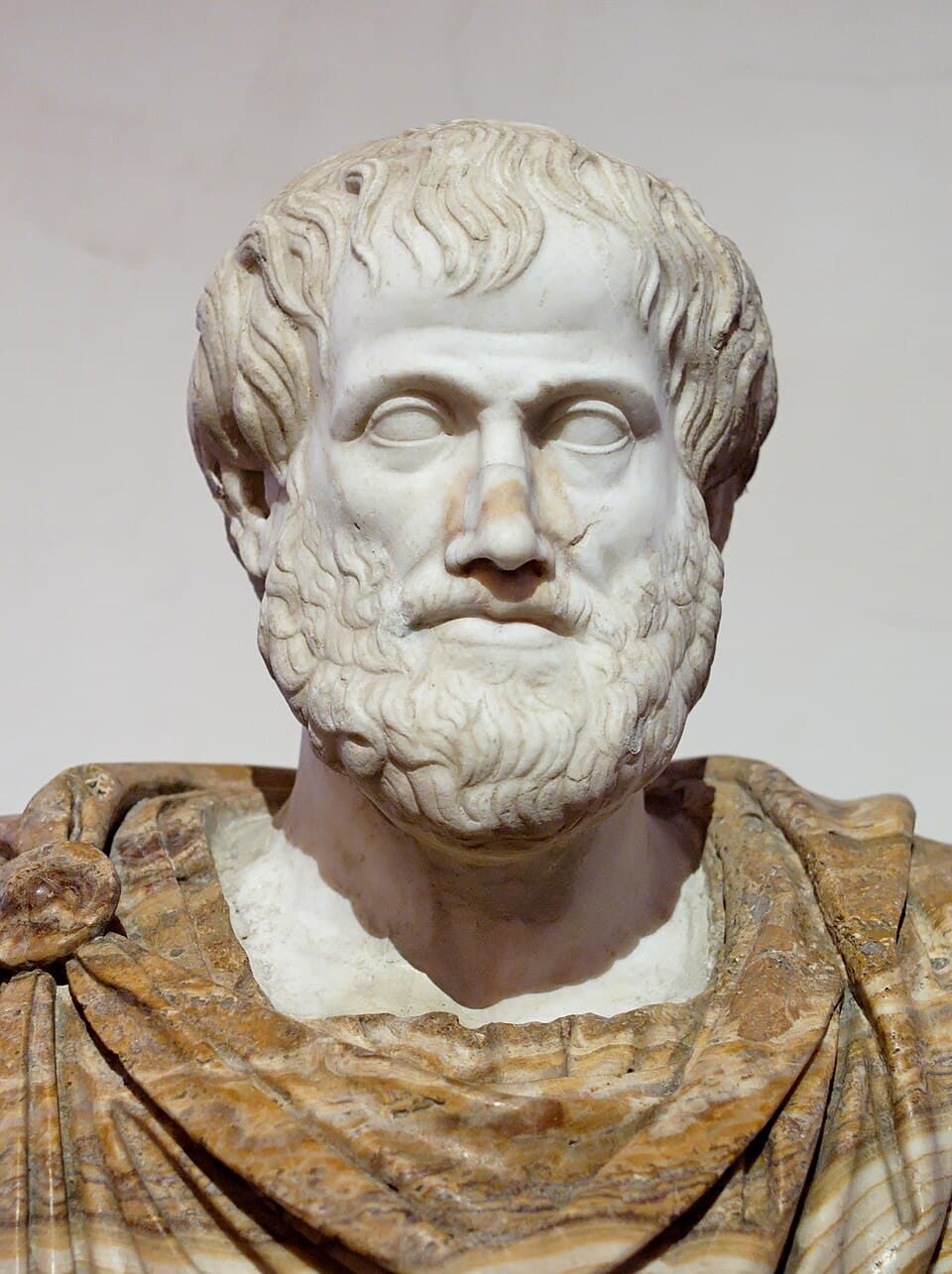
Aristotle
Nicomachean Ethics...it is not possible to be intimate with many, in other words, to part one’s self among many. And besides it must be remembered that they also are to be friends to one another if they are all to live together: but it is a matter of difficulty to find this in many men at once. It comes likewise to be difficult to bring home to one’s self the joys and sorrows of many: because in all probability one would have to sympathise at the same time with the joys of this one and the sorrows of that other.
Perhaps then it is well not to endeavour to have very many friends but so many as are enough for intimacy: because, in fact, it would seem not to be possible to be very much a friend to many at the same time: and, for the same reason, not to be in love with many objects at the same time: love being a kind of excessive Friendship which implies but one object: and all strong emotions must be limited in the number towards whom they are felt. And if we look to facts this seems to be so: for not many at a time become friends in the way of companionship, all the famous Friendships of the kind are between two persons: whereas they who have many…
To be sure, in the way merely of society, a man may be a friend to many without being necessarily over-complaisant, but being truly good: but one cannot be a friend to many because of their virtue, and for the persons’ own sake; in fact, it is a matter for contentment to find even a few such. Chapter XI. Again: are friends most needed in prosperity or in adversity? they are required, we know, in both states, because the unfortunate need help and the prosperous want people to live with and to...
Continue reading →
3
1 of 2 in Book IX, Chapter XI246 of 276 in work
Now entering Book IX, Chapter XI
⚖Friends in Adversity

Aristotle
Nicomachean EthicsAristotle observes the existential comfort provided by friends during adversity, noting the factual relief their sympathy brings to a sufferer's pain.
...osperity or in adversity? they are required, we know, in both states, because the unfortunate need help and the prosperous want people to live with and to do kindnesses to: for they have a desire to act kindly to some one. To have friends is more necessary in adversity, and therefore in this case useful ones are wanted; and to have them in prosperity is more honourable, and this is why the prosperous want good men for friends, it being preferable to confer benefits on, and to live with, these.
For the very presence of friends is pleasant even in adversity: since men when grieved are comforted by the sympathy of their friends. And from this, by the way, the question might be raised, whether it is that they do in a manner take part of the weight of calamities, or only that their presence, being pleasurable, and the consciousness of their sympathy, make the pain of the sufferer less. However, we will not further discuss whether these which have been suggested or some other causes produce the relief, at least the effect we speak of is a matter of plain fact.
But their presence has probably a mixed effect: I mean, not only is the very seeing friends pleasant, especially to one in misfortune, and actual help towards lessening the grief is afforded (the natural tendency of a friend, if he is gifted with tact, being to comfort by look and word, because he is well acquainted with the sufferer’s temper and disposition and therefore knows what things give him pleasure and pain), but also the perceiving a friend to be grieved at his misfortunes causes the...
2
2 of 2 in Book IX, Chapter XI247 of 276 in work
⚖Share Joy, Spare Sorrow

Aristotle
Nicomachean EthicsThe author provides social etiquette for friendship, advising that one should share good fortune readily but seek help in bad fortune only with great reluctance.
...pain which is thus caused to his friends: in short, he does not admit men to wail with him, not being given to wail at all: women, it is true, and men who resemble women, like to have others to groan with them, and love such as friends and sympathisers. But it is plain that it is our duty in all things to imitate the highest character. On the other hand, the advantages of friends in our prosperity are the pleasurable intercourse and the consciousness that they are pleased at our good fortune.
It would seem, therefore, that we ought to call in friends readily on occasion of good fortune, because it is noble to be ready to do good to others: but on occasion of bad fortune, we should do so with reluctance; for we should as little as possible make others share in our ills; on which principle goes the saying, “I am unfortunate, let that suffice.” The most proper occasion for calling them in is when with small trouble or annoyance to themselves they can be of very great use to the person who needs them. But, on the contrary, it is fitting perhaps to go to one’s friends in their misfortunes unasked and with alacrity (because kindness is…
and on occasion of their good fortune to go readily, if we can forward it in any way (because men need their friends for this likewise), but to be backward in sharing it, any great eagerness to receive advantage not being creditable. One should perhaps be cautious not to present the appearance of sullenness in declining the sympathy or help of friends, for this happens occasionally. It appears then that the presence of friends is, under all circumstances, choice-worthy. Chapter XII. May we...
Continue reading →
4
1 of 1 in Book IX, Chapter XII248 of 276 in work
Now entering Book IX, Chapter XII
⚖Friendship's Shared Pursuits

Aristotle
Nicomachean EthicsThe text explores how friendship is based on shared activities and values, concluding that the friendship of the good leads to mutual improvement while the friendship of the wicked leads to shared depravity.
...ed by lovers and they choose this sense rather than any of the others because Love “Is engendered in the eyes, With gazing fed,” in like manner intimacy is to friends most choice-worthy, Friendship being communion? Again, as a man is to himself so is he to his friend; now with respect to himself the perception of his own existence is choice-worthy, therefore is it also in respect of his friend. And besides, their Friendship is acted out in intimacy, and so with good reason they desire this.
And whatever in each man’s opinion constitutes existence, or whatsoever it is for the sake of which they choose life, herein they wish their friends to join with them; and so some men drink together, others gamble, others join in gymnastic exercises or hunting, others study philosophy together: in each case spending their days together in that which they like best of all things in life, for since they wish to be intimate with their friends they do and partake in those things whereby they think to attain this object. Therefore the Friendship of the wicked comes to be depraved; for, being unstable, they share in what is bad and become depraved…
whence says the Poet, “Thou from the good, good things shalt surely learn.” Here then we will terminate our discourse of Friendship. The next thing is to go into the subject of Pleasure. BOOK X Chapter I. Next, it would seem, follows a discussion respecting Pleasure, for it is thought to be most closely bound up with our kind: and so men train the young, guiding them on their course by the rudders of Pleasure and Pain. And to like and dislike what one ought is judged to be most import...
Continue reading →
2
1 of 1 in Book X, Chapter I249 of 276 in work
Now entering Book X, Chapter I
⚖Hypocrisy's Corrosive Effect

Aristotle
Nicomachean EthicsThe author argues that ethical theories must align with observed facts, as contradictions between a teacher's words and actions undermine the truth.
...hers who on the contrary maintain that it is exceedingly bad;[1] some perhaps from a real conviction that such is the case, others from a notion that it is better, in reference to our life and conduct, to show up Pleasure as bad, even if it is not so really; arguing that, as the mass of men have a bias towards it and are the slaves of their pleasures, it is right to draw them to the contrary, for that so they may possibly arrive at the mean.[2] I confess I suspect the soundness of this policy;
In matters respecting men’s feelings and actions theories are less convincing than facts: whenever, therefore, they are found conflicting with actual experience, they not only are despised but involve the truth in their fall: he, for instance, who deprecates Pleasure, if once seen to aim at it, gets the credit of backsliding to it as being universally such as he said it was, the mass of men being incapable of nice distinctions.
Real accounts, therefore, of such matters seem to be most expedient, not with a view to knowledge merely but to life and conduct: for they are believed as being in harm with facts, and so they prevail with the wise to live in accordance with them. But of such considerations enough: let us now proceed to the current maxims respecting Pleasure. Chapter II. Now Eudoxus thought Pleasure to be the Chief Good because he saw all, rational and irrational alike, aiming at it: and he argued that, sin...
6