1 of 2 in Book VII, Chapter VII170 of 276 in work
Now entering Book VII, Chapter VII
Forms of Self-Control
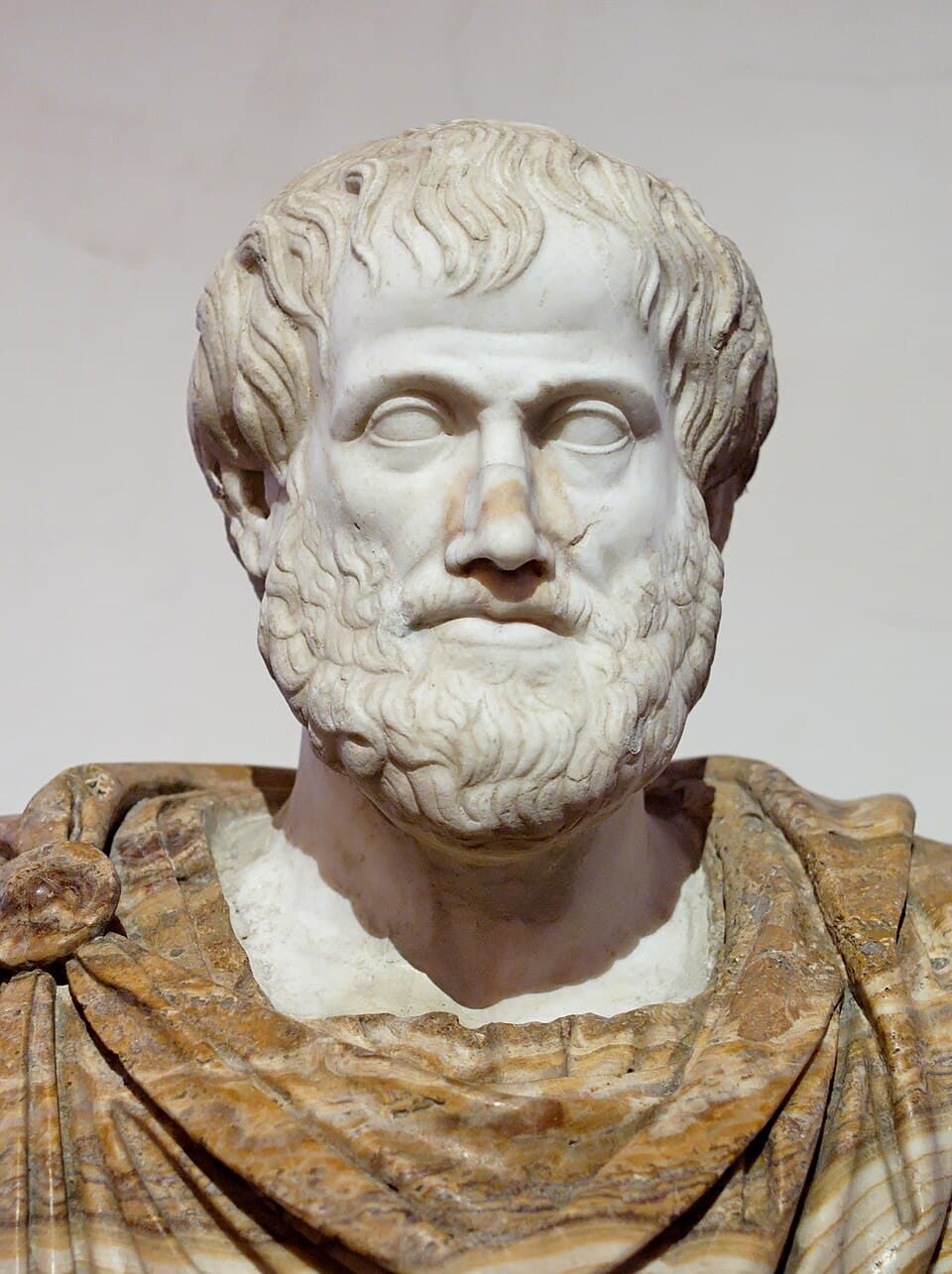
Aristotle
Nicomachean Ethics

Aristotle categorizes imperfect self-control into precipitancy and weakness, explaining how different psychological states lead individuals to succumb to passion despite their resolutions.

...which the common herd are able to resist; always supposing his failure not to be owing to natural constitution or disease, I mean, as the Scythian kings are constitutionally Soft, or the natural difference between the sexes. Again, the man who is a slave to amusement is commonly thought to be destitute of Self-Control, but he really is Soft; because amusement is an act of relaxing, being an act of resting, and the character in question is one of those who exceed due bounds in respect of this.
Moreover of Imperfect Self-Control there are two forms, Precipitancy and Weakness: those who have it in the latter form though they have made resolutions do not abide by them by reason of passion; the others are led by passion because they have never formed any resolutions at all: while there are some who, like those who by tickling themselves beforehand get rid of ticklishness, having felt and seen beforehand the approach of temptation, and roused up themselves and their resolution, yield not to passion; whether the temptation be somewhat pleasant or somewhat painful.
The Precipitate form of Imperfect Self-Control they are most liable to who are constitutionally of a sharp or melancholy temperament: because the one by reason of the swiftness, the other by reason of the violence, of their passions, do not wait for Reason, because they are disposed to follow whatever notion is impressed upon their minds. Again, the man utterly destitute of Self-Control, as was observed before, is not given to remorse: for it is part of his character that he abides by his mora...
5
2 of 2 in Book VII, Chapter VII171 of 276 in work
Virtue's Foundational Role
Aristotle
Nicomachean Ethics

The author claims that moral principles are not taught by reason but are grasped through excellence and habits of character.

...so they of Imperfect Self-Control are not unjust, but they do unjust acts. But to resume. Since the man of Imperfect Self-Control is of such a character as to follow bodily pleasures in excess and in defiance of Right Reason, without acting on any deliberate conviction, whereas the man utterly destitute of Self-Control does act upon a conviction which rests on his natural inclination to follow after these pleasures; the former may be easily persuaded to a different course, but the latter not:
For Virtue and Vice respectively preserve and corrupt the moral principle; now the motive is the principle or starting point in moral actions, just as axioms and postulates are in mathematics: and neither in morals nor mathematics is it Reason which is apt to teach the principle; but Excellence, either natural or acquired by custom, in holding right notions with respect to the principle.
He who does this in morals is the man of Perfected Self-Mastery, and the contrary character is the man utterly destitute of Self-Control. Again, there is a character liable to be taken off his feet in defiance of Right Reason because of passion; whom passion so far masters as to prevent his acting in accordance with Right Reason, but not so far as to make him be convinced that it is his proper line to follow after such pleasures without limit: this character is the man of Imperfect Self- Contr...
6
1 of 1 in Book VII, Chapter VIII172 of 276 in work
Now entering Book VII, Chapter VIII
Self-Control's Fixed Core
Aristotle
Nicomachean Ethics

The text distinguishes between the self-controlled man and the 'positive' or opinionated man, noting that the latter is driven by the pleasure of victory rather than reason.

...wo characters respectively abide or not, but he is “simply” entitled to the designations who abides or not by the true opinion. There are also people, who have a trick of abiding by their, own opinions, who are commonly called Positive, as they who are hard to be persuaded, and whose convictions are not easily changed: now these people bear some resemblance to the character of Self-Control, just as the prodigal to the liberal or the rash man to the brave, but they are different in many points.
The man of Self-Control does not change by reason of passion and lust, yet when occasion so requires he will be easy of persuasion: but the Positive man changes not at the call of Reason, though many of this class take up certain desires and are led by their pleasures. Among the class of Positive are the Opinionated, the Ignorant, and the Bearish: the first, from the motives of pleasure and pain: I mean, they have the pleasurable feeling of a kind of victory in not having their convictions changed, and they are pained when their decrees, so to speak, are reversed: so that, in fact, they rather resemble the man of Imperfect Self-Control than the man of Self-Control.
Again, there are some who depart from their resolutions not by reason of any Imperfection of Self-Control; take, for instance, Neoptolemus in the Philoctetes of Sophocles. Here certainly pleasure was the motive of his departure from his resolution, but then it was one of a noble sort: for to be truthful was noble in his eyes and he had been persuaded by Ulysses to lie. So it is not every one who acts from the motive of pleasure who is utterly destitute of Self-Control or base or of Imperfect...
5
1 of 14 in Book VII, Chapter IX173 of 276 in work
Now entering Book VII, Chapter IX
Desire's Rational Alignment
Aristotle
Nicomachean Ethics

The author defines the differences between self-control, self-mastery, and their opposites based on the presence of bad desires and the role of reason in governing them.

...Control is good both the contrary States must be bad, as indeed they plainly are: but because the one of them is seen in few persons, and but rarely in them, Self-Control comes to be viewed as if opposed only to the Imperfection of it, just as Perfected Self-Mastery is thought to be opposed only to utter want of Self-Control. Again, as many terms are used in the way of similitude, so people have come to talk of the Self-Control of the man of Perfected Self-Mastery in the way of similitude: for
The man of Self-Control and the man of Perfected Self-Mastery have this in common, that they do nothing against Right Reason on the impulse of bodily pleasures, but then the former has bad desires, the latter not; and the latter is so constituted as not even to feel pleasure contrary to his Reason, the former feels but does not yield to it. Like again are the man of Imperfect Self-Control and he who is utterly destitute of it, though in reality distinct: both follow bodily pleasures, but the latter under a notion that it is the proper line for him to take, his former without any such notion.
And it is not possible for the same man to be at once a man of Practical Wisdom and of Imperfect Self-Control: because the character of Practical Wisdom includes, as we showed before, goodness of moral character. And again, it is not knowledge merely, but aptitude for action, which constitutes Practical Wisdom: and of this aptitude the man of Imperfect Self-Control is destitute. But there is no reason why the Clever man should not be of Imperfect Self-Control: and the reason why some men are o...
3
2 of 14 in Book VII, Chapter IX174 of 276 in work
Wisdom's Moral Core
Aristotle
Nicomachean Ethics

The author distinguishes between cleverness and practical wisdom, noting that while both require intellectual skill, only the latter is inseparable from moral virtue.

...ng against Right Reason on the impulse of bodily pleasures, but then the former has bad desires, the latter not; and the latter is so constituted as not even to feel pleasure contrary to his Reason, the former feels but does not yield to it. Like again are the man of Imperfect Self-Control and he who is utterly destitute of it, though in reality distinct: both follow bodily pleasures, but the latter under a notion that it is the proper line for him to take, his former without any such notion.
And it is not possible for the same man to be at once a man of Practical Wisdom and of Imperfect Self-Control: because the character of Practical Wisdom includes, as we showed before, goodness of moral character. And again, it is not knowledge merely, but aptitude for action, which constitutes Practical Wisdom: and of this aptitude the man of Imperfect Self-Control is destitute. But there is no reason why the Clever man should not be of Imperfect Self-Control: and the reason why some men are occasionally thought to be men of Practical Wisdom, and yet of Imperfect Self-Control, is this, that Cleverness differs from Practical Wisdom in the way…
Nor is the man of Imperfect Self-Control like the man who both has and calls into exercise his knowledge, but like the man who, having it, is overpowered by sleep or wine. Again, he acts voluntarily (because he knows, in a certain sense, what he does and the result of it), but he is not a confirmed bad man, for his moral choice is good, so he is at all events only half bad. Nor is he unjust, because he does not act with deliberate intent: for of the two chief forms of the character, the one is...
Continue reading →
2