Remorse Defines Involuntary
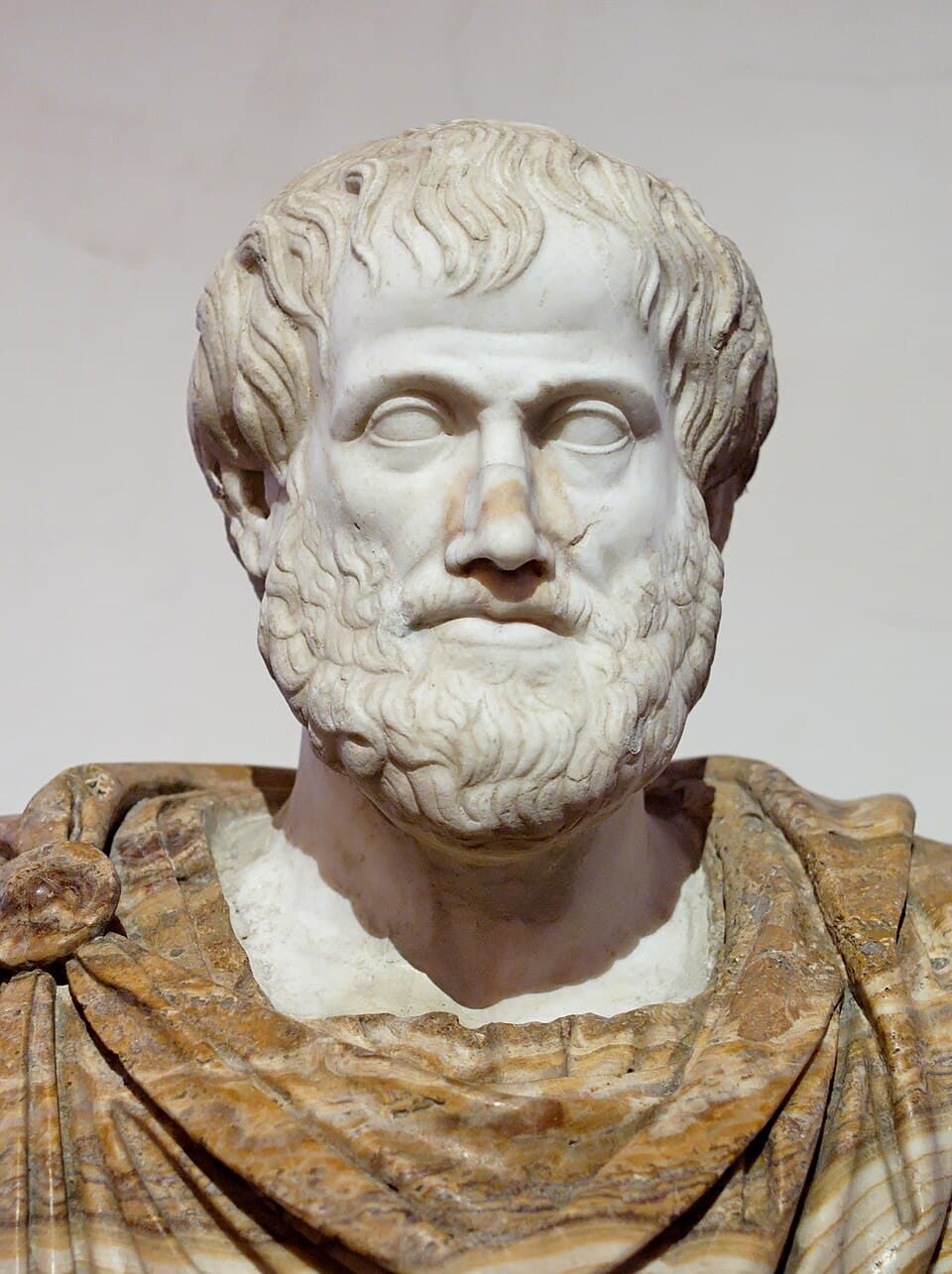
Aristotle
Nicomachean EthicsThe author defines 'involuntary' actions specifically as those caused by ignorance that result in subsequent pain and remorse.
..., they who act on compulsion and against their will do so with pain; but they who act by reason of what is pleasant or honourable act with pleasure. It is truly absurd for a man to attribute his actions to external things instead of to his own capacity for being easily caught by them;[1] or, again, to ascribe the honourable to himself, and the base ones to pleasure. So then that seems to be compulsory “whose origination is from without, the party compelled contributing nothing.” Chapter II.
Now every action of which ignorance is the cause is not-voluntary, but that only is involuntary which is attended with pain and remorse; for clearly the man who has done anything by reason of ignorance, but is not annoyed at his own action, cannot be said to have done it with his will because he did not know he was doing it, nor again against his will because he is not sorry for it.
So then of the class “acting by reason of ignorance,” he who feels regret afterwards is thought to be an involuntary agent, and him that has no such feeling, since he certainly is different from the other, we will call a not-voluntary agent; for as there is a real difference it is better to have a proper name. Again, there seems to be a difference between acting because of ignorance and acting with ignorance: for instance, we do not usually assign ignorance as the cause of the actions of...
6