Ignorance of Details
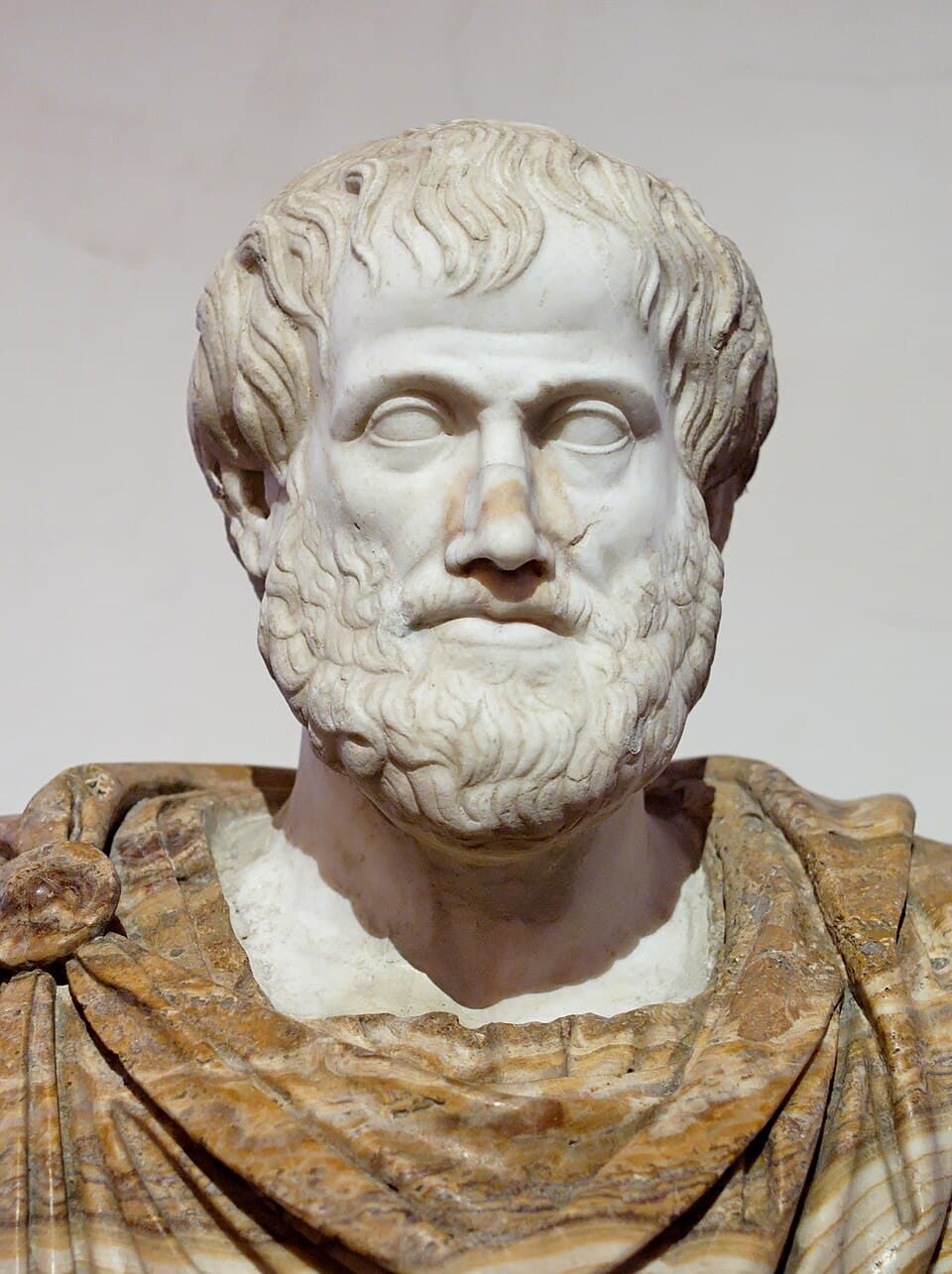
Aristotle
Nicomachean EthicsThe author distinguishes between ignorance of general principles, which is blameworthy, and ignorance of specific details, which renders an act involuntary.
...s a real difference it is better to have a proper name. Again, there seems to be a difference between acting because of ignorance and acting with ignorance: for instance, we do not usually assign ignorance as the cause of the actions of the drunken or angry man, but either the drunkenness or the anger, yet they act not knowingly but with ignorance. Again, every bad man is ignorant what he ought to do and what to leave undone, and by reason of such error men become unjust and wholly evil.
Again, we do not usually apply the term involuntary when a man is ignorant of his own true interest; because ignorance which affects moral choice constitutes depravity but not involuntariness: nor does any ignorance of principle (because for this men are blamed) but ignorance in particular details, wherein consists the action and wherewith it is concerned, for in these there is both compassion and allowance, because he who acts in ignorance of any of them acts in a proper sense involuntarily.
It may be as well, therefore, to define these particular details; what they are, and how many; viz. who acts, what he is doing, with respect to what or in what, sometimes with what, as with what instrument, and with what result;[4] as that of preservation, for instance, and how, as whether softly or violently. All these particulars, in one and the same case, no man in his senses could be ignorant of; plainly not of the agent, being himself. But what he is doing a man may be ignorant, as men i...
6