2 of 2 in Book III, Chapter XII76 of 276 in work
The Brave Man's Pain
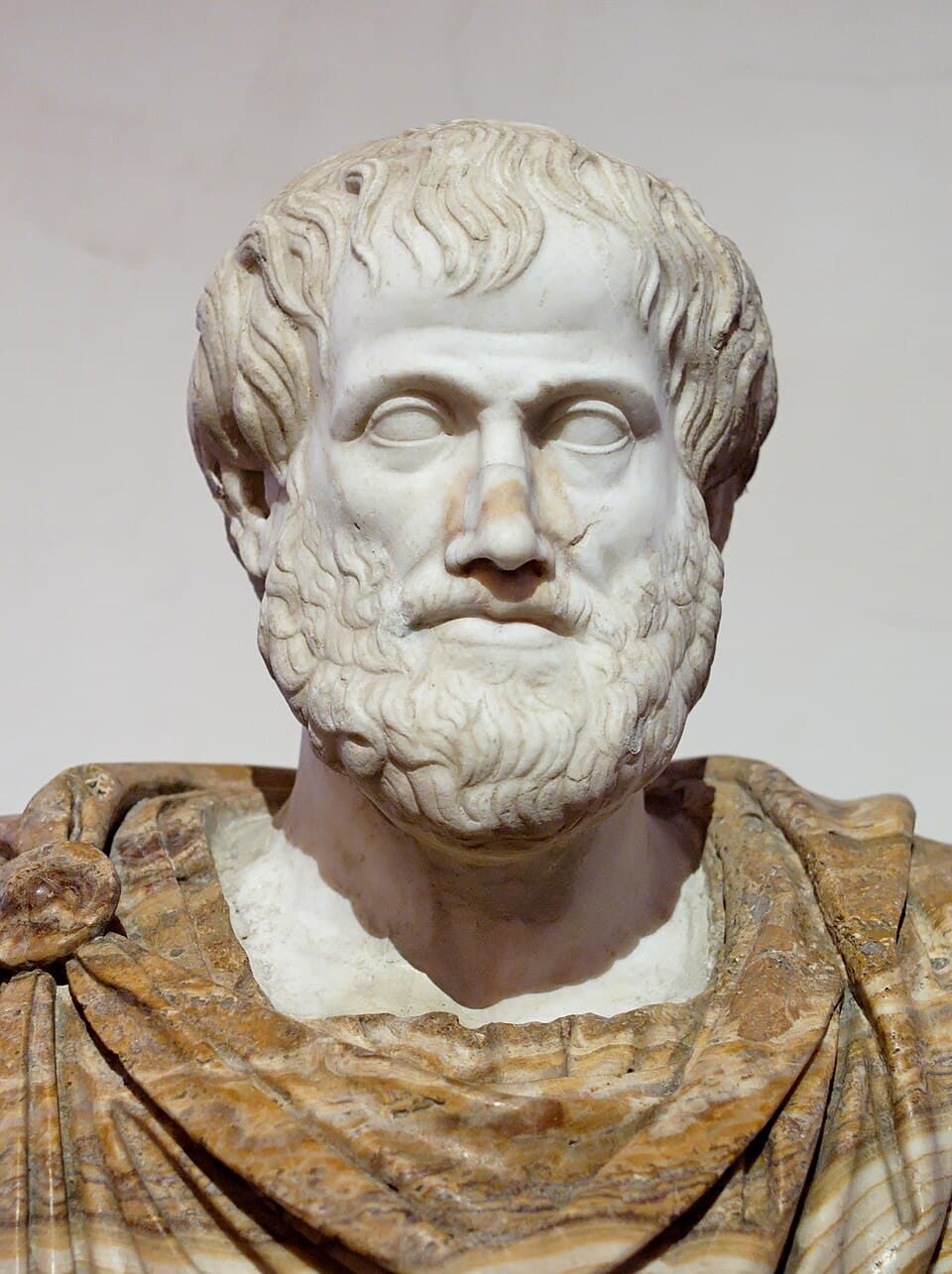
Aristotle
Nicomachean Ethics

An existential observation that the virtuous man finds death most painful because he truly values his life, yet he chooses courage regardless.

...they act, I mean the crown and the honours; but the receiving the blows they do is painful and annoying to flesh and blood, and so is all the labour they have to undergo; and, as these drawbacks are many, the object in view being small appears to have no pleasantness in it. If then we may say the same of Courage, of course death and wounds must be painful to the Brave man and against his will: still he endures these because it is honourable so to do or because it is dishonourable not to do so.
And the more complete his virtue and his happiness so much the more will he be pained at the notion of death: since to such a man as he is it is best worth while to live, and he with full consciousness is deprived of the greatest goods by death, and this is a painful idea. But he is not the less Brave for feeling it to be so, nay rather it may be he is shown to be more so because he chooses the honour that may be reaped in war in preference to retaining safe possession of these other goods.
The fact is that to act with pleasure does not belong to all the virtues, except so far as a man realises the End of his actions. But there is perhaps no reason why not such men should make the best soldiers, but those who are less truly Brave but have no other good to care for: these being ready to meet danger and bartering their lives against small gain. Let thus much be accepted as sufficient on the subject of Courage; the true nature of which it is not difficult to gather, in outline at l...
2
1 of 4 in Book III, Chapter XIII77 of 276 in work
Now entering Book III, Chapter XIII
Brutish Pleasure
Aristotle
Nicomachean Ethics

The text criticizes the lack of self-control in physical pleasures, arguing that such indulgences are 'brutish' because they belong to our animal nature rather than our humanity.

...the quality of wines or seasoning “made dishes.” But men scarcely take pleasure at all in these things, at least those whom we call destitute of self-control do not, but only in the actual enjoyment which arises entirely from the sense of Touch, whether in eating or in drinking, or in grosser lusts. This accounts for the wish said to have been expressed once by a great glutton, “that his throat had been formed longer than a crane’s neck,” implying that his pleasure was derived from the Touch.
The sense then with which is connected the habit of absence of self-control is the most common of all the senses, and this habit would seem to be justly a matter of reproach, since it attaches to us not in so far as we are men but in so far as we are animals. Indeed it is brutish to take pleasure in such things and to like them best of all; for the most respectable of the pleasures arising from the touch have been set aside; those, for instance, which occur in the course of gymnastic training from the rubbing and the warm bath: because the touch of the man destitute of self-control is not indifferently of any part of the body but only of…
Now of lusts or desires some are thought to be universal, others peculiar and acquired; thus desire for food is natural since every one who really needs desires also food, whether solid or liquid, or both (and, as Homer says, the man in the prime of youth needs and desires intercourse with the other sex); but when we come to this or that particular kind, then neither is the desire universal nor in all men is it directed to the same objects. And therefore the conceiving of such desires plainly...
Continue reading →
4
2 of 4 in Book III, Chapter XIII78 of 276 in work
Pleasure's Pain
Aristotle
Nicomachean Ethics

The author observes the paradoxical and painful state of the person lacking self-control, who suffers even while desiring pleasure.

...habits on the side of pains, we find that a man is not said to have the virtue for withstanding them (as in the case of Courage), nor the vice for not withstanding them; but the man destitute of self-control is such, because he is pained more than he ought to be at not obtaining things which are pleasant (and thus his pleasure produces pain to him), and the man of Perfected Self-Mastery is such in virtue of not being pained by their absence, that is, by having to abstain from what is pleasant.
Now the man destitute of self-control desires either all pleasant things indiscriminately or those which are specially pleasant, and he is impelled by his desire to choose these things in preference to all others; and this involves pain, not only when he misses the attainment of his objects but, in the very desiring them, since all desire is accompanied by pain. Surely it is a strange case this, being pained by reason of pleasure.
As for men who are defective on the side of pleasure, who take less pleasure in things than they ought, they are almost imaginary characters, because such absence of sensual perception is not natural to man: for even the other animals distinguish between different kinds of food, and like some kinds and dislike others. In fact, could a man be found who takes no pleasure in anything and to whom all things are alike, he would be far from being human at all: there is no name for such a character b...
2
3 of 4 in Book III, Chapter XIII79 of 276 in work
The Virtuous Mean
Aristotle
Nicomachean Ethics

The author argues that a total lack of desire is inhuman and imaginary, while the virtuous man finds the mean by regulating his desires for health and propriety.

...isses the attainment of his objects but, in the very desiring them, since all desire is accompanied by pain. Surely it is a strange case this, being pained by reason of pleasure. As for men who are defective on the side of pleasure, who take less pleasure in things than they ought, they are almost imaginary characters, because such absence of sensual perception is not natural to man: for even the other animals distinguish between different kinds of food, and like some kinds and dislike others.
In fact, could a man be found who takes no pleasure in anything and to whom all things are alike, he would be far from being human at all: there is no name for such a character because it is simply imaginary. But the man of Perfected Self-Mastery is in the mean with respect to these objects: that is to say, he neither takes pleasure in the things which delight the vicious man, and in fact rather dislikes them, nor at all in improper objects; nor to any great degree in any object of the class; nor is he pained at their absence; nor does he desire them; or, if he does, only in moderation, and neither more than he ought, nor at improper times,…
because he that should grasp at such would be liking such pleasures more than is proper; but the man of Perfected Self-Mastery is not of this character, but regulates his desires by the dictates of right reason. Chapter XIV. Now the vice of being destitute of all Self-Control seems to be more truly voluntary than Cowardice, because pleasure is the cause of the former and pain of the latter, and pleasure is an object of choice, pain of avoidance. And again, pain deranges and spoils the natural...
Continue reading →
5
4 of 4 in Book III, Chapter XIII80 of 276 in work
Moderate Desires
Aristotle
Nicomachean Ethics

The author describes the ideal behavior of a self-mastered person, who regulates desires according to right reason and avoids improper pleasures.

...n the side of pleasure, who take less pleasure in things than they ought, they are almost imaginary characters, because such absence of sensual perception is not natural to man: for even the other animals distinguish between different kinds of food, and like some kinds and dislike others. In fact, could a man be found who takes no pleasure in anything and to whom all things are alike, he would be far from being human at all: there is no name for such a character because it is simply imaginary.
But the man of Perfected Self-Mastery is in the mean with respect to these objects: that is to say, he neither takes pleasure in the things which delight the vicious man, and in fact rather dislikes them, nor at all in improper objects; nor to any great degree in any object of the class; nor is he pained at their absence; nor does he desire them; or, if he does, only in moderation, and neither more than he ought, nor at improper times, and so forth; but such things as are conducive to health and good condition of body, being also pleasant, these he will grasp at in moderation and as he ought to do, and also such other pleasant things as do…
Chapter XIV. Now the vice of being destitute of all Self-Control seems to be more truly voluntary than Cowardice, because pleasure is the cause of the former and pain of the latter, and pleasure is an object of choice, pain of avoidance. And again, pain deranges and spoils the natural disposition of its victim, whereas pleasure has no such effect and is more voluntary and therefore more justly open to reproach. It is so also for the following reason; that it is easier to be inured by habit t...
Continue reading →
3