Voluntary Vice
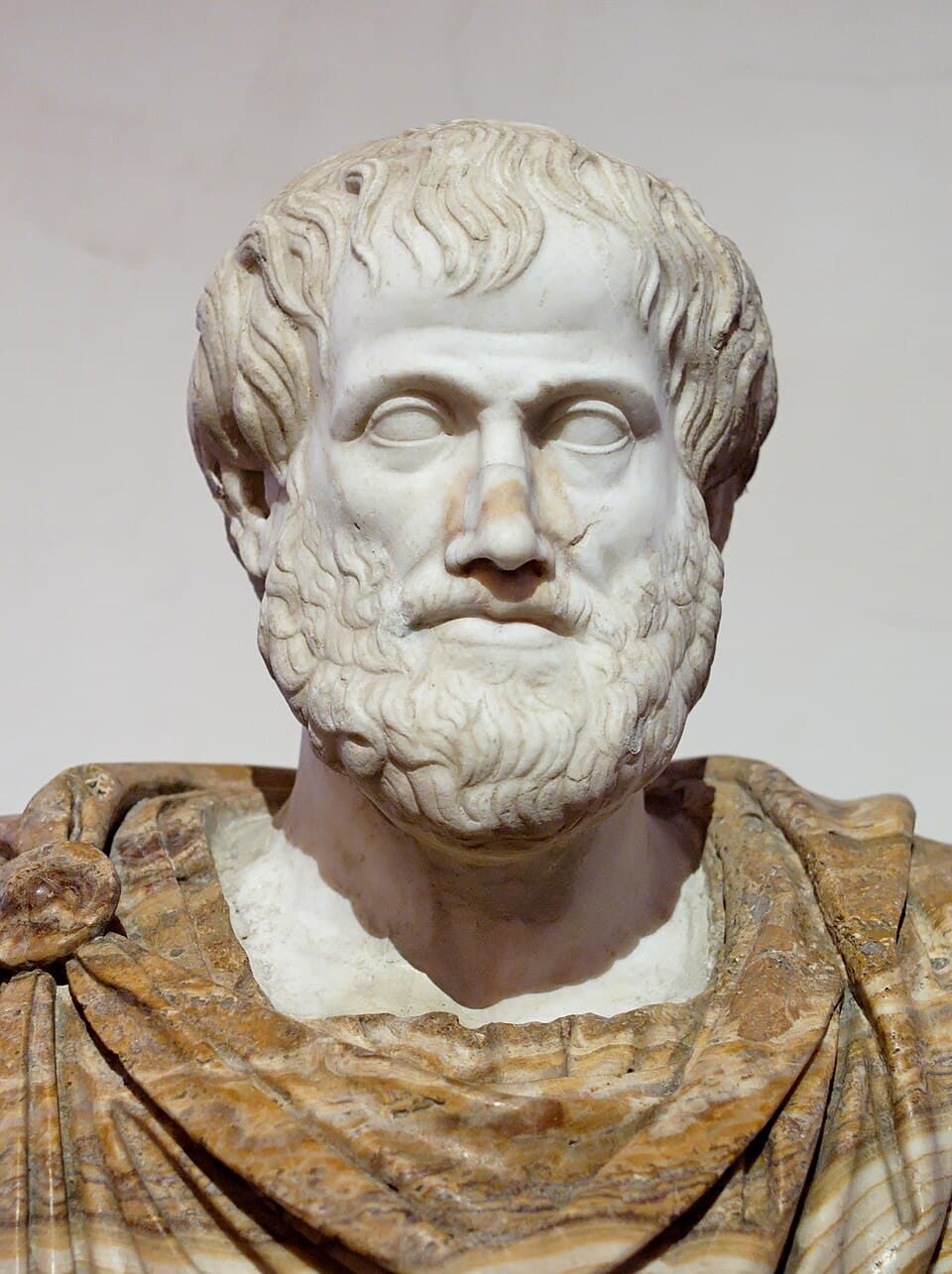
Aristotle
Nicomachean EthicsThe author argues that vice is voluntary because, while one cannot stop being unjust by a mere wish, the initial choices that formed the habit were within the individual's power.
...eing unjust or destitute of self-control, the former by doing evil actions, the latter by spending their time in drinking and such-like; because the particular acts of working form corresponding characters, as is shown by those who are practising for any contest or particular course of action, for such men persevere in the acts of working. As for the plea, that a man did not know that habits are produced from separate acts of working, we reply, such ignorance is a mark of excessive stupidity.
Furthermore, it is wholly irrelevant to say that the man who acts unjustly or dissolutely does not wish to attain the habits of these vices: for if a man wittingly does those things whereby he must become unjust he is to all intents and purposes unjust voluntarily; but he cannot with a wish cease to be unjust and become just. For, to take the analogous case, the sick man cannot with a wish be well again, yet in a supposable case he is voluntarily ill because he has produced his sickness by living intemperately and disregarding his physicians. There was a time then when he might have helped being ill, but now he has let himself go he cannot…
Just so the unjust man, and he who has lost all self-control, might originally have helped being what they are, and so they are voluntarily what they are; but now that they are become so they no longer have the power of being otherwise. And not only are mental diseases voluntary, but the bodily are so in some men, whom we accordingly blame: for such as are naturally deformed no one blames, only such as are so by reason of want of exercise, and neglect: and so too of weakness and maiming: no on...
Continue reading →
5