Empire Without Glory
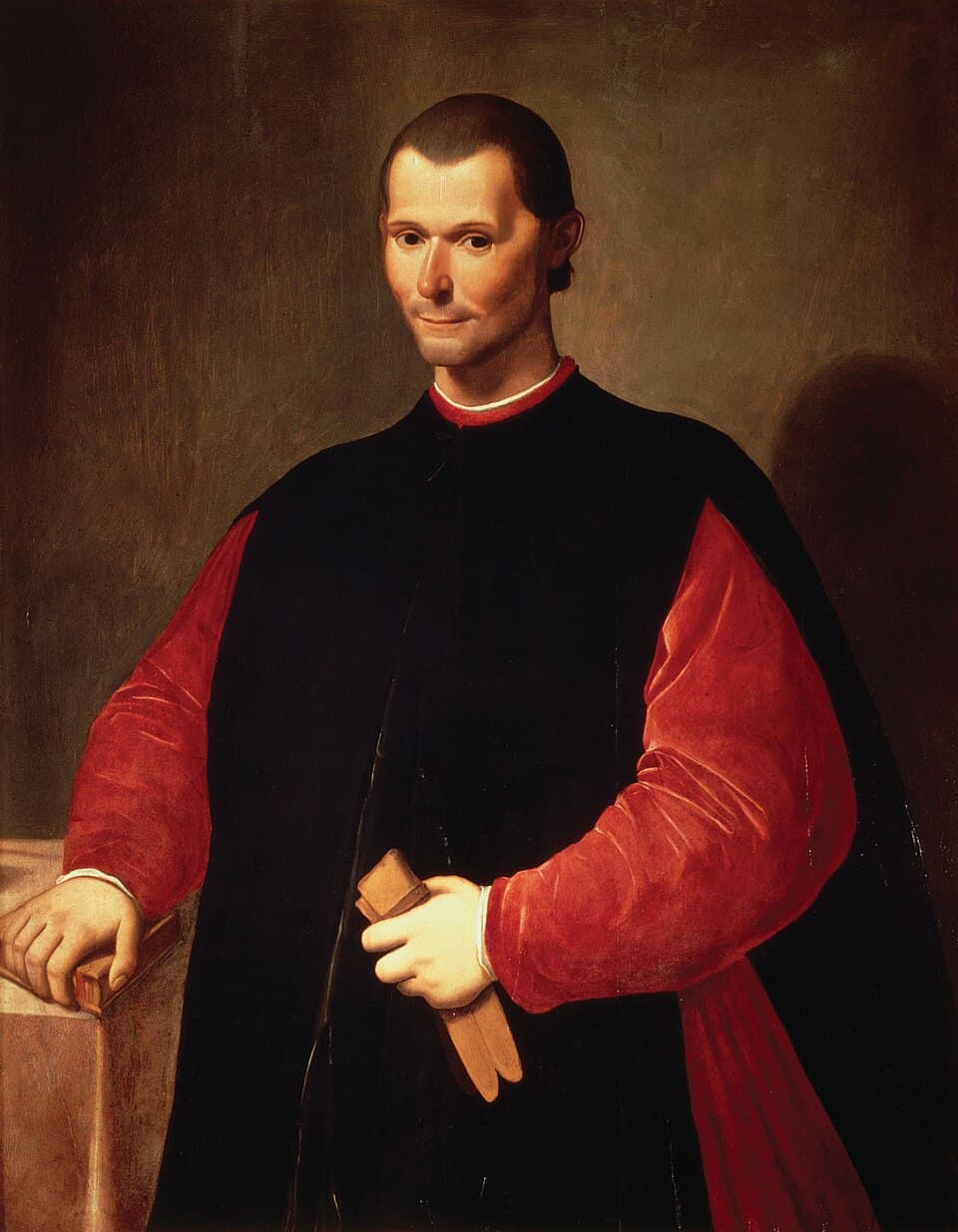
Niccolo Machiavelli
The PrinceThe author distinguishes between the acquisition of power and the attainment of glory, noting that while ruthless cruelty can secure an empire, it prevents a leader from being celebrated as truly excellent.
...to be content with the possession of Africa. [1] Agathocles the Sicilian, born 361 B.C., died 289 B.C. Therefore, he who considers the actions and the genius of this man will see nothing, or little, which can be attributed to fortune, inasmuch as he attained pre-eminence, as is shown above, not by the favour of any one, but step by step in the military profession, which steps were gained with a thousand troubles and perils, and were afterwards boldly held by him with many hazardous dangers.
Yet it cannot be called talent to slay fellow-citizens, to deceive friends, to be without faith, without mercy, without religion; such methods may gain empire, but not glory. Still, if the courage of Agathocles in entering into and extricating himself from dangers be considered, together with his greatness of mind in enduring and overcoming hardships, it cannot be seen why he should be esteemed less than the most notable captain. Nevertheless, his barbarous cruelty and inhumanity with infinite wickedness do not permit him to be celebrated among the most excellent men.
What he achieved cannot be attributed either to fortune or genius. In our times, during the rule of Alexander the Sixth, Oliverotto da Fermo, having been left an orphan many years before, was brought up by his maternal uncle, Giovanni Fogliani, and in the early days of his youth sent to fight under Pagolo Vitelli, that, being trained under his discipline, he might attain some high position in the military profession. After Pagolo died, he fought under his brother Vitellozzo, and in a very shor...
6