War Hallows Cause
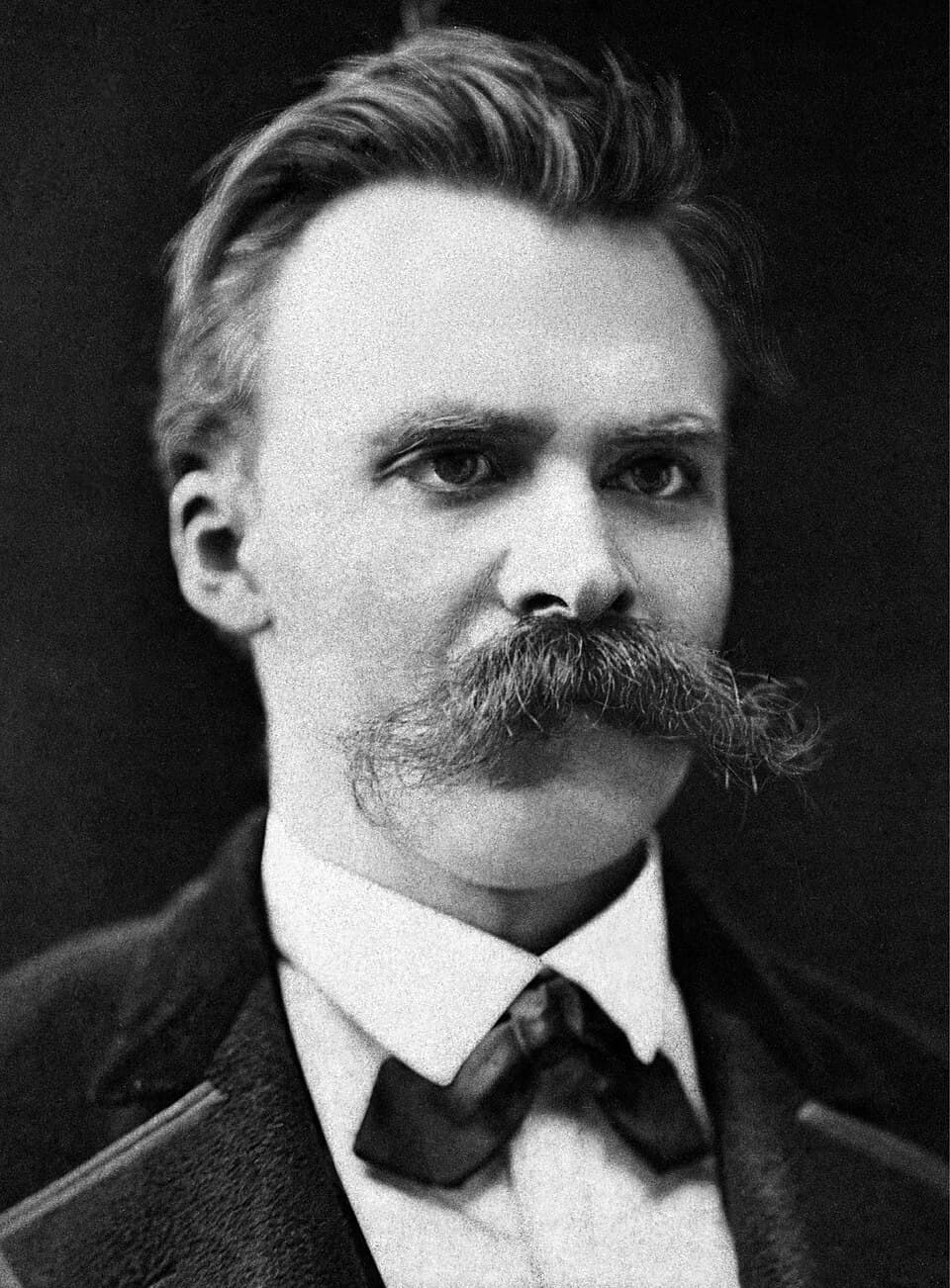
Friedrich Nietzsche
Thus Spake ZarathustraThe author asserts that the merit of a cause is found in the bravery and struggle it inspires, rather than the other way around, valuing martial courage over sympathy.
...war shall ye wage, and for the sake of your thoughts! And if your thoughts succumb, your uprightness shall still shout triumph thereby! Ye shall love peace as a means to new wars—and the short peace more than the long. You I advise not to work, but to fight. You I advise not to peace, but to victory. Let your work be a fight, let your peace be a victory! One can only be silent and sit peacefully when one hath arrow and bow; otherwise one prateth and quarrelleth. Let your peace be a victory!
Ye say it is the good cause which halloweth even war? I say unto you: it is the good war which halloweth every cause. War and courage have done more great things than charity. Not your sympathy, but your bravery hath hitherto saved the victims.
“What is good?” ye ask. To be brave is good. Let the little girls say: “To be good is what is pretty, and at the same time touching.” They call you heartless: but your heart is true, and I love the bashfulness of your good-will. Ye are ashamed of your flow, and others are ashamed of their ebb. Ye are ugly? Well then, my brethren, take the sublime about you, the mantle of the ugly! And when your soul becometh great, then doth it become haughty, and in your sublimity there is wickedness. I kn...
4