Pleasure as Perfecting Work
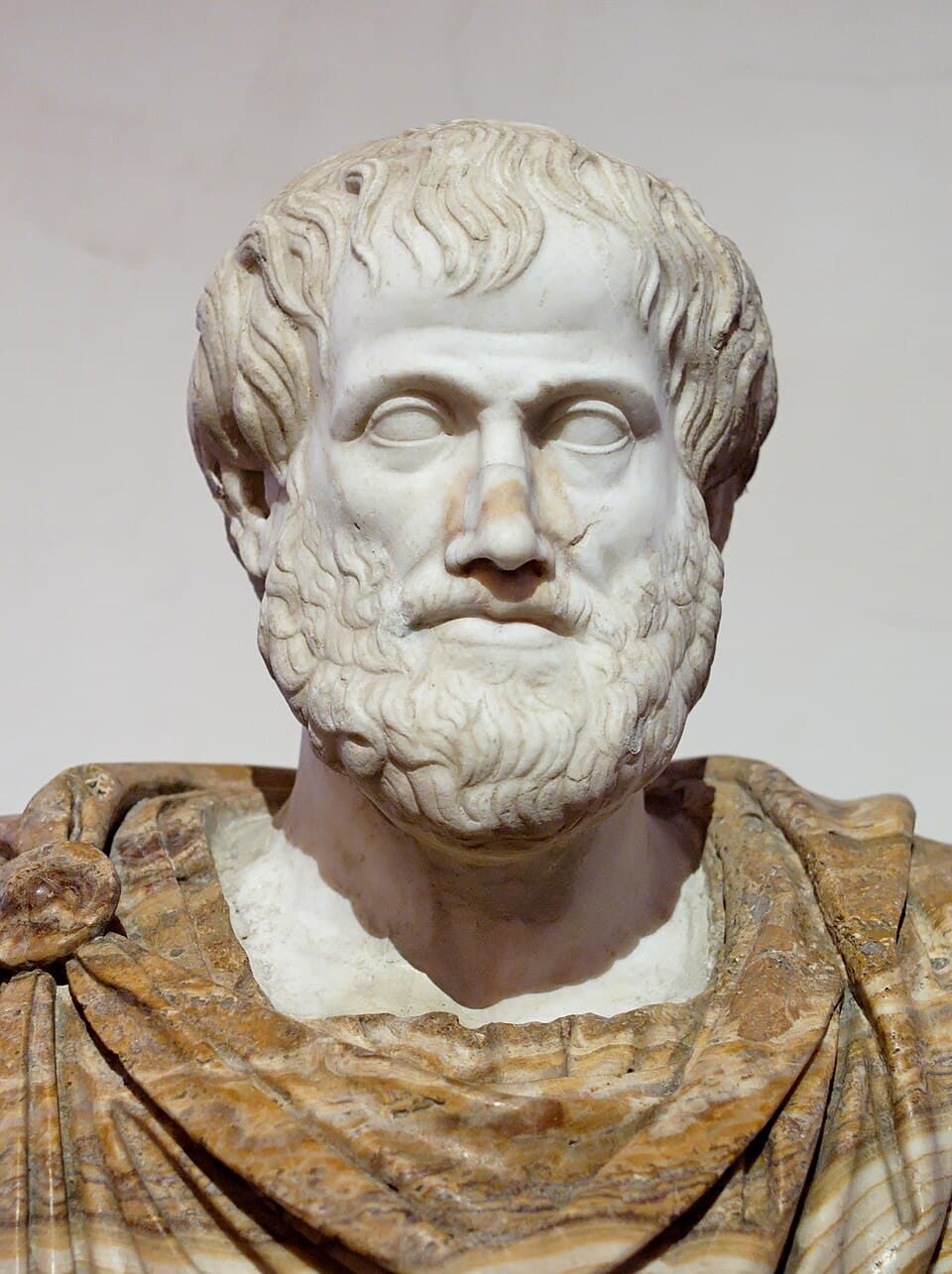
Aristotle
Nicomachean EthicsThe text explains pleasure as a 'supervening finish' that completes an activity when a faculty and its object are perfectly aligned.
...do, being good; just as health and the physician are not in similar senses causes of a healthy state. And that Pleasure does arise upon the exercise of every Percipient Faculty is evident, for we commonly say that sights and sounds are pleasant; it is plain also that this is especially the case when the Faculty is most excellent and works upon a similar Object: and when both the Object and Faculty of Perception are such, Pleasure will always exist, supposing of course an agent and a patient.
Furthermore, Pleasure perfects the act of Working not in the way of an inherent state but as a supervening finish, such as is bloom in people at their prime. Therefore so long as the Object of intellectual or sensitive Perception is such as it should be and also the Faculty which discerns or realises the Object, there will be Pleasure in the Working: because when that which has the capacity of being acted on and that which is apt to act are alike and similarly related, the same result follows naturally.
How is it then that no one feels Pleasure continuously? is it not that he wearies, because all human faculties are incapable of unintermitting exertion; and so, of course, Pleasure does not arise either, because that follows upon the act of Working. But there are some things which please when new, but afterwards not in the like way, for exactly the same reason: that at first the mind is roused and works on these Objects with its powers at full tension; just as they who are gazing stedfastly at...
5