Knowing When to Submit
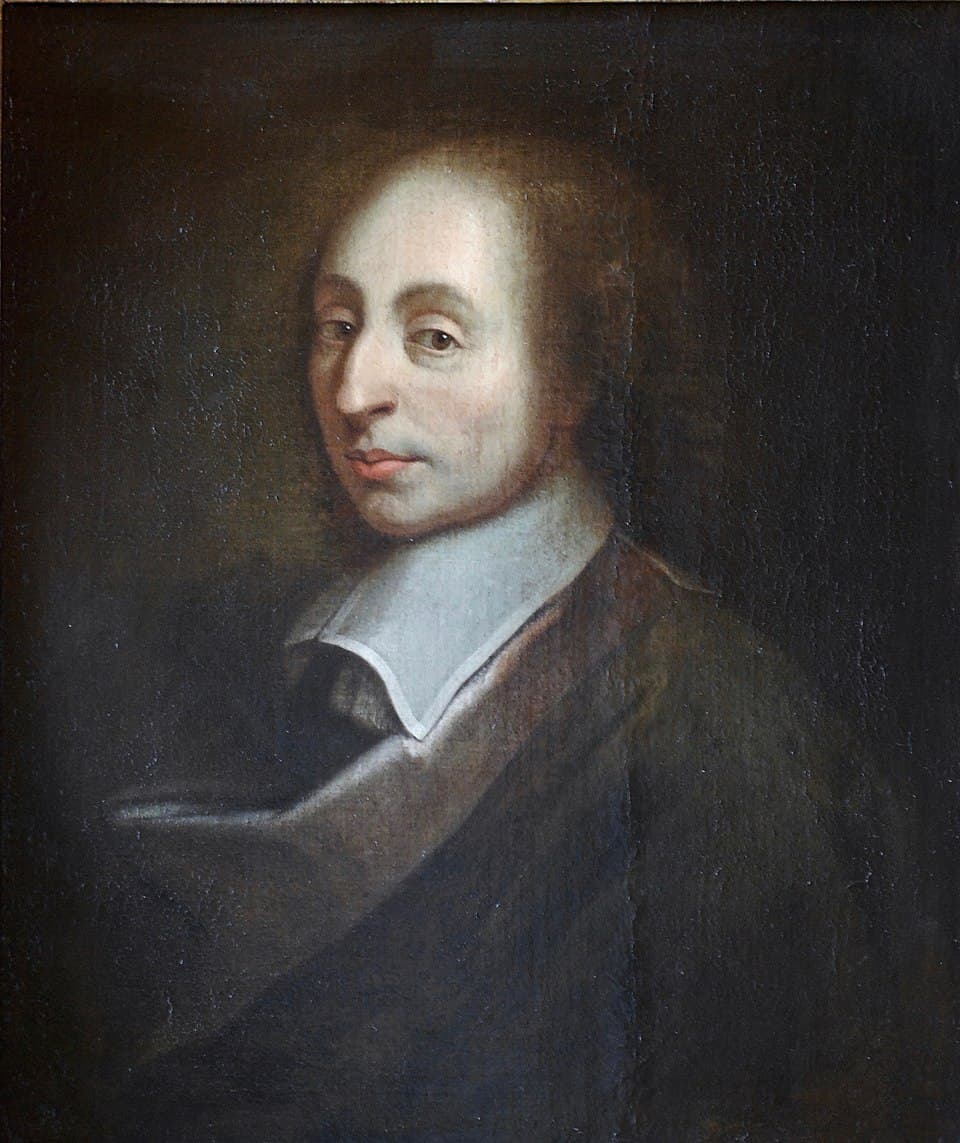
Blaise Pascal
PenseesPascal argues that true reason requires a balance between doubting, certainty, and submission, and that failing to recognize when each is appropriate leads to intellectual error.
...-O presumptuous man!--The compounds are composed of elements, and the elements not.--O presumptuous man! Here is a fine reflection.--We must not say that there is anything which we do not see.--We must then talk like others, but not think like them. 267 The last proceeding of reason is to recognise that there is an infinity of things which are beyond it. It is but feeble if it does not see so far as to know this. But if natural things are beyond it, what will be said of supernatural? 268
Submission.--We must know where to doubt, where to feel certain, where to submit. He who does not do so, understands not the force of reason. There are some who offend against these three rules, either by affirming everything as demonstrative, from want of knowing what demonstration is; or by doubting everything, from want of knowing where to submit; or by submitting in everything, from want of knowing where they must judge.
269 Submission is the use of reason in which consists true Christianity. 270 St. Augustine.[104]--Reason would never submit, if it did not judge that there are some occasions on which it ought to submit. It is then right for it to submit, when it judges that it ought to submit. 271 Wisdom sends us to childhood. Nisi efficiamini sicut parvuli.[105] 272 There is nothing so conformable to reason as this disavowal of reason. 273 If we submit everything to reason, our religion wil...
4