Choice's Final Origin
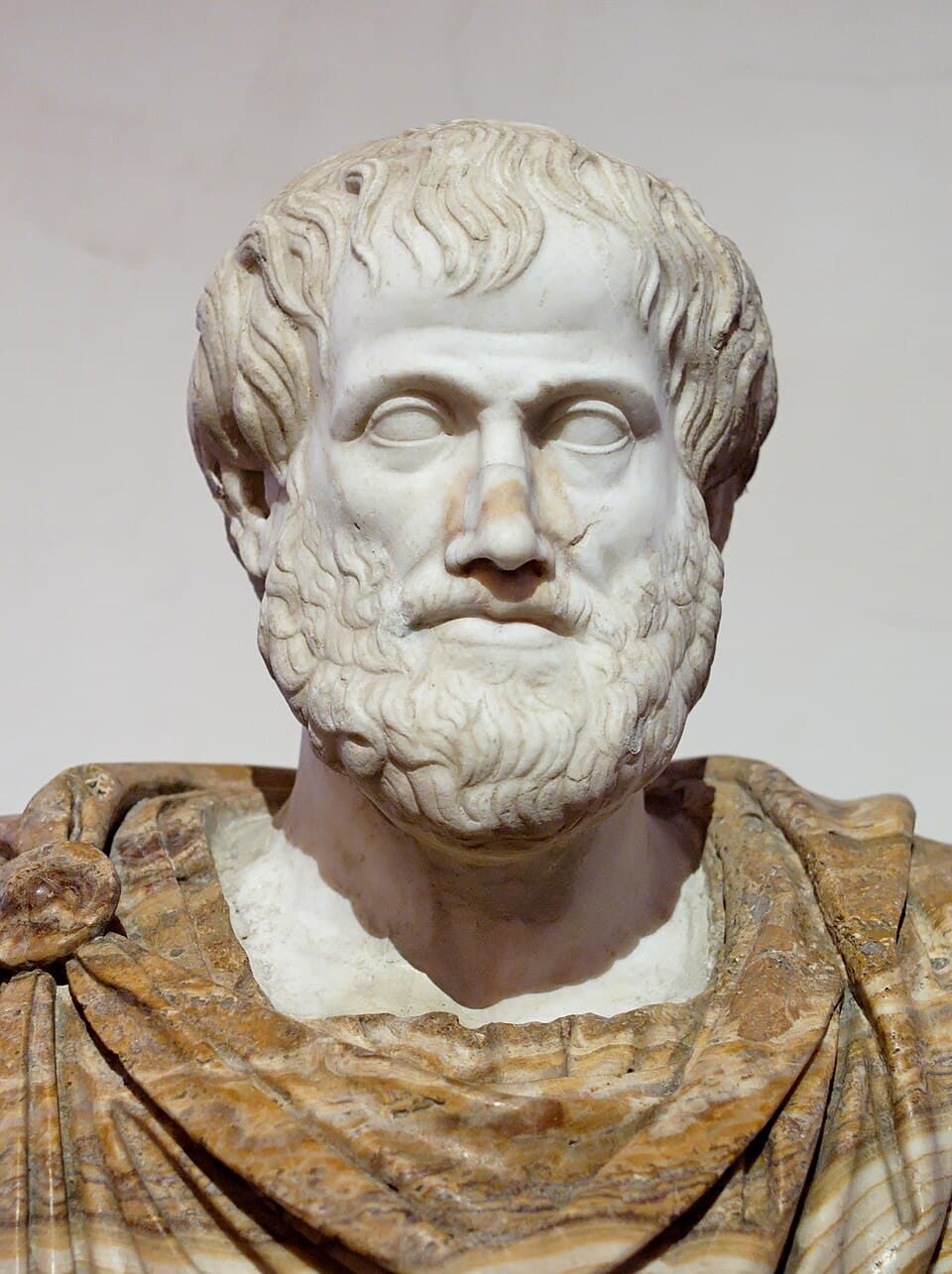
Aristotle
Nicomachean EthicsThe text explains that moral choice is the result of deliberation, where an individual identifies the internal principle of action to make a definite decision.
...is the originator of his actions; and Deliberation has for its object whatever may be done through one’s own instrumentality, and the actions are with a view to other things; and so it is, not the End, but the Means to Ends on which Deliberation is employed. Nor, again, is it employed on matters of detail, as whether the substance before me is bread, or has been properly cooked; for these come under the province of sense, and if a man is to be always deliberating, he may go on ad infinitum.
Further, exactly the same matter is the object both of Deliberation and Moral Choice; but that which is the object of Moral Choice is thenceforward separated off and definite, because by object of Moral Choice is denoted that which after Deliberation has been preferred to something else: for each man leaves off searching how he shall do a thing when he has brought the origination up to himself, i.e. to the governing principle in himself, because it is this which makes the choice.
A good illustration of this is furnished by the old regal constitutions which Homer drew from, in which the Kings would announce to the commonalty what they had determined before. Now since that which is the object of Moral Choice is something in our own power, which is the object of deliberation and the grasping of the Will, Moral Choice must be “a grasping after something in our own power consequent upon Deliberation:” because after having deliberated we decide, and then grasp by our Will in...
5