Pleasure's False Crown
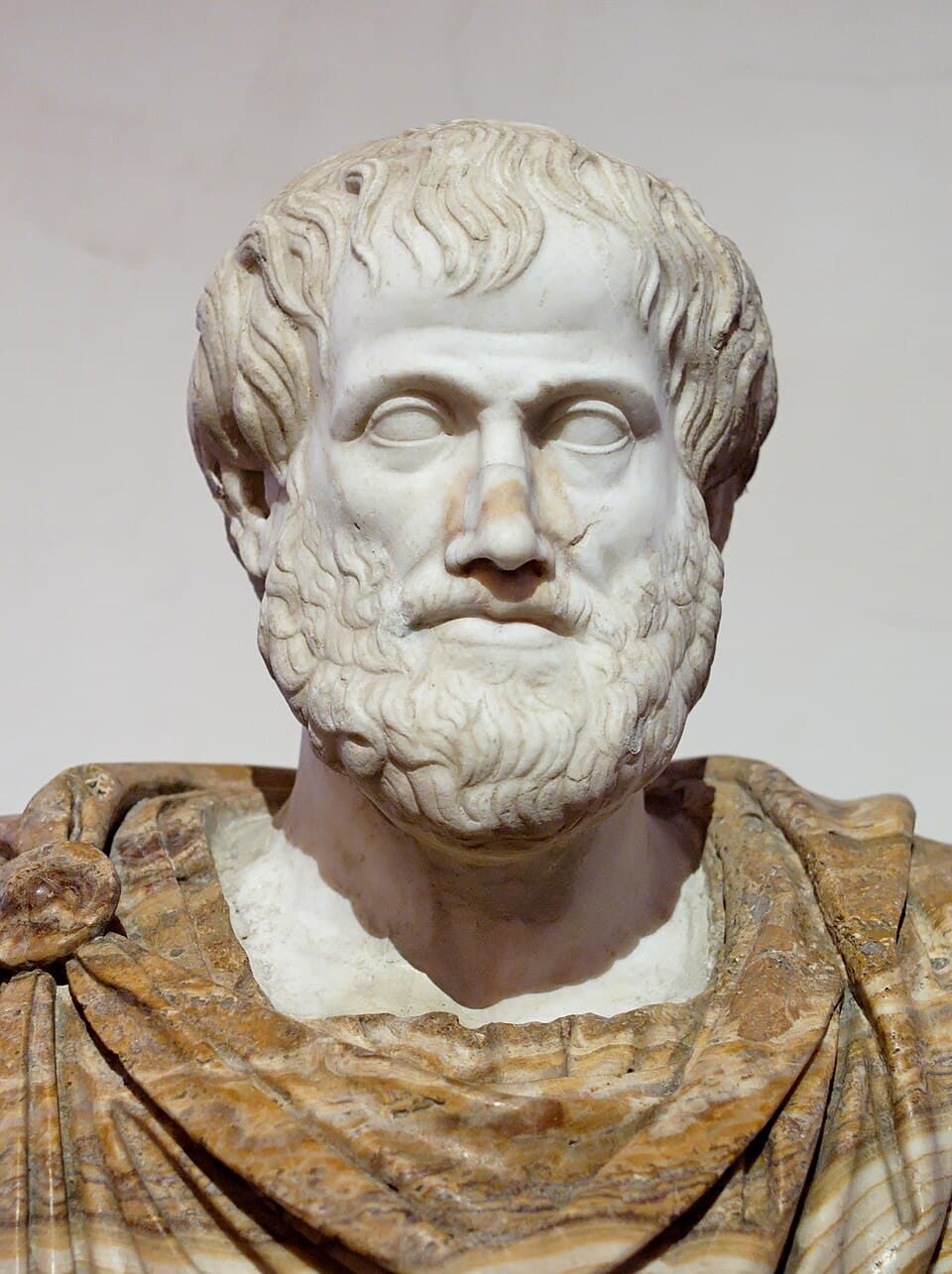
Aristotle
Nicomachean EthicsAristotle argues that certain excellences like sight and knowledge are inherently valuable regardless of the pleasure they produce, proving pleasure is not the sole Chief Good.
...ent kinds of Pleasure: for the former is thought to have good as the object of his intercourse, the latter Pleasure only; and this last is reproached, but the former men praise as having different objects in his intercourse. Again, no one would choose to live with a child’s intellect all his life through, though receiving the highest possible Pleasure from such objects as children receive it from; or to take Pleasure in doing any of the most disgraceful things, though sure never to be pained.
There are many things also about which we should be diligent even though they brought no Pleasure; as seeing, remembering, knowing, possessing the various Excellences; and the fact that Pleasures do follow on these naturally makes no difference, because we should certainly choose them even though no Pleasure resulted from them. It seems then to be plain that Pleasure is not the Chief Good, nor is every kind of it choice-worthy: and that there are some choice-worthy in themselves, differing in kind, i.e. in the sources from which they are derived.
Let this then suffice by way of an account of the current maxims respecting Pleasure and Pain. Chapter III. Now what it is, and how characterised, will be more plain if we take up the subject afresh. An act of Sight is thought to be complete at any moment; that is to say, it lacks nothing the accession of which subsequently will complete its whole nature. Well, Pleasure resembles this: because it is a whole, as one may say; and one could not at any moment of time take a Pleasure whose whole...
4