The Virtue Facade
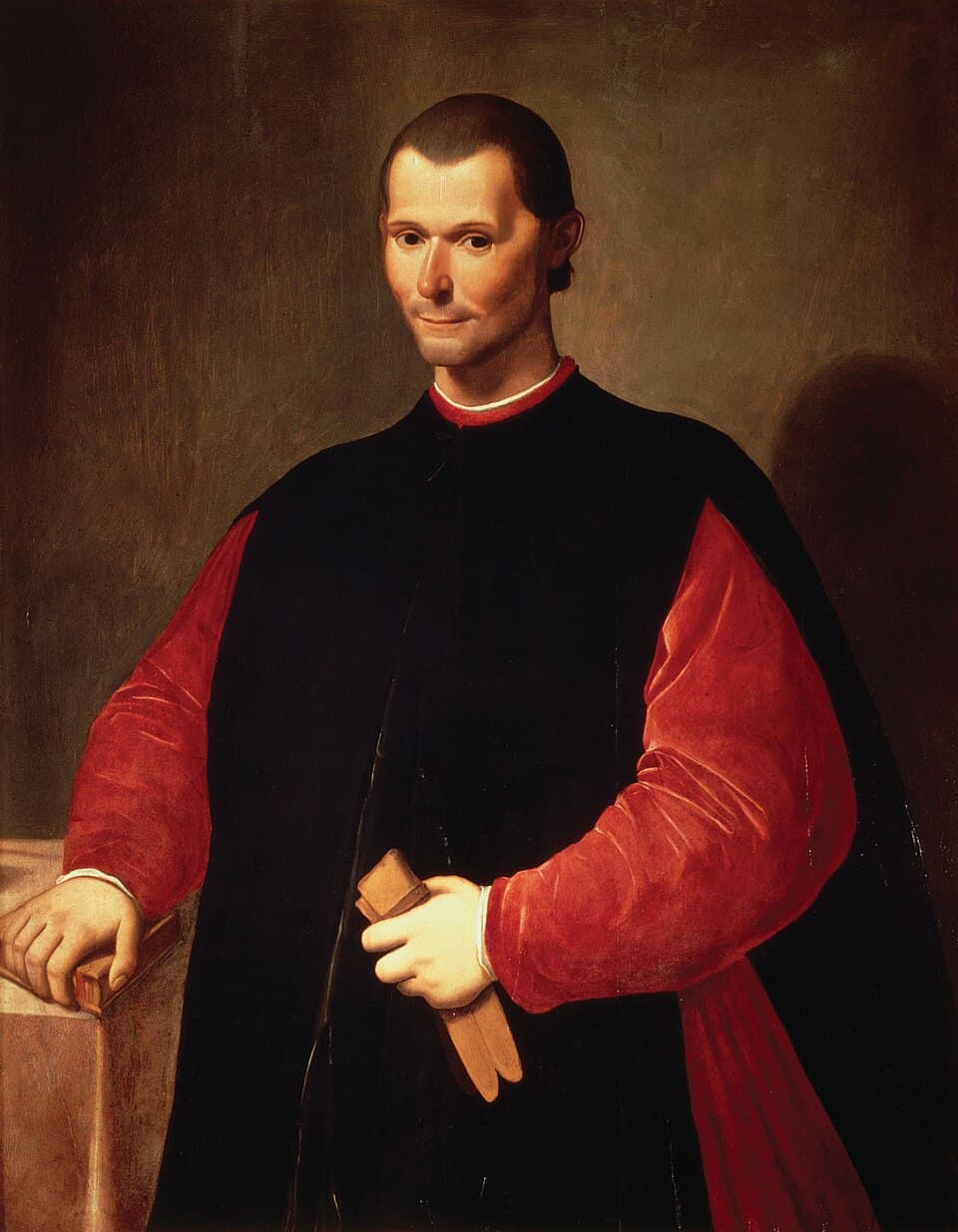
Niccolo Machiavelli
The PrinceThe author argues that a prince must prioritize the appearance of virtue over its constant practice, as the flexibility to act against moral norms is often necessary to maintain the state.
...nd he always found victims; for there never was a man who had greater power in asserting, or who with greater oaths would affirm a thing, yet would observe it less; nevertheless his deceits always succeeded according to his wishes,[3] because he well understood this side of mankind. [3] “Nondimanco sempre gli succederono gli inganni (ad votum).” The words “ad votum” are omitted in the Testina addition, 1550. Alexander never did what he said, Cesare never said what he did. Italian Proverb.
Therefore it is unnecessary for a prince to have all the good qualities I have enumerated, but it is very necessary to appear to have them. And I shall dare to say this also, that to have them and always to observe them is injurious, and that to appear to have them is useful; to appear merciful, faithful, humane, religious, upright, and to be so, but with a mind so framed that should you require not to be so, you may be able and know how to change to the opposite. And you have to understand this, that a prince, especially a new one, cannot observe all those things for which men are esteemed, being often forced, in order to maintain the state,…
[4] “Contrary to fidelity” or “faith,” “contro alla fede,” and “tutto fede,” “altogether faithful,” in the next paragraph. It is noteworthy that these two phrases, “contro alla fede” and “tutto fede,” were omitted in the Testina edition, which was published with the sanction of the papal authorities. It may be that the meaning attached to the word “fede” was “the faith,” i.e. the Catholic creed, and not as rendered here “fidelity” and “faithful.” Observe that the word “religione” was...
Continue reading →
2