Establishing New Orders
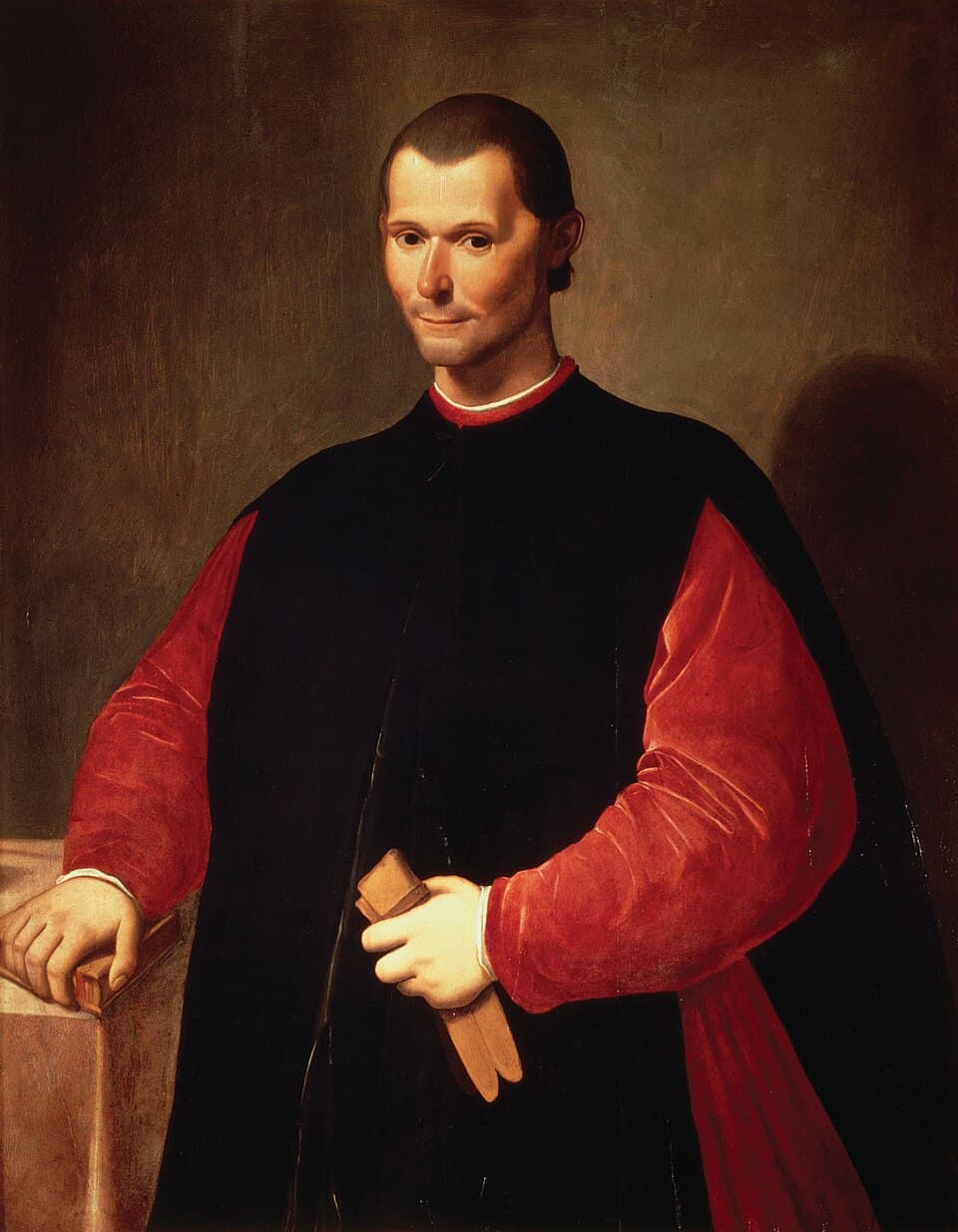
Niccolo Machiavelli
The Prince

The author reflects on the necessity of human agency and the establishment of new laws to restore military virtue and honor in a fragmented Italy.

...are hallowed when there is no other hope but in them. Here there is the greatest willingness, and where the willingness is great the difficulties cannot be great if you will only follow those men to whom I have directed your attention. Further than this, how extraordinarily the ways of God have been manifested beyond example: the sea is divided, a cloud has led the way, the rock has poured forth water, it has rained manna, everything has contributed to your greatness; you ought to do the rest.
God is not willing to do everything, and thus take away our free will and that share of glory which belongs to us. And it is not to be wondered at if none of the above-named Italians have been able to accomplish all that is expected from your illustrious house; and if in so many revolutions in Italy, and in so many campaigns, it has always appeared as if military virtue were exhausted, this has happened because the old order of things was not good, and none of us have known how to find a new one. And nothing honours a man more than to establish new laws and new ordinances when he himself was newly risen. Such things when they are well founded…
Here there is great valour in the limbs whilst it fails in the head. Look attentively at the duels and the hand-to-hand combats, how superior the Italians are in strength, dexterity, and subtlety. But when it comes to armies they do not bear comparison, and this springs entirely from the insufficiency of the leaders, since those who are capable are not obedient, and each one seems to himself to know, there having never been any one so distinguished above the rest, either by valour or fortune,...
Continue reading →
2
The Innovator's Dilemma
Niccolo Machiavelli
The Prince

The author discusses the inherent danger of introducing new political orders, noting that innovators face fierce opposition from those who benefited from the old system and only lukewarm support from potential beneficiaries.

...irth, in order that he should become King of Rome and founder of the fatherland. It was necessary that Cyrus should find the Persians discontented with the government of the Medes, and the Medes soft and effeminate through their long peace. Theseus could not have shown his ability had he not found the Athenians dispersed. These opportunities, therefore, made those men fortunate, and their high ability enabled them to recognize the opportunity whereby their country was ennobled and made famous.
Those who by valorous ways become princes, like these men, acquire a principality with difficulty, but they keep it with ease. The difficulties they have in acquiring it rise in part from the new rules and methods which they are forced to introduce to establish their government and its security. And it ought to be remembered that there is nothing more difficult to take in hand, more perilous to conduct, or more uncertain in its success, than to take the lead in the introduction of a new order of things, because the innovator has for enemies all those who have done well under the old conditions, and lukewarm defenders in those who may do well…
Thus it happens that whenever those who are hostile have the opportunity to attack they do it like partisans, whilst the others defend lukewarmly, in such wise that the prince is endangered along with them. It is necessary, therefore, if we desire to discuss this matter thoroughly, to inquire whether these innovators can rely on themselves or have to depend on others: that is to say, whether, to consummate their enterprise, have they to use prayers or can they use force? In the first instance...
Continue reading →
4
Innovating Military Order
Niccolo Machiavelli
The Prince

The author proposes the creation of a modernized military force that combines the strengths of different infantries as the key to Italy's liberation and a new prince's glory.

...And although a complete proof of this latter cannot be shown, nevertheless there was some evidence of it at the battle of Ravenna, when the Spanish infantry were confronted by German battalions, who follow the same tactics as the Swiss; when the Spaniards, by agility of body and with the aid of their shields, got in under the pikes of the Germans and stood out of danger, able to attack, while the Germans stood helpless, and, if the cavalry had not dashed up, all would have been over with them.
It is possible, therefore, knowing the defects of both these infantries, to invent a new one, which will resist cavalry and not be afraid of infantry; this need not create a new order of arms, but a variation upon the old. And these are the kind of improvements which confer reputation and power upon a new prince. This opportunity, therefore, ought not to be allowed to pass for letting Italy at last see her liberator appear.
Nor can one express the love with which he would be received in all those provinces which have suffered so much from these foreign scourings, with what thirst for revenge, with what stubborn faith, with what devotion, with what tears. What door would be closed to him? Who would refuse obedience to him? What envy would hinder him? What Italian would refuse him homage? To all of us this barbarous dominion stinks. Let, therefore, your illustrious house take up this charge with that courage and hop...
2
End of shuffled session