Fear Over Love
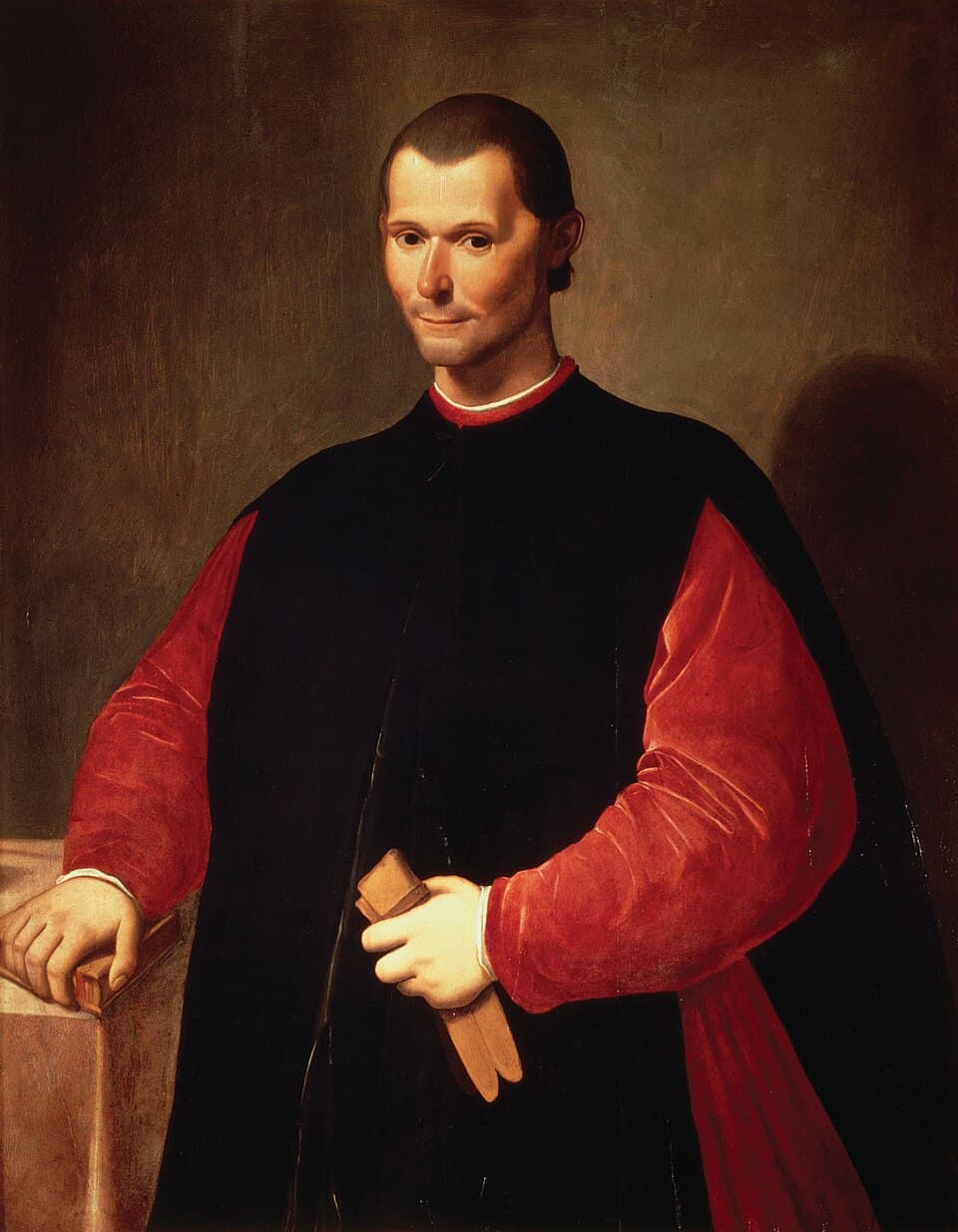
Niccolo Machiavelli
The PrinceThe author argues that while it is ideal to be both loved and feared, it is much safer to be feared because love is a fickle bond of obligation that men break for their own advantage. Fear, conversely, is maintained by a dread of punishment that remains constant even when personal interests shift.
...tas me talia cogunt Moliri, et late fines custode tueri.”[2] Nevertheless he ought to be slow to believe and to act, nor should he himself show fear, but proceed in a temperate manner with prudence and humanity, so that too much confidence may not make him incautious and too much distrust render him intolerable. [2] . . . against my will, my fate A throne unsettled, and an infant state, Bid me defend my realms with all my pow’rs, And guard with these severities my shores. Christopher Pitt.
Upon this a question arises: whether it be better to be loved than feared or feared than loved? It may be answered that one should wish to be both, but, because it is difficult to unite them in one person, it is much safer to be feared than loved, when, of the two, either must be dispensed with. Because this is to be asserted in general of men, that they are ungrateful, fickle, false, cowardly, covetous, and as long as you succeed they are yours entirely; they will offer you their blood, property, life, and children, as is said above, when the need is far distant; but when it approaches they turn against you. And that prince who, relying…
Nevertheless a prince ought to inspire fear in such a way that, if he does not win love, he avoids hatred; because he can endure very well being feared whilst he is not hated, which will always be as long as he abstains from the property of his citizens and subjects and from their women. But when it is necessary for him to proceed against the life of someone, he must do it on proper justification and for manifest cause, but above all things he must keep his hands off the property of others, be...
Continue reading →
2