The Populace Hodgepodge
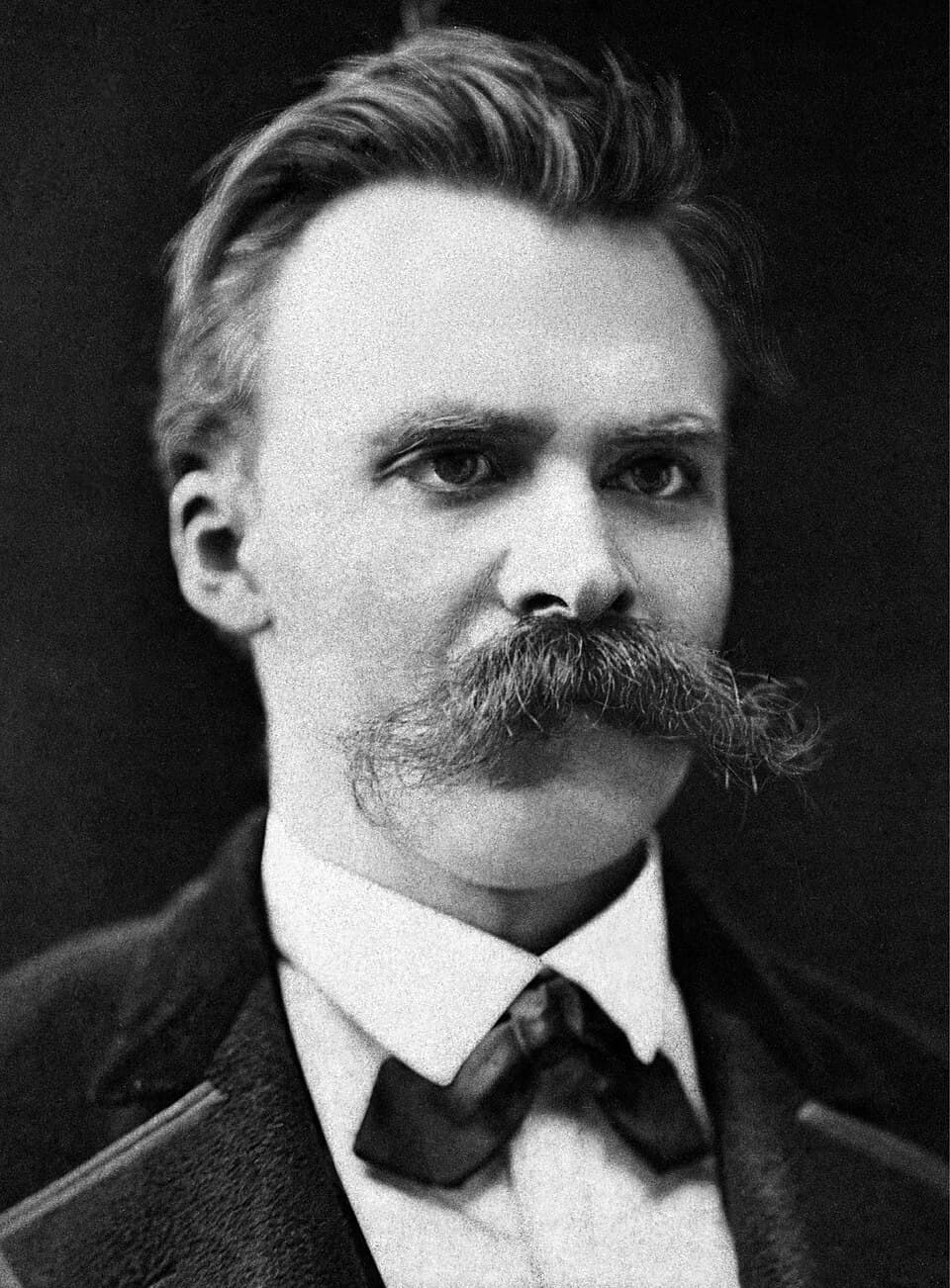
Friedrich Nietzsche
Thus Spake Zarathustra

A scathing observation on the loss of reverence in modern society, where the 'populace' is described as a confused mixture of values and types lacking true manners.

...over-rouged populace—though it call itself ‘good society.’ —Though it call itself ‘nobility.’ But there all is false and foul, above all the blood—thanks to old evil diseases and worse curers. The best and dearest to me at present is still a sound peasant, coarse, artful, obstinate and enduring: that is at present the noblest type. The peasant is at present the best; and the peasant type should be master! But it is the kingdom of the populace—I no longer allow anything to be imposed upon me.
The populace, however—that meaneth, hodgepodge. Populace-hodgepodge: therein is everything mixed with everything, saint and swindler, gentleman and Jew, and every beast out of Noah’s ark. Good manners! Everything is false and foul with us. No one knoweth any longer how to reverence: it is THAT precisely that we run away from.
They are fulsome obtrusive dogs; they gild palm-leaves. This loathing choketh me, that we kings ourselves have become false, draped and disguised with the old faded pomp of our ancestors, show-pieces for the stupidest, the craftiest, and whosoever at present trafficketh for power. We ARE NOT the first men—and have nevertheless to STAND FOR them: of this imposture have we at last become weary and disgusted. From the rabble have we gone out of the way, from all those bawlers and scribe-blowfli...
3
The Ultra-Moral Stage
Friedrich Nietzsche
Beyond Good and Evil

The text explores how early moral valuations are based solely on the utility and preservation of the community rather than individual virtue. In this 'ultra-moral' stage, actions like sympathy and fairness are practiced but not yet recognized as moral values in themselves.

...ose enigmatical men, predestined for conquering and circumventing others, the finest examples of which are Alcibiades and Caesar (with whom I should like to associate the FIRST of Europeans according to my taste, the Hohenstaufen, Frederick the Second), and among artists, perhaps Leonardo da Vinci. They appear precisely in the same periods when that weaker type, with its longing for repose, comes to the front; the two types are complementary to each other, and spring from the same causes. 201.
As long as the utility which determines moral estimates is only gregarious utility, as long as the preservation of the community is only kept in view, and the immoral is sought precisely and exclusively in what seems dangerous to the maintenance of the community, there can be no "morality of love to one's neighbour." Granted even that there is already a little constant exercise of consideration, sympathy, fairness, gentleness, and mutual assistance, granted that even in this condition of society all those instincts are already active which are latterly distinguished by honourable names as "virtues," and eventually almost coincide with the…
A sympathetic action, for instance, is neither called good nor bad, moral nor immoral, in the best period of the Romans; and should it be praised, a sort of resentful disdain is compatible with this praise, even at the best, directly the sympathetic action is compared with one which contributes to the welfare of the whole, to the RES PUBLICA. After all, "love to our neighbour" is always a secondary matter, partly conventional and arbitrarily manifested in relation to our FEAR OF OUR NEIGHBOUR....
Continue reading →
6
Marketplace Noise
Friedrich Nietzsche
Thus Spake Zarathustra

A lament on the superficiality of the masses, where constant chatter and the pursuit of small gains prevent deep understanding or the quiet 'hatching' of great ideas.

...Down there, however—all talking is in vain! There, forgetting and passing-by are the best wisdom: THAT have I learned now! He who would understand everything in man must handle everything. But for that I have too clean hands. I do not like even to inhale their breath; alas! that I have lived so long among their noise and bad breaths! O blessed stillness around me! O pure odours around me! How from a deep breast this stillness fetcheth pure breath! How it hearkeneth, this blessed stillness!
But down there—there speaketh everything, there is everything misheard. If one announce one’s wisdom with bells, the shopmen in the market-place will out-jingle it with pennies! Everything among them talketh; no one knoweth any longer how to understand. Everything falleth into the water; nothing falleth any longer into deep wells. Everything among them talketh, nothing succeedeth any longer and accomplisheth itself. Everything cackleth, but who will still sit quietly on the nest and hatch eggs?
Everything among them talketh, everything is out-talked. And that which yesterday was still too hard for time itself and its tooth, hangeth to-day, outchamped and outchewed, from the mouths of the men of to-day. Everything among them talketh, everything is betrayed. And what was once called the secret and secrecy of profound souls, belongeth to-day to the street-trumpeters and other butterflies. O human hubbub, thou wonderful thing! Thou noise in dark streets! Now art thou again behind me:—m...
2
Rule of the Best
Friedrich Nietzsche
Thus Spake Zarathustra

A prescription for the 'best' to rule, critiquing the modern era of traders and 'the people' for replacing noble mastery with petty, mutual exploitation.

...elves: therefore must ye pass by many a one,— —Especially many of the rabble, who din your ears with noise about people and peoples. Keep your eye clear of their For and Against! There is there much right, much wrong: he who looketh on becometh wroth. Therein viewing, therein hewing—they are the same thing: therefore depart into the forests and lay your sword to sleep! Go YOUR ways! and let the people and peoples go theirs!—gloomy ways, verily, on which not a single hope glinteth any more!
Let there the trader rule, where all that still glittereth is—traders’ gold. It is the time of kings no longer: that which now calleth itself the people is unworthy of kings. See how these peoples themselves now do just like the traders: they pick up the smallest advantage out of all kinds of rubbish! They lay lures for one another, they lure things out of one another,—that they call “good neighbourliness.” O blessed remote period when a people said to itself: “I will be—MASTER over peoples!” For, my brethren, the best shall rule, the best also WILLETH to rule! And where the teaching is different, there—the best is LACKING.
22. If THEY had—bread for nothing, alas! for what would THEY cry! Their maintainment—that is their true entertainment; and they shall have it hard! Beasts of prey, are they: in their “working”—there is even plundering, in their “earning”—there is even overreaching! Therefore shall they have it hard! Better beasts of prey shall they thus become, subtler, cleverer, MORE MAN-LIKE: for man is the best beast of prey. All the animals hath man already robbed of their virtues: that is why of all a...
2
No Shepherd, One Herd
Friedrich Nietzsche
Thus Spake Zarathustra

A critique of the 'last man' and modern mediocrity, where the pursuit of comfort and absolute equality has replaced the noble struggle for power and individuality.

...d-flea; the last man liveth longest. “We have discovered happiness”—say the last men, and blink thereby. They have left the regions where it is hard to live; for they need warmth. One still loveth one’s neighbour and rubbeth against him; for one needeth warmth. Turning ill and being distrustful, they consider sinful: they walk warily. He is a fool who still stumbleth over stones or men! A little poison now and then: that maketh pleasant dreams. And much poison at last for a pleasant death.
One still worketh, for work is a pastime. But one is careful lest the pastime should hurt one. One no longer becometh poor or rich; both are too burdensome. Who still wanteth to rule? Who still wanteth to obey? Both are too burdensome. No shepherd, and one herd! Every one wanteth the same; every one is equal: he who hath other sentiments goeth voluntarily into the madhouse.
“Formerly all the world was insane,”—say the subtlest of them, and blink thereby. They are clever and know all that hath happened: so there is no end to their raillery. People still fall out, but are soon reconciled—otherwise it spoileth their stomachs. They have their little pleasures for the day, and their little pleasures for the night, but they have a regard for health. “We have discovered happiness,”—say the last men, and blink thereby.— And here ended the first discourse of Zarathust...
5