Will to Power's Reconciliation
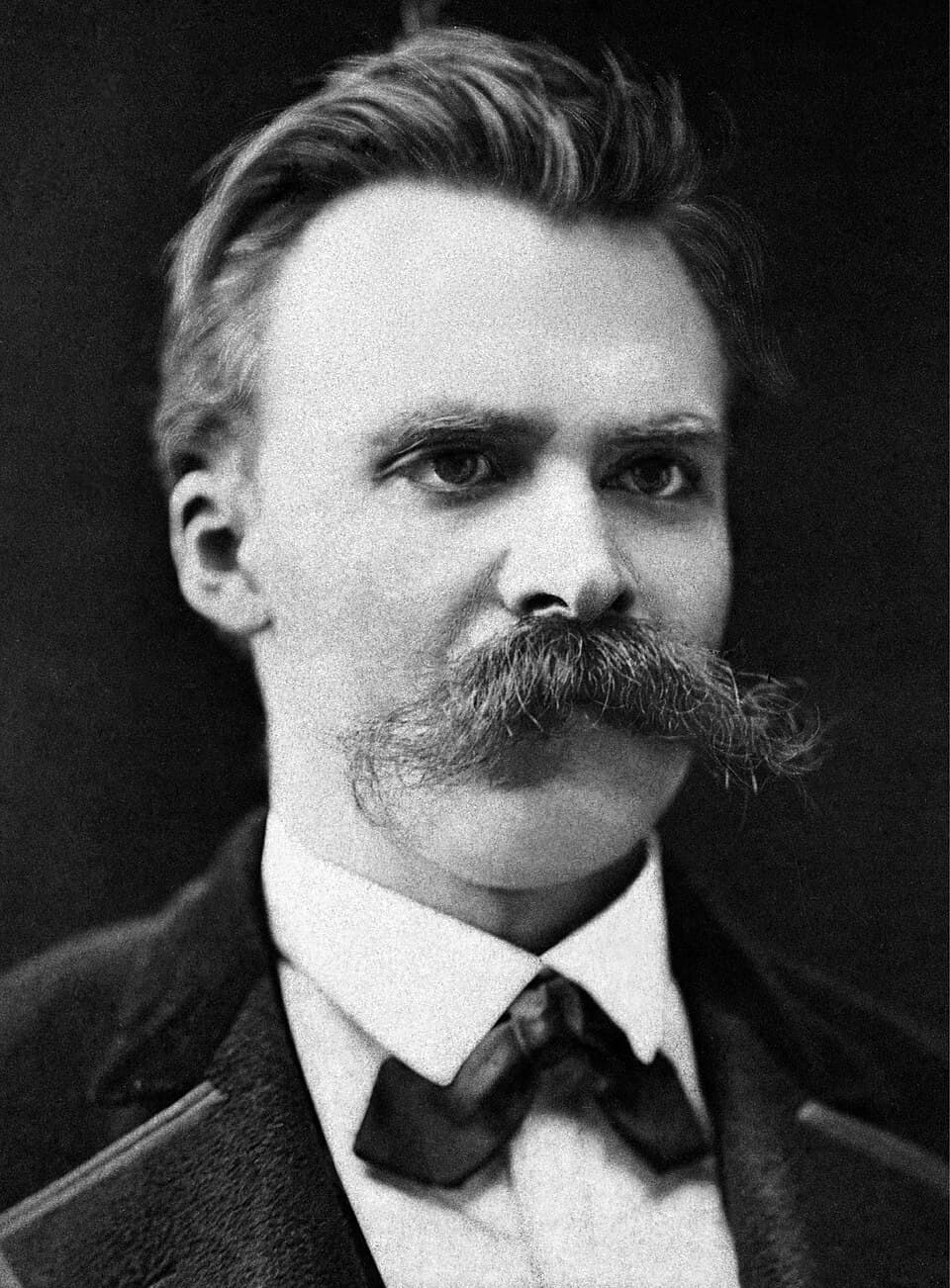
Friedrich Nietzsche
Thus Spake Zarathustra

The author explores the challenge of the 'Will to Power' in reconciling with time, seeking a way for the will to 'will backwards' and redeem the past from chance.

..., ‘It was’: eternal must also be all penalties!” Thus did madness preach. “No deed can be annihilated: how could it be undone by the penalty! This, this is what is eternal in the ‘existence’ of penalty, that existence also must be eternally recurring deed and guilt! Unless the Will should at last deliver itself, and Willing become non-Willing—:” but ye know, my brethren, this fabulous song of madness! Away from those fabulous songs did I lead you when I taught you: “The Will is a creator.”
All “It was” is a fragment, a riddle, a fearful chance—until the creating Will saith thereto: “But thus would I have it.”— Until the creating Will saith thereto: “But thus do I will it! Thus shall I will it!” But did it ever speak thus? And when doth this take place? Hath the Will been unharnessed from its own folly? Hath the Will become its own deliverer and joy-bringer? Hath it unlearned the spirit of revenge and all teeth-gnashing? And who hath taught it reconciliation with time, and something higher than all reconciliation? Something higher than all reconciliation must the Will will which is the Will to Power—: but how doth that take…
—But at this point in his discourse it chanced that Zarathustra suddenly paused, and looked like a person in the greatest alarm. With terror in his eyes did he gaze on his disciples; his glances pierced as with arrows their thoughts and arrear-thoughts. But after a brief space he again laughed, and said soothedly: “It is difficult to live amongst men, because silence is so difficult— especially for a babbler.”— Thus spake Zarathustra. The hunchback, however, had listened to the conversation...
Continue reading →
4
Honor as Power
Friedrich Nietzsche
Beyond Good and Evil

The author contrasts noble morality, which is rooted in self-pride and reverence for tradition, with 'modern' morality, which he views as an ignoble celebration of sympathy, selflessness, and progress.

...has power over himself, who knows how to speak and how to keep silence, who takes pleasure in subjecting himself to severity and hardness, and has reverence for all that is severe and hard. "Wotan placed a hard heart in my breast," says an old Scandinavian Saga: it is thus rightly expressed from the soul of a proud Viking. Such a type of man is even proud of not being made for sympathy; the hero of the Saga therefore adds warningly: "He who has not a hard heart when young, will never have one."
The noble and brave who think thus are the furthest removed from the morality which sees precisely in sympathy, or in acting for the good of others, or in DESINTERESSEMENT, the characteristic of the moral; faith in oneself, pride in oneself, a radical enmity and irony towards "selflessness," belong as definitely to noble morality, as do a careless scorn and precaution in presence of sympathy and the "warm heart."--It is the powerful who KNOW how to honour, it is their art, their domain for invention. The profound reverence for age and for tradition--all law rests on this double reverence,--the belief and prejudice in favour of ancestors and…
A morality of the ruling class, however, is more especially foreign and irritating to present-day taste in the sternness of its principle that one has duties only to one's equals; that one may act towards beings of a lower rank, towards all that is foreign, just as seems good to one, or "as the heart desires," and in any case "beyond good and evil": it is here that sympathy and similar sentiments can have a place. The ability and obligation to exercise prolonged gratitude and prolonged revenge-...
Continue reading →
6
Kings' False Disguise
Friedrich Nietzsche
Thus Spake Zarathustra

A confession of deep disgust regarding the falsity of modern leadership, where those in power merely wear the faded masks of ancestors to appease the masses.

...t type should be master! But it is the kingdom of the populace—I no longer allow anything to be imposed upon me. The populace, however—that meaneth, hodgepodge. Populace-hodgepodge: therein is everything mixed with everything, saint and swindler, gentleman and Jew, and every beast out of Noah’s ark. Good manners! Everything is false and foul with us. No one knoweth any longer how to reverence: it is THAT precisely that we run away from. They are fulsome obtrusive dogs; they gild palm-leaves.
This loathing choketh me, that we kings ourselves have become false, draped and disguised with the old faded pomp of our ancestors, show-pieces for the stupidest, the craftiest, and whosoever at present trafficketh for power. We ARE NOT the first men—and have nevertheless to STAND FOR them: of this imposture have we at last become weary and disgusted.
From the rabble have we gone out of the way, from all those bawlers and scribe-blowflies, from the trader-stench, the ambition-fidgeting, the bad breath—: fie, to live among the rabble; —Fie, to stand for the first men among the rabble! Ah, loathing! Loathing! Loathing! What doth it now matter about us kings!”— “Thine old sickness seizeth thee,” said here the king on the left, “thy loathing seizeth thee, my poor brother. Thou knowest, however, that some one heareth us.” Immediately thereupo...
2
The Unpardonable Command
Friedrich Nietzsche
Thus Spake Zarathustra

The author prescribes a transition from obedience to command, arguing that the most difficult and necessary task for the powerful is to accept the responsibility of ruling.

...not reached man. I went, indeed, unto men, but not yet have I attained unto them.” Then was there again spoken unto me without voice: “What knowest thou THEREOF! The dew falleth on the grass when the night is most silent.”— And I answered: “They mocked me when I found and walked in mine own path; and certainly did my feet then tremble. And thus did they speak unto me: Thou forgottest the path before, now dost thou also forget how to walk!” Then was there again spoken unto me without voice:
“What matter about their mockery! Thou art one who hast unlearned to obey: now shalt thou command! Knowest thou not who is most needed by all? He who commandeth great things. To execute great things is difficult: but the more difficult task is to command great things. This is thy most unpardonable obstinacy: thou hast the power, and thou wilt not rule.”
— And I answered: “I lack the lion’s voice for all commanding.” Then was there again spoken unto me as a whispering: “It is the stillest words which bring the storm. Thoughts that come with doves’ footsteps guide the world. O Zarathustra, thou shalt go as a shadow of that which is to come: thus wilt thou command, and in commanding go foremost.”— And I answered: “I am ashamed.” Then was there again spoken unto me without voice: “Thou must yet become a child, and be without shame. The pride...
4
Life's Upward Struggle
Friedrich Nietzsche
Thus Spake Zarathustra

The author argues that life is a constant struggle for self-surpassing and power, a reality reflected even in the 'war' and inequality found in beautiful architecture.

...l they yet fight with each other the supreme fight! Good and evil, and rich and poor, and high and low, and all names of values: weapons shall they be, and sounding signs, that life must again and again surpass itself! Aloft will it build itself with columns and stairs—life itself: into remote distances would it gaze, and out towards blissful beauties— THEREFORE doth it require elevation! And because it requireth elevation, therefore doth it require steps, and variance of steps and climbers!
To rise striveth life, and in rising to surpass itself. And just behold, my friends! Here where the tarantula’s den is, riseth aloft an ancient temple’s ruins—just behold it with enlightened eyes! Verily, he who here towered aloft his thoughts in stone, knew as well as the wisest ones about the secret of life! That there is struggle and inequality even in beauty, and war for power and supremacy: that doth he here teach us in the plainest parable.
How divinely do vault and arch here contrast in the struggle: how with light and shade they strive against each other, the divinely striving ones.— Thus, steadfast and beautiful, let us also be enemies, my friends! Divinely will we strive AGAINST one another!— Alas! There hath the tarantula bit me myself, mine old enemy! Divinely steadfast and beautiful, it hath bit me on the finger! “Punishment must there be, and justice”—so thinketh it: “not gratuitously shall he here sing songs in honour...
3