The Unpossessed Life
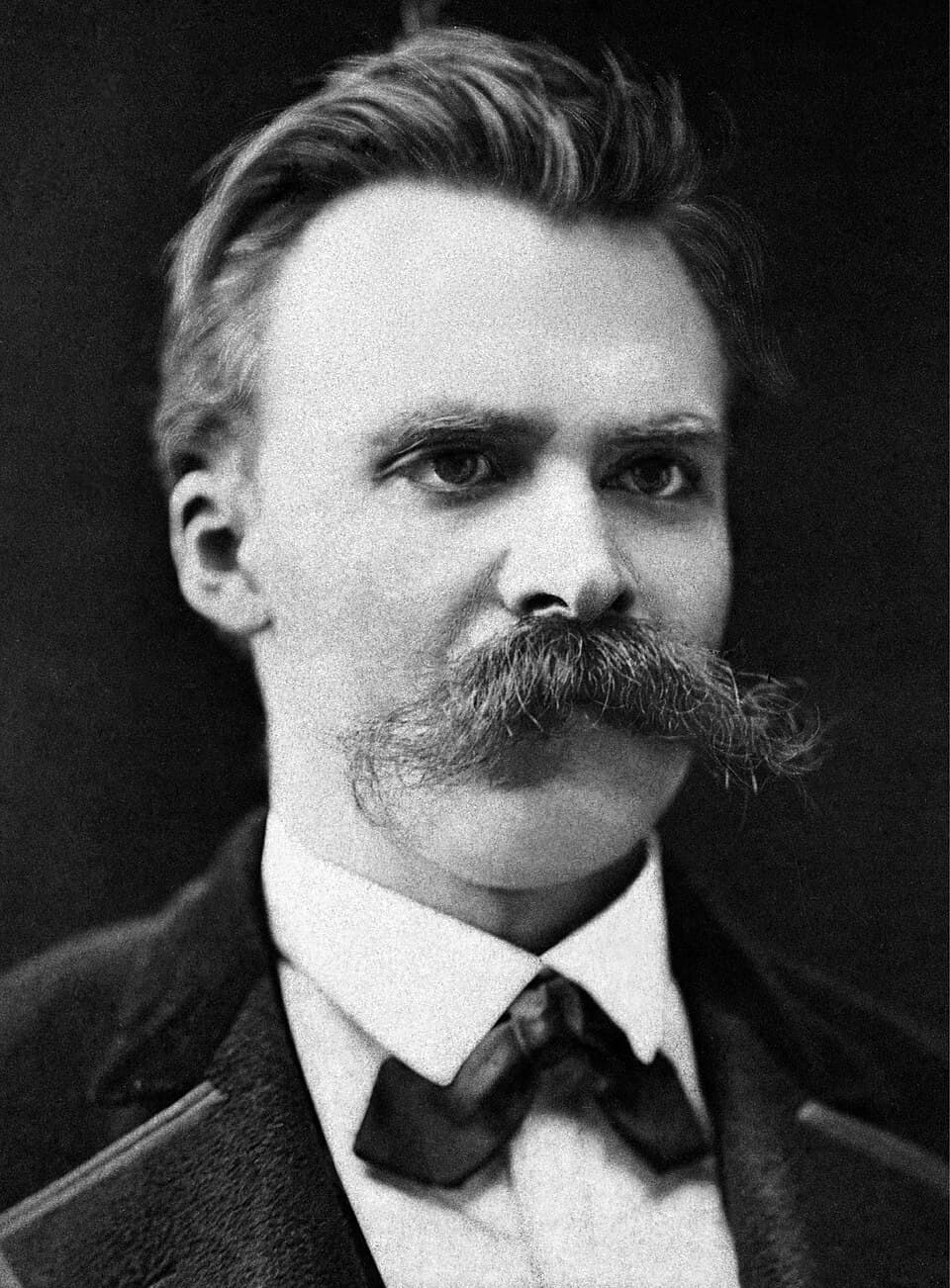
Friedrich Nietzsche
Thus Spake ZarathustraA vision of a free life available to 'great souls' who embrace solitude and moderate poverty, suggesting that true independence is found by minimizing one's possessions and social entanglements.
...ttimes also the throne on filth. Madmen they all seem to me, and clambering apes, and too eager. Badly smelleth their idol to me, the cold monster: badly they all smell to me, these idolaters. My brethren, will ye suffocate in the fumes of their maws and appetites! Better break the windows and jump into the open air! Do go out of the way of the bad odour! Withdraw from the idolatry of the superfluous! Do go out of the way of the bad odour! Withdraw from the steam of these human sacrifices!
Open still remaineth the earth for great souls. Empty are still many sites for lone ones and twain ones, around which floateth the odour of tranquil seas. Open still remaineth a free life for great souls. Verily, he who possesseth little is so much the less possessed: blessed be moderate poverty!
There, where the state ceaseth—there only commenceth the man who is not superfluous: there commenceth the song of the necessary ones, the single and irreplaceable melody. There, where the state CEASETH—pray look thither, my brethren! Do ye not see it, the rainbow and the bridges of the Superman?— Thus spake Zarathustra. XII. THE FLIES IN THE MARKET-PLACE. Flee, my friend, into thy solitude! I see thee deafened with the noise of the great men, and stung all over with the stings of the l...
2