The River of Justice
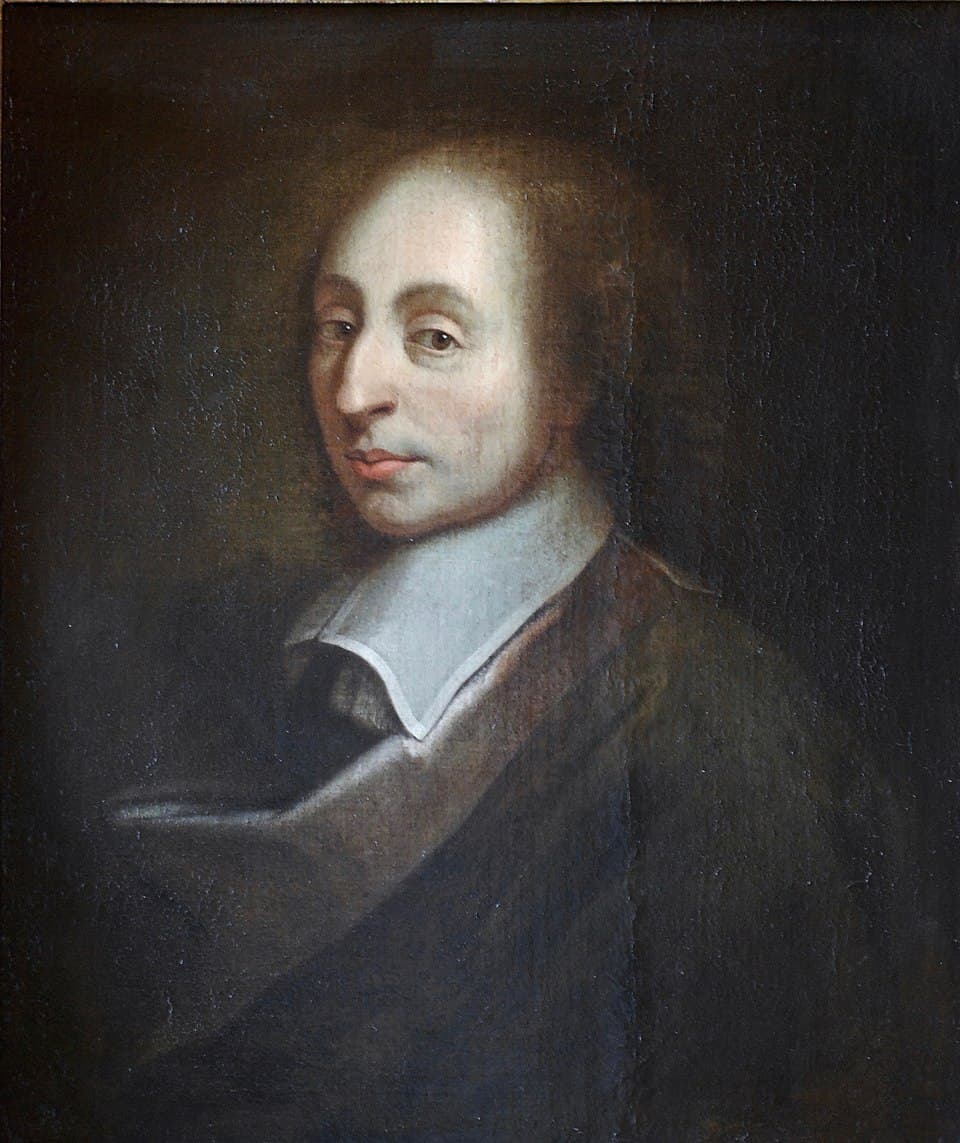
Blaise Pascal
Pensees

Pascal satirizes the absurdity of moral relativism and nationalism, noting how the morality of murder is often determined solely by geographical boundaries.

...t is certain that there is no ground for laughing at those who follow it. 290 Proofs of religion.--Morality, Doctrine, Miracles, Prophecies, Types. SECTION V JUSTICE AND THE REASON OF EFFECTS 291 In the letter On Injustice can come the ridiculousness of the law that the elder gets all. "My friend, you were born on this side of the mountain, it is therefore just that your elder brother gets everything." "Why do you kill me?" 292 He lives on the other side of the water. 293
"Why do you kill me? What! do you not live on the other side of the water? If you lived on this side, my friend, I should be an assassin, and it would be unjust to slay you in this manner. But since you live on the other side, I am a hero, and it is just."
294 On what shall man found the order of the world which he would govern?[109] Shall it be on the caprice of each individual? What confusion! Shall it be on justice? Man is ignorant of it. Certainly had he known it, he would not have established this maxim, the most general of all that obtain among men, that each should follow the custom of his own country. The glory of true equity would have brought all nations under subjection, and legislators would not have taken as their model the fanc...
2
Religious Conviction's Dark Power
Blaise Pascal
Pensees

The author observes that the most absolute and joyful forms of evil are committed when individuals believe their actions are sanctioned by religious duty.

...rsity is useless to others; diversity without uniformity is ruinous for us. The one is harmful outwardly; the other inwardly. 892 By showing the truth, we cause it to be believed; but by showing the injustice of ministers, we do not correct it. Our mind is assured by a proof of falsehood; our purse is not made secure by proof of injustice. 893 Those who love the Church lament to see the corruption of morals; but laws at least exist. But these corrupt the laws. The model is damaged. 894
Men never do evil so completely and cheerfully as when they do it from religious conviction.
895 It is in vain that the Church has established these words, anathemas, heresies, etc. They are used against her. 896 The servant knoweth not what his lord doeth, for the master tells him only the act and not the intention.[368] And this is why he often obeys slavishly, and defeats the intention. But Jesus Christ has told us the object. And you defeat that object. 897 They cannot have perpetuity, and they seek universality; and therefore they make the whole Church corrupt, that they...
6
The Body's Unfelt Bliss
Blaise Pascal
Pensees

Pascal envisions humanity as a collective body of thinking members whose true happiness and duty lie in submitting to the universal soul rather than selfishly retaining resources for themselves.

...le deaths of the Lacedæmonians and others scarce touch us. For what good is it to us? But the example of the death of the martyrs touches us; for they are "our members." We have a common tie with them. Their resolution can form ours, not only by example, but because it has perhaps deserved ours. There is nothing of this in the examples of the heathen. We have no tie with them; as we do not become rich by seeing a stranger who is so, but in fact by seeing a father or a husband who is so. 482
Morality.--God having made the heavens and the earth, which do not feel the happiness of their being, He has willed to make beings who should know it, and who should compose a body of thinking members. For our members do not feel the happiness of their union, of their wonderful intelligence, of the care which has been taken to infuse into them minds, and to make them grow and endure. How happy they would be if they saw and felt it! But for this they would need to have intelligence to know it, and good-will to consent to that of the universal soul. But if, having received intelligence, they employed it to retain nourishment for themselves…
483 To be a member is to have neither life, being, nor movement, except through the spirit of the body, and for the body. The separate member, seeing no longer the body to which it belongs, has only a perishing and dying existence. Yet it believes it is a whole, and seeing not the body on which it depends, it believes it depends only on self, and desires to make itself both centre and body. But not having in itself a principle of life, it only goes astray, and is astonished in the uncertain...
Continue reading →
2
Violence's Moral Contagion
Blaise Pascal
Pensees

This thesis critiques the use of violence against the wicked, suggesting that killing to eliminate evil only succeeds in doubling the amount of wickedness in the world.

...d that is why it is important to choose good guides. Thus they will be doubly culpable, both in having followed ways which they should not have followed, and in having listened to teachers to whom they should not have listened. 909 Can it be anything but compliance with the world which makes you find things probable? Will you make us believe that it is truth, and that if duelling were not the fashion, you would find it probable that they might fight, considering the matter in itself? 910
Must we kill to prevent there being any wicked? This is to make both parties wicked instead of one.
Vince in bono malum.[374] (Saint Augustine.) 911 Universal.--Ethics and language are special, but universal sciences. 912 Probability.--Each one can employ it; no one can take it away. 913 They allow lust to act, and check scruples; whereas they should do the contrary. 914 Montalte.[375]--Lax opinions please men so much, that it is strange that theirs displease. It is because they have exceeded all bounds. Again, there are many people who see the truth, and who cannot attain...
6
Theatre's Dangerous Innocence
Blaise Pascal
Pensees

Pascal warns against the dangers of the theatre, arguing that its delicate representation of the passions can deceptively stir the hearts of even virtuous souls and lead them toward vice.

...he was not mistaken, and that he only failed to see all sides. Now, no one is offended at not seeing everything; but one does not like to be mistaken, and that perhaps arises from the fact that man naturally cannot see everything, and that naturally he cannot err in the side he looks at, since the perceptions of our senses are always true. 10 People are generally better persuaded by the reasons which they have themselves discovered than by those which have come into the mind of others. 11
All great amusements are dangerous to the Christian life; but among all those which the world has invented there is none more to be feared than the theatre. It is a representation of the passions so natural and so delicate that it excites them and gives birth to them in our hearts, and, above all, to that of love, principally when it is represented as very chaste and virtuous. For the more innocent it appears to innocent souls, the more they are likely to be touched by it. Its violence pleases our self-love, which immediately forms a desire to produce the same effects which are seen so well represented; and, at the same time, we make…
So we depart from the theatre with our heart so filled with all the beauty and tenderness of love, the soul and the mind so persuaded of its innocence, that we are quite ready to receive its first impressions, or rather to seek an opportunity of awakening them in the heart of another, in order that we may receive the same pleasures and the same sacrifices which we have seen so well represented in the theatre. 12 Scaramouch,[5] who only thinks of one thing. The doctor,[6] who speaks for a q...
Continue reading →
4