Mind and Automaton
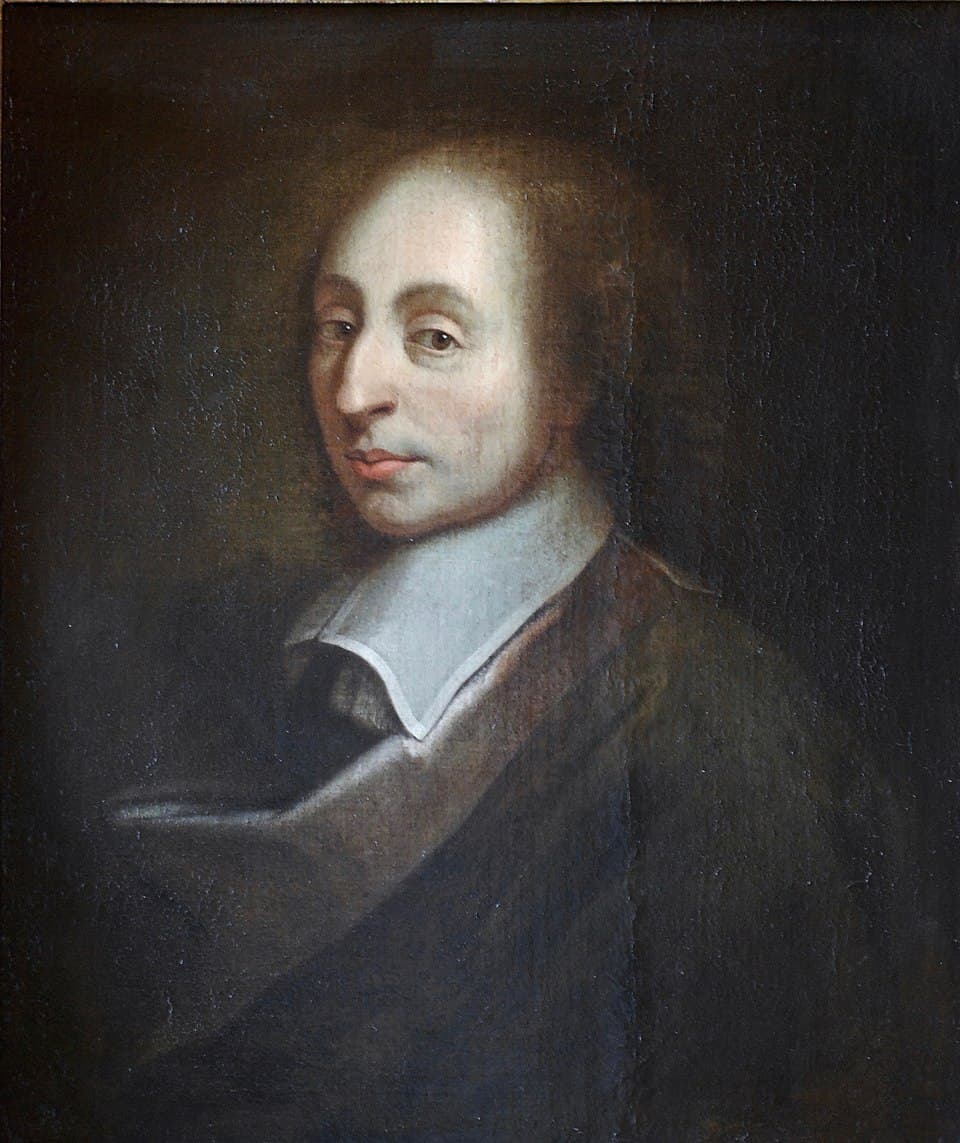
Blaise Pascal
PenseesThe author emphasizes that faith must engage both the mind through reason and the 'automaton' through custom, ultimately arguing that the heart's immediate feeling is a more reliable guide than slow, wandering reason.
...ived among Christians than among Turks.) Finally, we must have recourse to it when once the mind has seen where the truth is, in order to quench our thirst, and steep ourselves in that belief, which escapes us at every hour; for always to have proofs ready is too much trouble. We must get an easier belief, which is that of custom, which, without violence, without art, without argument, makes us believe things, and inclines all our powers to this belief, so that out soul falls naturally into it.
It is not enough to believe only by force of conviction, when the automaton is inclined to believe the contrary. Both our parts must be made to believe, the mind by reasons which it is sufficient to have seen once in a lifetime, and the automaton by custom, and by not allowing it to incline to the contrary. Inclina cor meum, Deus. The reason acts slowly, with so many examinations, and on so many principles, which must be always present, that at every hour it falls asleep, or wanders, through want of having all its principles present. Feeling does not act thus; it acts in a moment, and is always ready to act. We must then put our faith in…
otherwise it will be always vacillating. 253 Two extremes: to exclude reason, to admit reason only. 254 It is not a rare thing to have to reprove the world for too much docility. It is a natural vice like credulity, and as pernicious. Superstition. 255 Piety is different from superstition. To carry piety as far as superstition is to destroy it. The heretics reproach us for this superstitious submission. This is to do what they reproach us for ... Infidelity, not to believe in the Eu...
Continue reading →
3