Wish vs. Choice
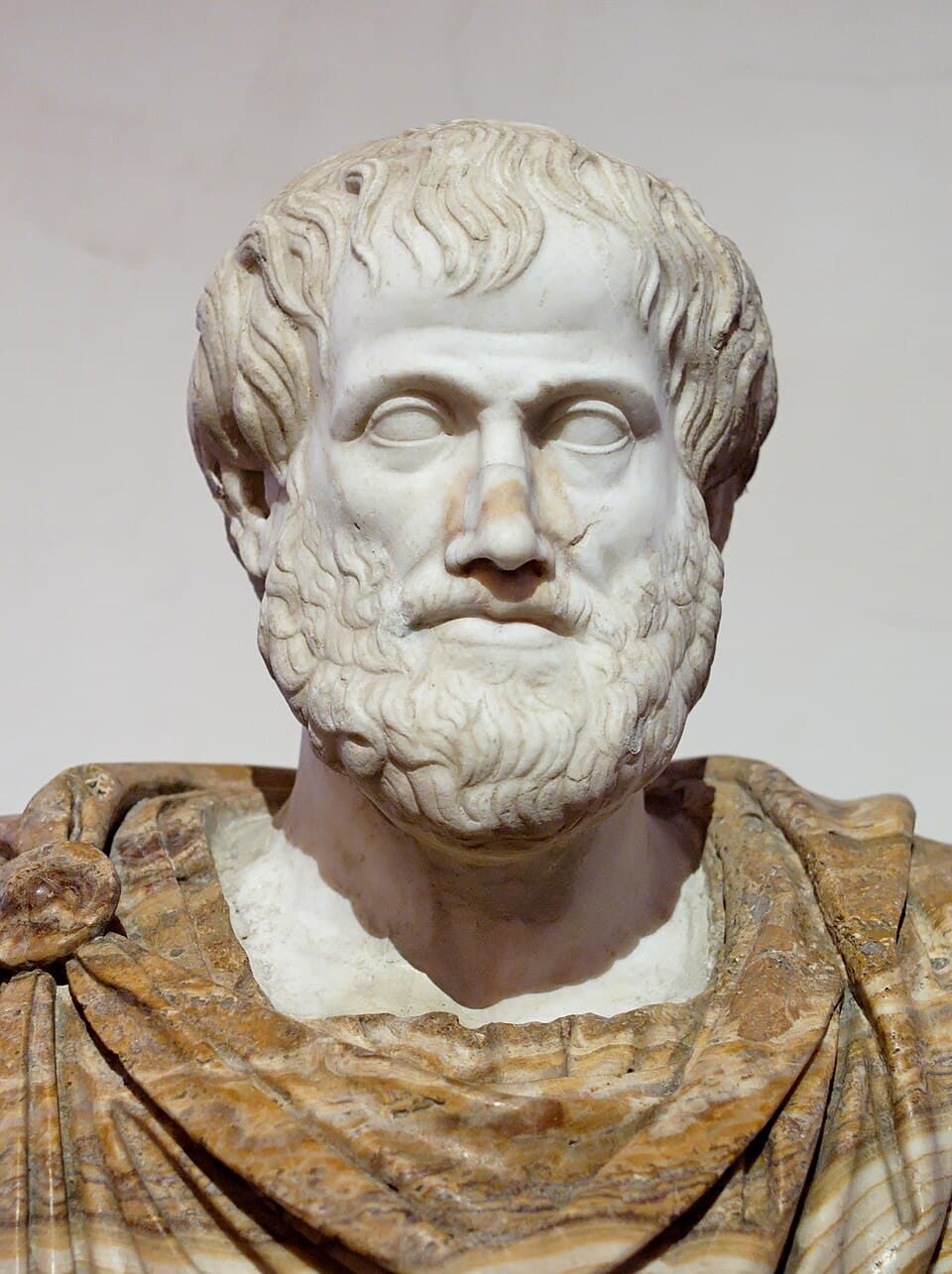
Aristotle
Nicomachean Ethics

The author differentiates between wishing for an end and choosing the means, asserting that choice is limited to things within an individual's power.

...e, in the first place, Moral Choice has not for its objects impossibilities, and if a man were to say he chose them he would be thought to be a fool; but Wish may have impossible things for its objects, immortality for instance. Wish again may be exercised on things in the accomplishment of which one’s self could have nothing to do, as the success of any particular actor or athlete; but no man chooses things of this nature, only such as he believes he may himself be instrumental in procuring.
Further: Wish has for its object the End rather, but Moral Choice the means to the End; for instance, we wish to be healthy but we choose the means which will make us so; or happiness again we wish for, and commonly say so, but to say we choose is not an appropriate term, because, in short, the province of Moral Choice seems to be those things which are in our own power.
Neither can it be Opinion; for Opinion is thought to be unlimited in its range of objects, and to be exercised as well upon things eternal and impossible as on those which are in our own power: again, Opinion is logically divided into true and false, not into good and bad as Moral Choice is. However, nobody perhaps maintains its identity with Opinion simply; but it is not the same with opinion of any kind,[8] because by choosing good and bad things we are constituted of a certain character, b...
4
True Courage's Motive
Aristotle
Nicomachean Ethics

The text distinguishes true courage, which is motivated by honor and moral choice, from the mere animal spirit or pain-driven aggression found in beasts and the profligate.

...hey are thought to be Brave who are carried on by mere Animal Spirit, as are wild beasts against those who have wounded them, because in fact the really Brave have much Spirit, there being nothing like it for going at danger of any kind; whence those frequent expressions in Homer, “infused strength into his spirit,” “roused his strength and spirit,” or again, “and keen strength in his nostrils,” “his blood boiled:” for all these seem to denote the arousing and impetuosity of the Animal Spirit.
Now they that are truly Brave act from a sense of honour, and this Animal Spirit co-operates with them; but wild beasts from pain, that is because they have been wounded, or are frightened; since if they are quietly in their own haunts, forest or marsh, they do not attack men. Surely they are not Brave because they rush into danger when goaded on by pain and mere Spirit, without any view of the danger: else would asses be Brave when they are hungry, for though beaten they will not then leave their pasture: profligate men besides do many bold actions by reason of their lust. We may conclude then that they are not Brave who are goaded on to…
So men also are pained by a feeling of anger, and take pleasure in revenge; but they who fight from these causes may be good fighters, but they are not truly Brave (in that they do not act from a sense of honour, nor as reason directs, but merely from the present feeling), still they bear some resemblance to that character. Nor, again, are the Sanguine and Hopeful therefore Brave: since their boldness in dangers arises from their frequent victories over numerous foes. The two characters are a...
Continue reading →
6
Wisdom's Moral Core
Aristotle
Nicomachean Ethics

The author distinguishes between cleverness and practical wisdom, noting that while both require intellectual skill, only the latter is inseparable from moral virtue.

...ng against Right Reason on the impulse of bodily pleasures, but then the former has bad desires, the latter not; and the latter is so constituted as not even to feel pleasure contrary to his Reason, the former feels but does not yield to it. Like again are the man of Imperfect Self-Control and he who is utterly destitute of it, though in reality distinct: both follow bodily pleasures, but the latter under a notion that it is the proper line for him to take, his former without any such notion.
And it is not possible for the same man to be at once a man of Practical Wisdom and of Imperfect Self-Control: because the character of Practical Wisdom includes, as we showed before, goodness of moral character. And again, it is not knowledge merely, but aptitude for action, which constitutes Practical Wisdom: and of this aptitude the man of Imperfect Self-Control is destitute. But there is no reason why the Clever man should not be of Imperfect Self-Control: and the reason why some men are occasionally thought to be men of Practical Wisdom, and yet of Imperfect Self-Control, is this, that Cleverness differs from Practical Wisdom in the way…
Nor is the man of Imperfect Self-Control like the man who both has and calls into exercise his knowledge, but like the man who, having it, is overpowered by sleep or wine. Again, he acts voluntarily (because he knows, in a certain sense, what he does and the result of it), but he is not a confirmed bad man, for his moral choice is good, so he is at all events only half bad. Nor is he unjust, because he does not act with deliberate intent: for of the two chief forms of the character, the one is...
Continue reading →
2
The Deliberate Will
Aristotle
Nicomachean Ethics

Moral choice is defined as a deliberate desire for things within our power, serving as the calculated means to achieve specific ends.

...10] because by object of Moral Choice is denoted that which after Deliberation has been preferred to something else: for each man leaves off searching how he shall do a thing when he has brought the origination up to himself, i.e. to the governing principle in himself,[11] because it is this which makes the choice. A good illustration of this is furnished by the old regal constitutions which Homer drew from, in which the Kings would announce to the commonalty what they had determined before.
Now since that which is the object of Moral Choice is something in our own power, which is the object of deliberation and the grasping of the Will, Moral Choice must be “a grasping after something in our own power consequent upon Deliberation:” because after having deliberated we decide, and then grasp by our Will in accordance with the result of our deliberation. Let this be accepted as a sketch of the nature and object of Moral Choice, that object being “Means to Ends.”
Chapter VI. That Wish has for its object-matter the End, has been already stated; but there are two opinions respecting it; some thinking that its object is real good, others whatever impresses the mind with a notion of good. Now those who maintain that the object of Wish is real good are beset by this difficulty, that what is wished for by him who chooses wrongly is not really an object of Wish (because, on their theory, if it is an object of wish, it must be good, but it is, in the case s...
6
Ignorance of Details
Aristotle
Nicomachean Ethics

The author distinguishes between ignorance of general principles, which is blameworthy, and ignorance of specific details, which renders an act involuntary.

...s a real difference it is better to have a proper name. Again, there seems to be a difference between acting because of ignorance and acting with ignorance: for instance, we do not usually assign ignorance as the cause of the actions of the drunken or angry man, but either the drunkenness or the anger, yet they act not knowingly but with ignorance. Again, every bad man is ignorant what he ought to do and what to leave undone, and by reason of such error men become unjust and wholly evil.
Again, we do not usually apply the term involuntary when a man is ignorant of his own true interest; because ignorance which affects moral choice constitutes depravity but not involuntariness: nor does any ignorance of principle (because for this men are blamed) but ignorance in particular details, wherein consists the action and wherewith it is concerned, for in these there is both compassion and allowance, because he who acts in ignorance of any of them acts in a proper sense involuntarily.
It may be as well, therefore, to define these particular details; what they are, and how many; viz. who acts, what he is doing, with respect to what or in what, sometimes with what, as with what instrument, and with what result;[4] as that of preservation, for instance, and how, as whether softly or violently. All these particulars, in one and the same case, no man in his senses could be ignorant of; plainly not of the agent, being himself. But what he is doing a man may be ignorant, as men i...
6