Giving's Superior Virtue
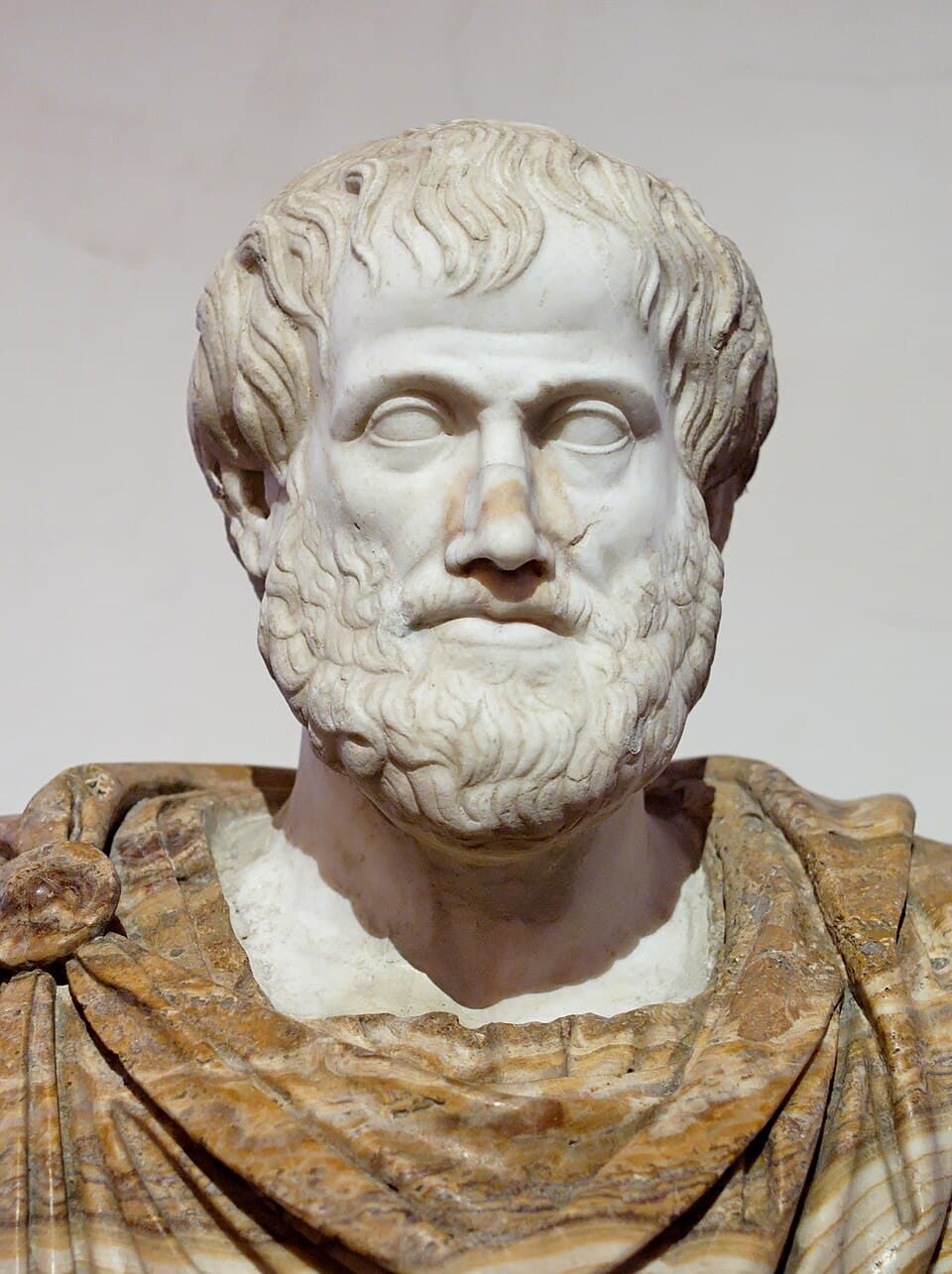
Aristotle
Nicomachean Ethics

Aristotle argues that virtue is more clearly demonstrated through active giving and honorable deeds than through the passive receipt of benefits.

...uses each particular thing best who has the virtue to whose province it belongs: so that he will use Wealth best who has the virtue respecting Wealth, that is to say, the Liberal man. Expenditure and giving are thought to be the using of money, but receiving and keeping one would rather call the possessing of it. And so the giving to proper persons is more characteristic of the Liberal man, than the receiving from proper quarters and forbearing to receive from the contrary. In fact generally,
Doing well by others is more characteristic of virtue than being done well by, and doing things positively honourable than forbearing to do things dishonourable; and any one may see that the doing well by others and doing things positively honourable attaches to the act of giving, but to that of receiving only the being done well by or forbearing to do what is dishonourable. Besides, thanks are given to him who gives, not to him who merely forbears to receive, and praise even more.
Again, forbearing to receive is easier than giving, the case of being too little freehanded with one’s own being commoner than taking that which is not one’s own. And again, it is they who give that are denominated Liberal, while they who forbear to receive are commended, not on the score of Liberality but of just dealing, while for receiving men are not, in fact, praised at all. And the Liberal are liked almost best of all virtuous characters, because they are profitable to others, and this...
6
Honor vs Profit
Aristotle
Nicomachean Ethics

The text advises that when one receives a benefit from someone who is not a disinterested friend, one should still attempt to make a proportionate and willing return.

...no actions can be maintained at Law for the recovery of such debts, it being held that they who have dealt on the footing of credit must be content to abide the issue. That which may be termed the Moral kind is not upon specified conditions, but a man gives as to his friend and so on: but still he expects to receive an equivalent, or even more, as though he had not given but lent: he also will find fault, because he does not get the obligation discharged in the same way as it was contracted.
Now this results from the fact, that all men, or the generality at least, wish what is honourable, but, when tested, choose what is profitable; and the doing kindnesses disinterestedly is honourable while receiving benefits is profitable. In such cases one should, if able, make a return proportionate to the good received, and do so willingly, because one ought not to make a disinterested friend of a man against his inclination: one should act, I say, as having made a mistake originally in receiving kindness from one from whom one ought not to have received it, he being not a friend nor doing the act disinterestedly;
one should therefore discharge one’s self of the obligation as having received a kindness on specified terms: and if able a man would engage to repay the kindness, while if he were unable even the doer of it would not expect it of him: so that if he is able he ought to repay it. But one ought at the first to ascertain from whom one is receiving kindness, and on what understanding, that on that same understanding one may accept it or not. A question admitting of dispute is whether one is to mea...
4
Giving's Superior Virtue
Aristotle
Nicomachean Ethics

The author asserts that virtue is more clearly expressed through active giving and honorable deeds than through passive receiving.

...s to this class. He uses each particular thing best who has the virtue to whose province it belongs: so that he will use Wealth best who has the virtue respecting Wealth, that is to say, the Liberal man. Expenditure and giving are thought to be the using of money, but receiving and keeping one would rather call the possessing of it. And so the giving to proper persons is more characteristic of the Liberal man, than the receiving from proper quarters and forbearing to receive from the contrary.
In fact generally, doing well by others is more characteristic of virtue than being done well by, and doing things positively honourable than forbearing to do things dishonourable; and any one may see that the doing well by others and doing things positively honourable attaches to the act of giving, but to that of receiving only the being done well by or forbearing to do what is dishonourable.
Besides, thanks are given to him who gives, not to him who merely forbears to receive, and praise even more. Again, forbearing to receive is easier than giving, the case of being too little freehanded with one’s own being commoner than taking that which is not one’s own. And again, it is they who give that are denominated Liberal, while they who forbear to receive are commended, not on the score of Liberality but of just dealing, while for receiving men are not, in fact, praised at all. And...
5
The Great-Minded Summit
Aristotle
Nicomachean Ethics

Aristotle defines the 'Great-minded man' as one who correctly estimates his own high value and identifies honor as the greatest of all external goods.

...ion while small people are neat and well made but not beautiful. Again, he who values himself highly without just grounds is a Vain man: though the name must not be applied to every case of unduly high self-estimation. He that values himself below his real worth is Small-minded, and whether that worth is great, moderate, or small, his own estimate falls below it. And he is the strongest case of this error who is really a man of great worth, for what would he have done had his worth been less?
The Great-minded man is then, as far as greatness is concerned, at the summit, but in respect of propriety he is in the mean, because he estimates himself at his real value (the other characters respectively are in excess and defect). Since then he justly estimates himself at a high, or rather at the highest possible rate, his character will have respect specially to one thing: this term “rate” has reference of course to external goods: and of these we should assume that to be the greatest which we attribute to the gods, and which is the special object of desire to those who are in power, and which is the prize proposed to the most honourable…
So the Great-minded man bears himself as he ought in respect of honour and dishonour. In fact, without need of words, the Great-minded plainly have honour for their object-matter: since honour is what the great consider themselves specially worthy of, and according to a certain rate. The Small-minded man is deficient, both as regards himself, and also as regards the estimation of the Great-minded: while the Vain man is in excess as regards himself, but does not get beyond the Great-minded man....
Continue reading →
5
The Enduring Benefactor
Aristotle
Nicomachean Ethics

The author distinguishes between types of pleasure, claiming that the pleasure of the benefactor is more enduring because it is tied to the lasting nature of an honorable work.

..., by his act of working: therefore he loves his work because he loves existence. And this is natural, for the work produced displays in act what existed before potentially. Then again, the benefactor has a sense of honour in right of his action, so that he may well take pleasure in him in whom this resides; but to him who has received the benefit there is nothing honourable in respect of his benefactor, only something advantageous which is both less pleasant and less the object of Friendship.
Again, pleasure is derived from the actual working out of a present action, from the anticipation of a future one, and from the recollection of a past one: but the highest pleasure and special object of affection is that which attends on the actual working. Now the benefactor’s work abides (for the honourable is enduring), but the advantage of him who has received the kindness passes away. Again, there is pleasure in recollecting honourable actions, but in recollecting advantageous ones there is none at all or much less (by the way though, the contrary is true of the expectation of advantage).
Further, the entertaining the feeling of Friendship is like acting on another; but being the object of the feeling is like being acted upon. So then, entertaining the sentiment of Friendship, and all feelings connected with it, attend on those who, in the given case of a benefaction, are the superior party. Once more: all people value most what has cost them much labour in the production; for instance, people who have themselves made their money are fonder of it than those who have inherited...
4