Miracles Over Scripture
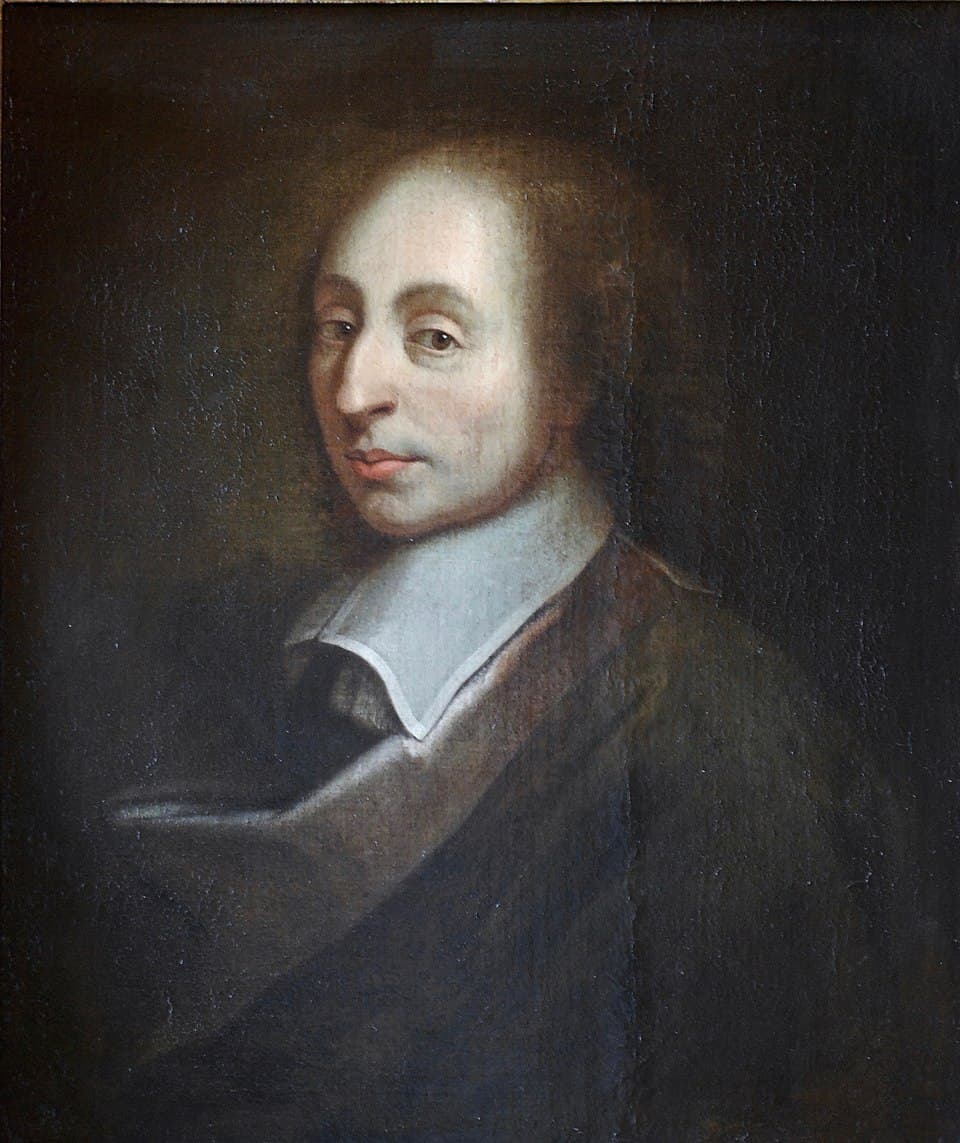
Blaise Pascal
PenseesA discussion on how Jesus Christ validated his divinity and authority through miracles, which serve as proof of his power to remit sins and fulfill prophecy.
...ural power of the means which are employed for it. Thus, those who heal by invocation of the devil do not work a miracle; for that does not exceed the natural power of the devil. But ... 804 The two fundamentals; one inward, the other outward; grace and miracles; both supernatural. 805 Miracles and truth are necessary, because it is necessary to convince the entire man, in body and soul. 806 In all times, either men have spoken of the true God, or the true God has spoken to men. 807
Jesus Christ has verified that He was the Messiah, never in verifying His doctrine by Scripture and the prophecies, but always by His miracles. He proves by a miracle that He remits sins. Rejoice not in your miracles, said Jesus Christ, but because your names are written in heaven. If they believe not Moses, neither will they believe one risen from the dead.
Nicodemus recognises by His miracles that His teaching is of God. Scimus quia venisti a Deo magister; nemo enim potest hæc signa facere quæ tu facis nisi Deus fuerit cum eo.[320] He does not judge of the miracles by the teaching, but of the teaching by the miracles. The Jews had a doctrine of God as we have one of Jesus Christ, and confirmed by miracles. They were forbidden to believe every worker of miracles; and they were further commanded to have recourse to the chief priests, and to rel...
4