20 of 29 in Section IV OF THE MEANS OF BELIEF157 of 448 in work
Reason's Necessary Limits
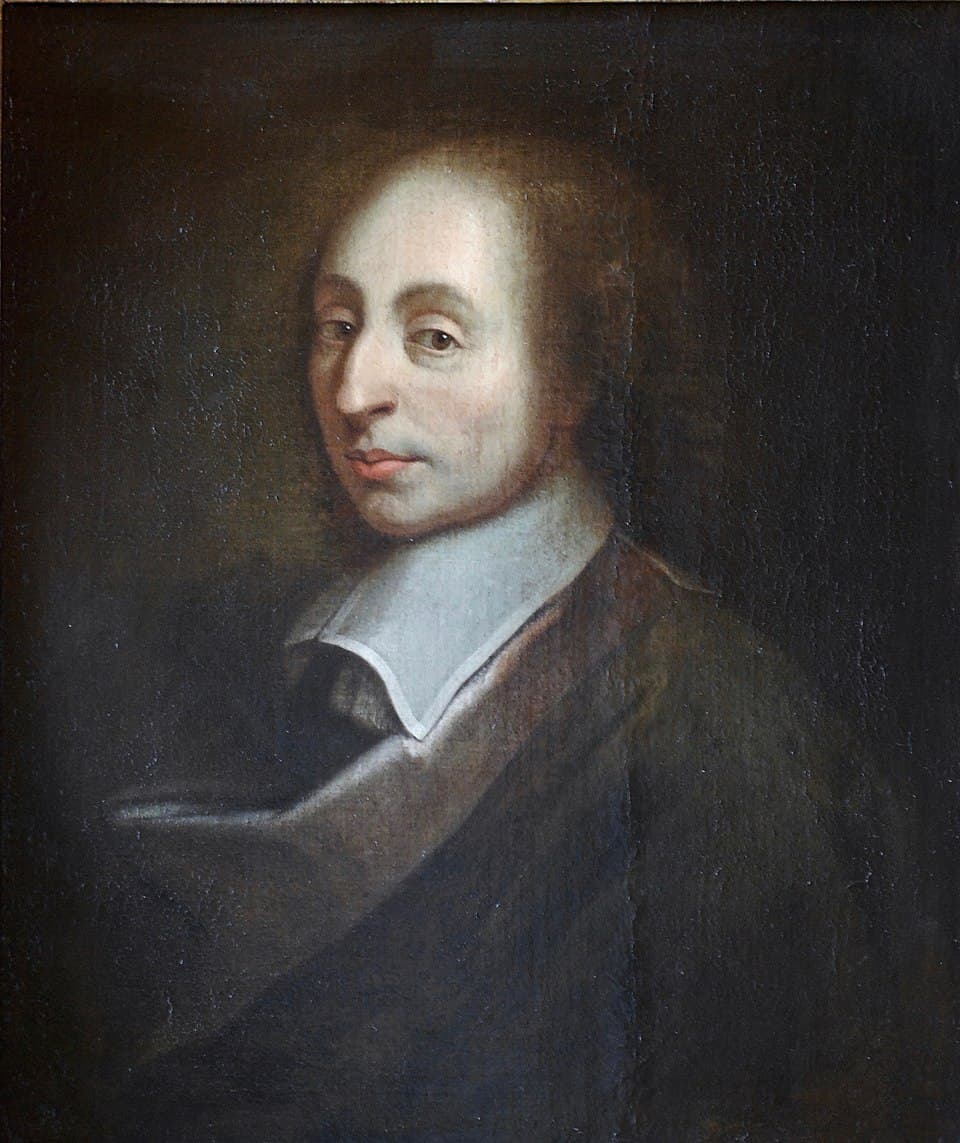
Blaise Pascal
Pensees

Pascal argues for a balance between faith and intellect, suggesting that reason's highest act is recognizing its own limits in the face of the supernatural.

...ing everything, from want of knowing where to submit; or by submitting in everything, from want of knowing where they must judge. 269 Submission is the use of reason in which consists true Christianity. 270 St. Augustine.[104]--Reason would never submit, if it did not judge that there are some occasions on which it ought to submit. It is then right for it to submit, when it judges that it ought to submit. 271 Wisdom sends us to childhood. Nisi efficiamini sicut parvuli.[105] 272
There is nothing so conformable to reason as this disavowal of reason. 273 If we submit everything to reason, our religion will have no mysterious and supernatural element. If we offend the principles of reason, our religion will be absurd and ridiculous.
274 All our reasoning reduces itself to yielding to feeling. But fancy is like, though contrary to feeling, so that we cannot distinguish between these contraries. One person says that my feeling is fancy, another that his fancy is feeling. We should have a rule. Reason offers itself; but it is pliable in every sense; and thus there is no rule. 275 Men often take their imagination for their heart; and they believe they are converted as soon as they think of being converted. 276 M. de...
4
21 of 29 in Section IV OF THE MEANS OF BELIEF158 of 448 in work
Reason's Pliable Nature
Blaise Pascal
Pensees

Pascal observes that while all reasoning eventually yields to feeling, the lack of a clear rule makes it difficult to distinguish between genuine intuitive feeling and mere subjective fancy.

...it did not judge that there are some occasions on which it ought to submit. It is then right for it to submit, when it judges that it ought to submit. 271 Wisdom sends us to childhood. Nisi efficiamini sicut parvuli.[105] 272 There is nothing so conformable to reason as this disavowal of reason. 273 If we submit everything to reason, our religion will have no mysterious and supernatural element. If we offend the principles of reason, our religion will be absurd and ridiculous. 274
All our reasoning reduces itself to yielding to feeling. But fancy is like, though contrary to feeling, so that we cannot distinguish between these contraries. One person says that my feeling is fancy, another that his fancy is feeling. We should have a rule. Reason offers itself; but it is pliable in every sense; and thus there is no rule.
275 Men often take their imagination for their heart; and they believe they are converted as soon as they think of being converted. 276 M. de Roannez said: "Reasons come to me afterwards, but at first a thing pleases or shocks me without my knowing the reason, and yet it shocks me for that reason which I only discover afterwards." But I believe, not that it shocked him for the reasons which were found afterwards, but that these reasons were only found because it shocks him. 277 The hea...
6
22 of 29 in Section IV OF THE MEANS OF BELIEF159 of 448 in work
Heart's Unknowable Reasons
Blaise Pascal
Pensees

Pascal argues that the heart possesses its own intuitive logic independent of reason, naturally inclining toward the divine or the self through feeling rather than intellectual deduction.

...o rule. 275 Men often take their imagination for their heart; and they believe they are converted as soon as they think of being converted. 276 M. de Roannez said: "Reasons come to me afterwards, but at first a thing pleases or shocks me without my knowing the reason, and yet it shocks me for that reason which I only discover afterwards." But I believe, not that it shocked him for the reasons which were found afterwards, but that these reasons were only found because it shocks him. 277
The heart has its reasons, which reason does not know. We feel it in a thousand things. I say that the heart naturally loves the Universal Being, and also itself naturally, according as it gives itself to them; and it hardens itself against one or the other at its will. You have rejected the one, and kept the other. Is it by reason that you love yourself?
278 It is the heart which experiences God, and not the reason. This, then, is faith: God felt by the heart, not by the reason. 279 Faith is a gift of God; do not believe that we said it was a gift of reasoning. Other religions do not say this of their faith. They only gave reasoning in order to arrive at it, and yet it does not bring them to it. 280 The knowledge of God is very far from the love of Him. 281 Heart, instinct, principles. 282 We know truth, not only by the reason, b...
2
23 of 29 in Section IV OF THE MEANS OF BELIEF160 of 448 in work
Faith Beyond Reason
Blaise Pascal
Pensees

Pascal defines faith as a divine gift felt by the heart rather than a product of logical reasoning, contrasting this intuitive experience of God with the failed intellectualism of other religions.

...that it shocked him for the reasons which were found afterwards, but that these reasons were only found because it shocks him. 277 The heart has its reasons, which reason does not know. We feel it in a thousand things. I say that the heart naturally loves the Universal Being, and also itself naturally, according as it gives itself to them; and it hardens itself against one or the other at its will. You have rejected the one, and kept the other. Is it by reason that you love yourself? 278
It is the heart which experiences God, and not the reason. This, then, is faith: God felt by the heart, not by the reason. 279 Faith is a gift of God; do not believe that we said it was a gift of reasoning. Other religions do not say this of their faith. They only gave reasoning in order to arrive at it, and yet it does not bring them to it.
280 The knowledge of God is very far from the love of Him. 281 Heart, instinct, principles. 282 We know truth, not only by the reason, but also by the heart, and it is in this last way that we know first principles; and reason, which has no part in it, tries in vain to impugn them. The sceptics, who have only this for their object, labour to no purpose. We know that we do not dream, and however impossible it is for us to prove it by reason, this inability demonstrates only the weakness...
2
24 of 29 in Section IV OF THE MEANS OF BELIEF161 of 448 in work
Heart's First Principles
Blaise Pascal
Pensees

The author argues that fundamental truths and first principles are known through the 'heart' or intuition rather than reason, providing a certain foundation that skepticism cannot undermine.

...Is it by reason that you love yourself? 278 It is the heart which experiences God, and not the reason. This, then, is faith: God felt by the heart, not by the reason. 279 Faith is a gift of God; do not believe that we said it was a gift of reasoning. Other religions do not say this of their faith. They only gave reasoning in order to arrive at it, and yet it does not bring them to it. 280 The knowledge of God is very far from the love of Him. 281 Heart, instinct, principles. 282
We know truth, not only by the reason, but also by the heart, and it is in this last way that we know first principles; and reason, which has no part in it, tries in vain to impugn them. The sceptics, who have only this for their object, labour to no purpose. We know that we do not dream, and however impossible it is for us to prove it by reason, this inability demonstrates only the weakness of our reason, but not, as they affirm, the uncertainty of all our knowledge. For the knowledge of first principles, as space, time, motion, number, is as sure as any of those which we get from reasoning. And reason must trust these intuitions of the…
(We have intuitive knowledge of the tri-dimensional nature of space, and of the infinity of number, and reason then shows that there are no two square numbers one of which is double of the other. Principles are intuited, propositions are inferred, all with certainty, though in different ways.) And it is as useless and absurd for reason to demand from the heart proofs of her first principles, before admitting them, as it would be for the heart to demand from reason an intuition of all demonstrat...
Continue reading →
5