11 of 27 in Section XIV APPENDIX: POLEMICAL FRAGMENTS432 of 448 in work
Church's Unchangeable Present
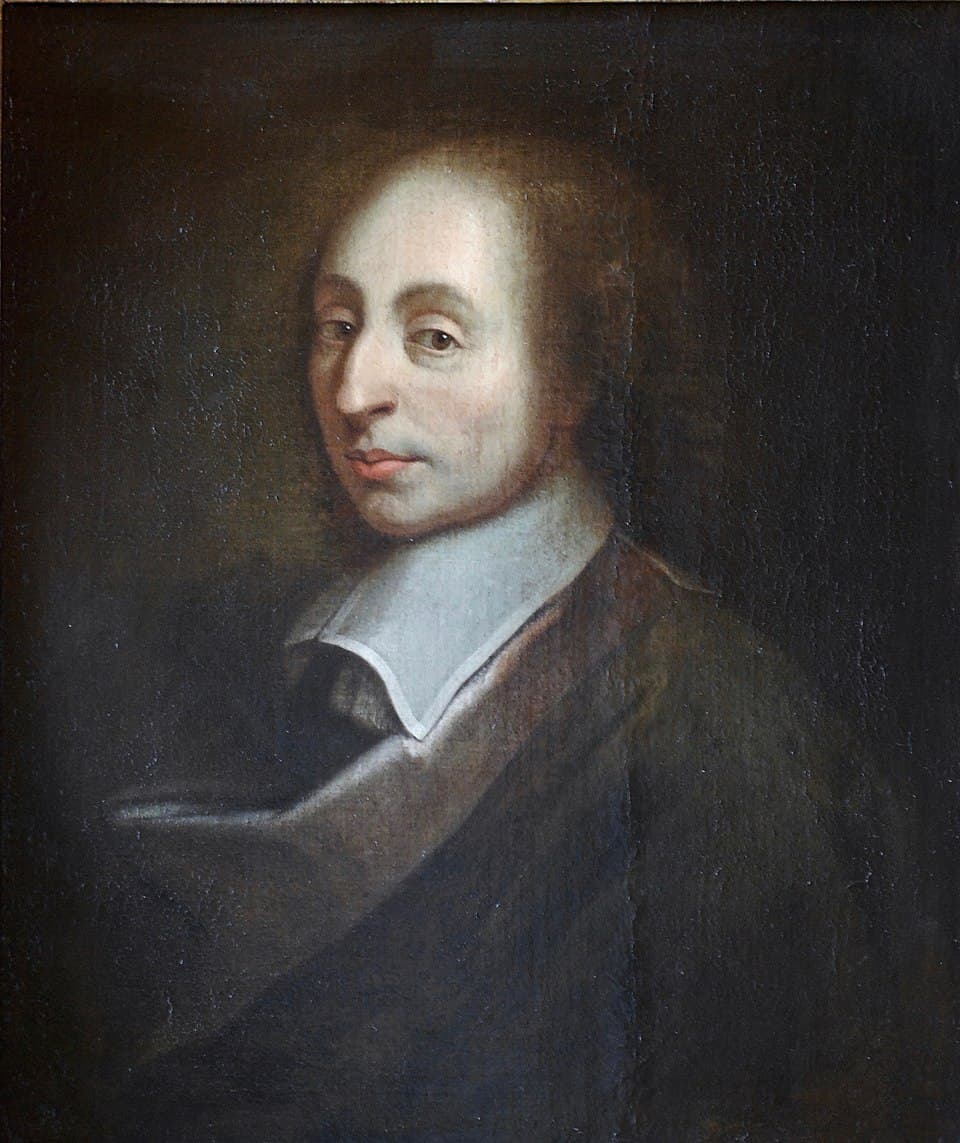
Blaise Pascal
Pensees

Pascal expresses frustration with the rigid preservation of contemporary Church discipline, noting the irony that it was once considered changeable but is now treated as an untouchable crime to reform.

...dence which he has in the Jesuits; and the Jesuits are very capable of imposing upon him by means of calumny. 882 The wretches who have obliged me to speak of the basis of religion. 883 Sinners purified without penitence; the righteous justified without love; all Christians without the grace of Jesus Christ; God without power over the will of men; a predestination without mystery; a redemption without certitude! 884 Any one is made a priest, who wants to be so, as under Jeroboam.[367]
It is a horrible thing that they propound to us the discipline of the Church of to-day as so good, that it is made a crime to desire to change it. Formerly it was infallibly good, and it was thought that it could be changed without sin; and now, such as it is, we cannot wish it changed!
It has indeed been permitted to change the custom of not making priests without such great circumspection, that there were hardly any who were worthy; and it is not allowed to complain of the custom which makes so many who are unworthy! 885 Heretics.--Ezekiel. All the heathen, and also the Prophet, spoke evil of Israel. But the Israelites were so far from having the right to say to him, "You speak like the heathen," that he is most forcible upon this, that the heathen say the same as he....
2
12 of 27 in Section XIV APPENDIX: POLEMICAL FRAGMENTS433 of 448 in work
Truth vs Injustice
Blaise Pascal
Pensees

The author observes that while logical proof can compel the mind to believe a truth, it lacks the power to rectify systemic injustice or protect one's material interests. Intellectual certainty does not translate into practical security against the corruption of ministers.

...ness in regard to us. 889 Tertullian: Nunquam Ecclesia reformabitur. 890 Heretics, who take advantage of the doctrine of the Jesuits, must be made to know that it is not that of the Church [the doctrine of the Church], and that our divisions do not separate us from the altar. 891 If in differing we condemned, you would be right. Uniformity without diversity is useless to others; diversity without uniformity is ruinous for us. The one is harmful outwardly; the other inwardly. 892
By showing the truth, we cause it to be believed; but by showing the injustice of ministers, we do not correct it. Our mind is assured by a proof of falsehood; our purse is not made secure by proof of injustice.
893 Those who love the Church lament to see the corruption of morals; but laws at least exist. But these corrupt the laws. The model is damaged. 894 Men never do evil so completely and cheerfully as when they do it from religious conviction. 895 It is in vain that the Church has established these words, anathemas, heresies, etc. They are used against her. 896 The servant knoweth not what his lord doeth, for the master tells him only the act and not the intention.[368] And this is wh...
6
13 of 27 in Section XIV APPENDIX: POLEMICAL FRAGMENTS434 of 448 in work
Religious Conviction's Dark Power
Blaise Pascal
Pensees

The author observes that the most absolute and joyful forms of evil are committed when individuals believe their actions are sanctioned by religious duty.

...rsity is useless to others; diversity without uniformity is ruinous for us. The one is harmful outwardly; the other inwardly. 892 By showing the truth, we cause it to be believed; but by showing the injustice of ministers, we do not correct it. Our mind is assured by a proof of falsehood; our purse is not made secure by proof of injustice. 893 Those who love the Church lament to see the corruption of morals; but laws at least exist. But these corrupt the laws. The model is damaged. 894
Men never do evil so completely and cheerfully as when they do it from religious conviction.
895 It is in vain that the Church has established these words, anathemas, heresies, etc. They are used against her. 896 The servant knoweth not what his lord doeth, for the master tells him only the act and not the intention.[368] And this is why he often obeys slavishly, and defeats the intention. But Jesus Christ has told us the object. And you defeat that object. 897 They cannot have perpetuity, and they seek universality; and therefore they make the whole Church corrupt, that they...
6
14 of 27 in Section XIV APPENDIX: POLEMICAL FRAGMENTS435 of 448 in work
Obedience Without Understanding
Blaise Pascal
Pensees

Pascal distinguishes between slavish obedience to rules and a true understanding of Christ's intentions, warning against defeating the ultimate object of faith.

...sters, we do not correct it. Our mind is assured by a proof of falsehood; our purse is not made secure by proof of injustice. 893 Those who love the Church lament to see the corruption of morals; but laws at least exist. But these corrupt the laws. The model is damaged. 894 Men never do evil so completely and cheerfully as when they do it from religious conviction. 895 It is in vain that the Church has established these words, anathemas, heresies, etc. They are used against her. 896
The servant knoweth not what his lord doeth, for the master tells him only the act and not the intention. And this is why he often obeys slavishly, and defeats the intention. But Jesus Christ has told us the object. And you defeat that object.
897 They cannot have perpetuity, and they seek universality; and therefore they make the whole Church corrupt, that they may be saints. 898 Against those who misuse passages of Scripture, and who pride themselves in finding one which seems to favour their error.--The chapter for Vespers, Passion Sunday, the prayer for the king. Explanation of these words: "He that is not with me is against me."[369] And of these others: "He that is not against you is for you."[370] A person who says: "...
4
15 of 27 in Section XIV APPENDIX: POLEMICAL FRAGMENTS436 of 448 in work
The Constraint of Tradition
Blaise Pascal
Pensees

The author critiques those who prefer to follow their own reason and imagination rather than the external rules and traditions of the Church. He likens this desire for intellectual liberty to the ancient Jews' rejection of prophetic guidance in favor of their own hearts.

...Sui eum non receperunt; quotquot autem non receperunt an non erant sui?_[372] 901 "It must indeed be," says Feuillant, "that this is not so certain; for controversy indicates uncertainty, (Saint Athanasius, Saint Chrysostom, morals, unbelievers)." The Jesuits have not made the truth uncertain, but they have made their own ungodliness certain. Contradiction has always been permitted, in order to blind the wicked; for all that offends truth or love is evil. This is the true principle. 902
All religions and sects in the world have had natural reason for a guide. Christians alone have been constrained to take their rules from without themselves, and to acquaint themselves with those which Jesus Christ bequeathed to men of old to be handed down to true believers. This constraint wearies these good Fathers. They desire, like other people, to have liberty to follow their own imaginations. It is in vain that we cry to them, as the prophets said to the Jews of old: "Enter into the Church; acquaint yourselves with the precepts which the men of old left to her, and follow those paths." They have answered like the Jews: "We will not…
[373] 903 They make a rule of exception. Have the men of old given absolution before penance? Do this as exceptional. But of the exception you make a rule without exception, so that you do not even want the rule to be exceptional. 904 On confessions and absolutions without signs of regret. God regards only the inward; the Church judges only by the outward. God absolves as soon as He sees penitence in the heart; the Church when she sees it in works. God will make a Church pure within,...
Continue reading →
5