7 of 33 in Section V JUSTICE AND THE REASON OF EFFECTS173 of 448 in work
Law's Imaginary Justice
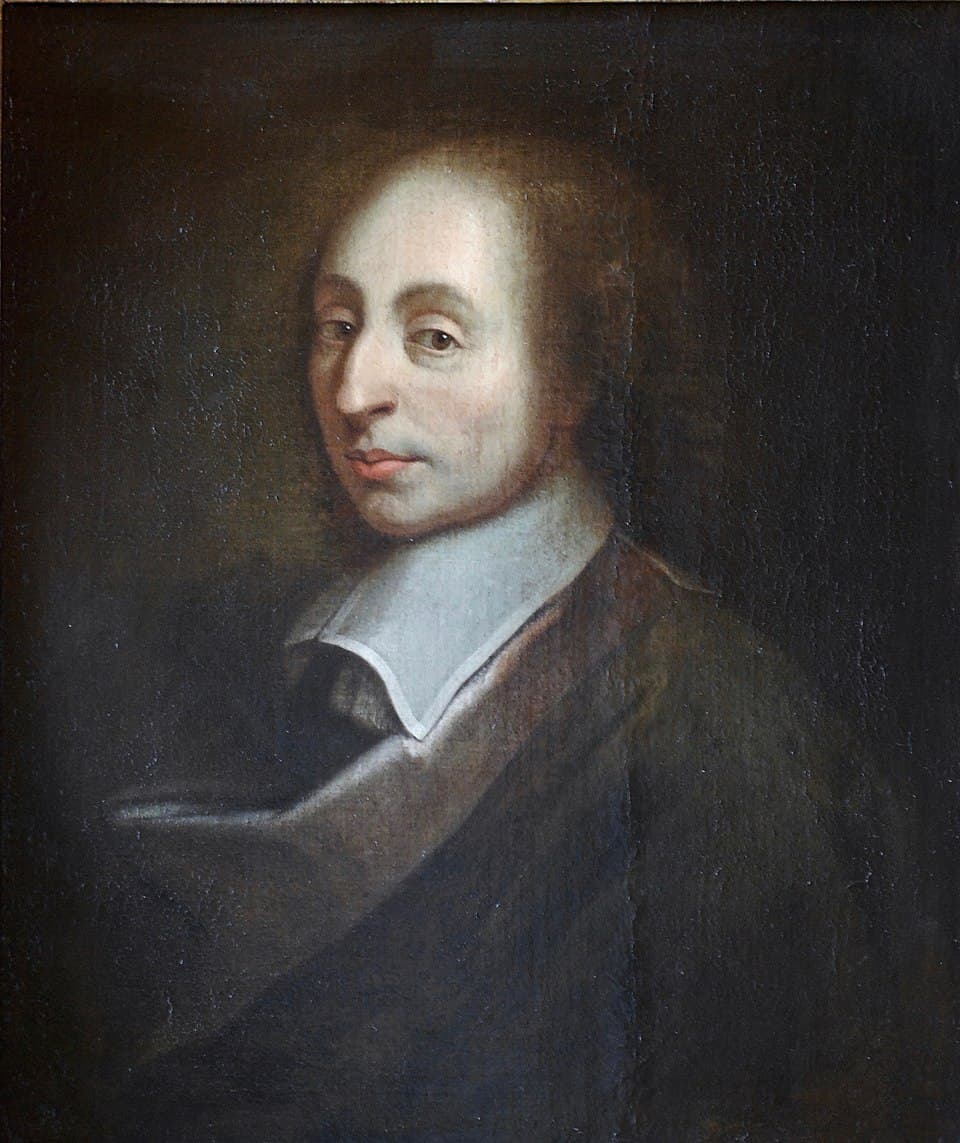
Blaise Pascal
Pensees

The author critiques the arbitrary nature of human laws, noting that their authority often rests on custom and imagination rather than essential justice.

...s laboramus._[112] The result of this confusion is that one affirms the essence of justice to be the authority of the legislator; another, the interest of the sovereign;[113] another, present custom,[114] and this is the most sure. Nothing, according to reason alone, is just in itself; all changes with time. Custom creates the whole of equity, for the simple reason that it is accepted. It is the mystical foundation of its authority;[115] whoever carries it back to first principles destroys it.
Nothing is so faulty as those laws which correct faults. He who obeys them because they are just, obeys a justice which is imaginary, and not the essence of law; it is quite self-contained, it is law and nothing more. He who will examine its motive will find it so feeble and so trifling that if he be not accustomed to contemplate the wonders of human imagination, he will marvel that one century has gained for it so much pomp and reverence. The art of opposition and of revolution is to unsettle established customs, sounding them even to their source, to point out their want of authority and justice.
We must, it is said, get back to the natural and fundamental laws of the State, which an unjust custom has abolished. It is a game certain to result in the loss of all; nothing will be just on the balance. Yet people readily lend their ear to such arguments. They shake off the yoke as soon as they recognise it; and the great profit by their ruin, and by that of these curious investigators of accepted customs. But from a contrary mistake men sometimes think they can justly do everything which is...
6
8 of 33 in Section V JUSTICE AND THE REASON OF EFFECTS174 of 448 in work
The Ruin of Reform
Blaise Pascal
Pensees

Pascal warns against the dangerous impulse to overthrow established customs in search of 'natural laws,' suggesting such upheaval usually leads to ruin rather than justice.

...justice which is imaginary, and not the essence of law; it is quite self-contained, it is law and nothing more. He who will examine its motive will find it so feeble and so trifling that if he be not accustomed to contemplate the wonders of human imagination, he will marvel that one century has gained for it so much pomp and reverence. The art of opposition and of revolution is to unsettle established customs, sounding them even to their source, to point out their want of authority and justice.
We must, it is said, get back to the natural and fundamental laws of the State, which an unjust custom has abolished. It is a game certain to result in the loss of all; nothing will be just on the balance. Yet people readily lend their ear to such arguments. They shake off the yoke as soon as they recognise it; and the great profit by their ruin, and by that of these curious investigators of accepted customs.
But from a contrary mistake men sometimes think they can justly do everything which is not without an example. That is why the wisest of legislators[116] said that it was necessary to deceive men for their own good; and another, a good politician, Cum veritatem qua liberetur ignoret, expedit quod fallatur.[117] We must not see the fact of usurpation; law was once introduced without reason, and has become reasonable. We must make it regarded as authoritative, eternal, and conceal its origin, i...
2
9 of 33 in Section V JUSTICE AND THE REASON OF EFFECTS175 of 448 in work
Justice and Might
Blaise Pascal
Pensees

Pascal argues for the necessary union of justice and might, claiming that justice without power is ineffective while power without justice is tyrannical.

...ing and the image of the usurpation of all the earth. 296 When the question for consideration is whether we ought to make war, and kill so many men--condemn so many Spaniards to death--only one man is judge, and he is an interested party. There should be a third, who is disinterested. 297 Veri juris.[118]--We have it no more; if we had it, we should take conformity to the customs of a country as the rule of justice. It is here that, not finding justice, we have found force, etc. 298
Justice, might.--It is right that what is just should be obeyed; it is necessary that what is strongest should be obeyed. Justice without might is helpless; might without justice is tyrannical. Justice without might is gainsaid, because there are always offenders; might without justice is condemned. We must then combine justice and might, and for this end make what is just strong, or what is strong just.
Justice is subject to dispute; might is easily recognised and is not disputed. So we cannot give might to justice, because might has gainsaid justice, and has declared that it is she herself who is just. And thus being unable to make what is just strong, we have made what is strong just. 299 The only universal rules are the laws of the country in ordinary affairs, and of the majority in others. Whence comes this? From the might which is in them. Hence it comes that kings, who have power of...
6
10 of 33 in Section V JUSTICE AND THE REASON OF EFFECTS176 of 448 in work
Might's Justification
Blaise Pascal
Pensees

A pragmatic thesis on social order, suggesting that because humans could not make justice powerful, they instead made power appear just in order to maintain peace.

...hout might is gainsaid, because there are always offenders; might without justice is condemned. We must then combine justice and might, and for this end make what is just strong, or what is strong just. Justice is subject to dispute; might is easily recognised and is not disputed. So we cannot give might to justice, because might has gainsaid justice, and has declared that it is she herself who is just. And thus being unable to make what is just strong, we have made what is strong just. 299
The only universal rules are the laws of the country in ordinary affairs, and of the majority in others. Whence comes this? From the might which is in them. Hence it comes that kings, who have power of a different kind, do not follow the majority of their ministers. No doubt equality of goods is just; but, being unable to cause might to obey justice, men have made it just to obey might. Unable to strengthen justice, they have justified might; so that the just and the strong should unite, and there should be peace, which is the sovereign good.
300 "When a strong man armed keepeth his goods, his goods are in peace."[119] 301 Why do we follow the majority? It is because they have more reason? No, because they have more power. Why do we follow the ancient laws and opinions? Is it because they are more sound? No, but because they are unique, and remove from us the root of difference. 302 ... It is the effect of might, not of custom. For those who are capable of originality are few; the greater number will only follow, and refus...
6
11 of 33 in Section V JUSTICE AND THE REASON OF EFFECTS177 of 448 in work
Power Over Reason
Blaise Pascal
Pensees

Pascal observes that social adherence to the majority or to ancient laws is driven by a desire for power and the avoidance of conflict rather than superior reason.

...which is in them. Hence it comes that kings, who have power of a different kind, do not follow the majority of their ministers. No doubt equality of goods is just; but, being unable to cause might to obey justice, men have made it just to obey might. Unable to strengthen justice, they have justified might; so that the just and the strong should unite, and there should be peace, which is the sovereign good. 300 "When a strong man armed keepeth his goods, his goods are in peace."[119] 301
Why do we follow the majority? It is because they have more reason? No, because they have more power. Why do we follow the ancient laws and opinions? Is it because they are more sound? No, but because they are unique, and remove from us the root of difference.
302 ... It is the effect of might, not of custom. For those who are capable of originality are few; the greater number will only follow, and refuse glory to those inventors who seek it by their inventions. And if these are obstinate in their wish to obtain glory, and despise those who do not invent, the latter will call them ridiculous names, and would beat them with a stick. Let no one then boast of his subtlety, or let him keep his complacency to himself. 303 Might is the sovereign of t...
6