4 of 5 in Chapter II. THE ACADEMIC CHAIRS OF VIRTUE50 of 593 in work
Sleep's Reluctant Lord
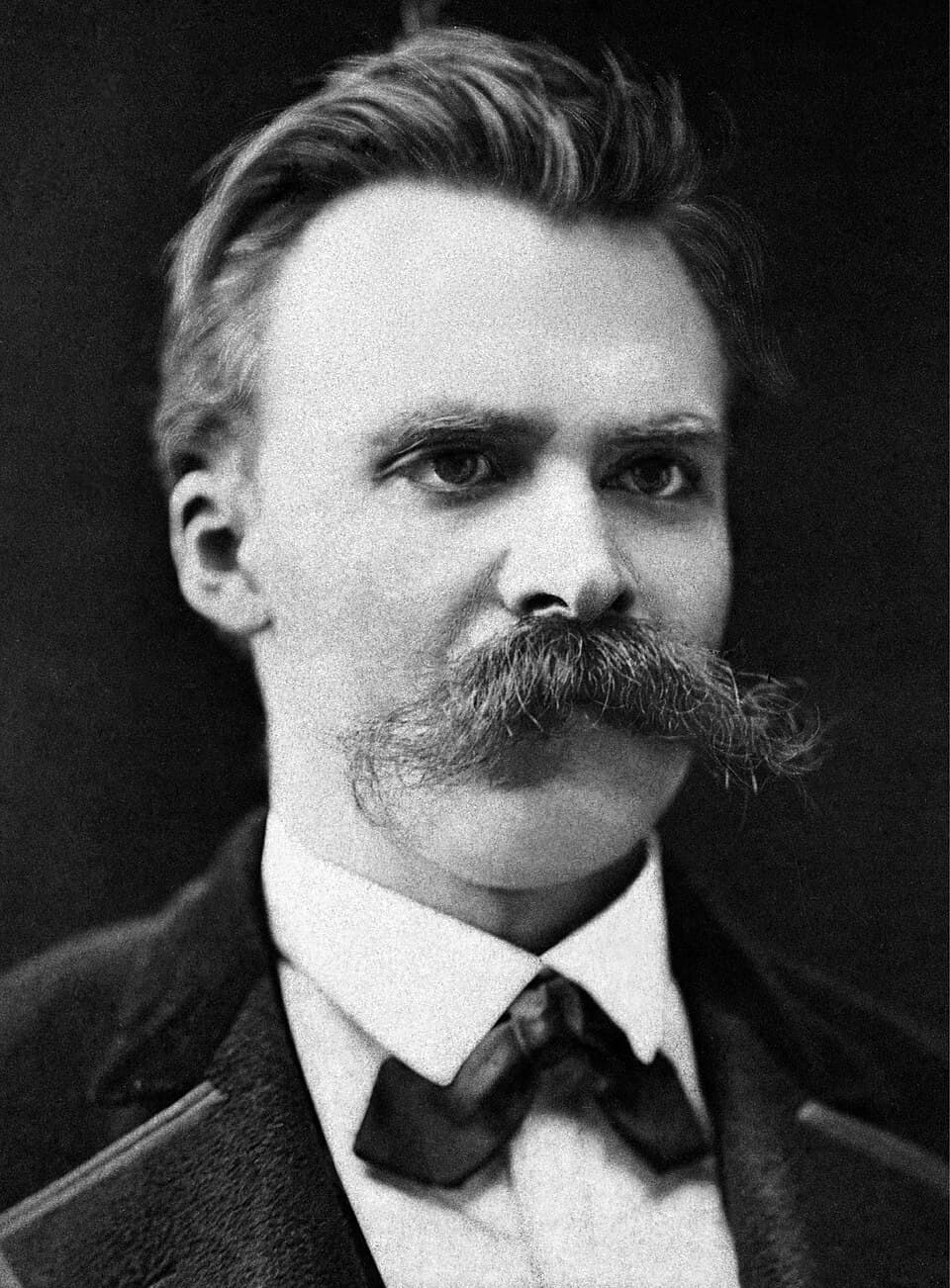
Friedrich Nietzsche
Thus Spake Zarathustra

A satirical vision of the 'virtuous' who use simple-mindedness and conformity to achieve a peaceful sleep, contrasting their complacency with a more rigorous existence.

...oked government! So desireth good sleep. How can I help it, if power like to walk on crooked legs? He who leadeth his sheep to the greenest pasture, shall always be for me the best shepherd: so doth it accord with good sleep. Many honours I want not, nor great treasures: they excite the spleen. But it is bad sleeping without a good name and a little treasure. A small company is more welcome to me than a bad one: but they must come and go at the right time. So doth it accord with good sleep.
Well, also, do the poor in spirit please me: they promote sleep. Blessed are they, especially if one always give in to them. Thus passeth the day unto the virtuous. When night cometh, then take I good care not to summon sleep. It disliketh to be summoned—sleep, the lord of the virtues!
But I think of what I have done and thought during the day. Thus ruminating, patient as a cow, I ask myself: What were thy ten overcomings? And what were the ten reconciliations, and the ten truths, and the ten laughters with which my heart enjoyed itself? Thus pondering, and cradled by forty thoughts, it overtaketh me all at once—sleep, the unsummoned, the lord of the virtues. Sleep tappeth on mine eye, and it turneth heavy. Sleep toucheth my mouth, and it remaineth open. Verily, on soft...
2
5 of 5 in Chapter II. THE ACADEMIC CHAIRS OF VIRTUE51 of 593 in work
The Ten Overcomings
Friedrich Nietzsche
Thus Spake Zarathustra

A description of the author's nightly ritual of self-examination, where he ruminates on his daily 'overcomings' and reconciliations before succumbing to sleep.

...spleen. But it is bad sleeping without a good name and a little treasure. A small company is more welcome to me than a bad one: but they must come and go at the right time. So doth it accord with good sleep. Well, also, do the poor in spirit please me: they promote sleep. Blessed are they, especially if one always give in to them. Thus passeth the day unto the virtuous. When night cometh, then take I good care not to summon sleep. It disliketh to be summoned—sleep, the lord of the virtues!
But I think of what I have done and thought during the day. Thus ruminating, patient as a cow, I ask myself: What were thy ten overcomings? And what were the ten reconciliations, and the ten truths, and the ten laughters with which my heart enjoyed itself? Thus pondering, and cradled by forty thoughts, it overtaketh me all at once—sleep, the unsummoned, the lord of the virtues.
Sleep tappeth on mine eye, and it turneth heavy. Sleep toucheth my mouth, and it remaineth open. Verily, on soft soles doth it come to me, the dearest of thieves, and stealeth from me my thoughts: stupid do I then stand, like this academic chair. But not much longer do I then stand: I already lie.— When Zarathustra heard the wise man thus speak, he laughed in his heart: for thereby had a light dawned upon him. And thus spake he to his heart: A fool seemeth this wise man with his forty thou...
2
1 of 7 in Chapter III. BACKWORLDSMEN52 of 593 in work
Now entering Chapter III. BACKWORLDSMEN
World as Divine Escape
Friedrich Nietzsche
Thus Spake Zarathustra

The author reflects on a past perspective where he viewed the world as the creative, self-distracting dream of a suffering God who sought to forget his own imperfections through the act of creation.

...they sought for themselves, and poppy-head virtues to promote it! To all those belauded sages of the academic chairs, wisdom was sleep without dreams: they knew no higher significance of life. Even at present, to be sure, there are some like this preacher of virtue, and not always so honourable: but their time is past. And not much longer do they stand: there they already lie. Blessed are those drowsy ones: for they shall soon nod to sleep.— Thus spake Zarathustra. III. BACKWORLDSMEN.
Once on a time, Zarathustra also cast his fancy beyond man, like all backworldsmen. The work of a suffering and tortured God, did the world then seem to me. The dream—and diction—of a God, did the world then seem to me; coloured vapours before the eyes of a divinely dissatisfied one. Good and evil, and joy and woe, and I and thou—coloured vapours did they seem to me before creative eyes. The creator wished to look away from himself,—thereupon he created the world. Intoxicating joy is it for the sufferer to look away from his suffering and forget himself. Intoxicating joy and self-forgetting, did the world once seem to me. This world, the…
Thus, once on a time, did I also cast my fancy beyond man, like all backworldsmen. Beyond man, forsooth? Ah, ye brethren, that God whom I created was human work and human madness, like all the Gods! A man was he, and only a poor fragment of a man and ego. Out of mine own ashes and glow it came unto me, that phantom. And verily, it came not unto me from the beyond! What happened, my brethren? I surpassed myself, the suffering one; I carried mine own ashes to the mountain; a brighter flame I...
Continue reading →
2
2 of 7 in Chapter III. BACKWORLDSMEN53 of 593 in work
God as Human Madness
Friedrich Nietzsche
Thus Spake Zarathustra

The author confesses that he once viewed the world through the lens of religious 'backworldsmen,' creating a God that was merely a projection of human madness. He now recognizes that such phantoms are fragments of the ego rather than revelations from a beyond.

...all backworldsmen. The work of a suffering and tortured God, did the world then seem to me. The dream—and diction—of a God, did the world then seem to me; coloured vapours before the eyes of a divinely dissatisfied one. Good and evil, and joy and woe, and I and thou—coloured vapours did they seem to me before creative eyes. The creator wished to look away from himself,—thereupon he created the world. Intoxicating joy is it for the sufferer to look away from his suffering and forget himself.
Intoxicating joy and self-forgetting, did the world once seem to me. This world, the eternally imperfect, an eternal contradiction’s image and imperfect image—an intoxicating joy to its imperfect creator:—thus did the world once seem to me. Thus, once on a time, did I also cast my fancy beyond man, like all backworldsmen. Beyond man, forsooth? Ah, ye brethren, that God whom I created was human work and human madness, like all the Gods! A man was he, and only a poor fragment of a man and ego. Out of mine own ashes and glow it came unto me, that phantom. And verily, it came not unto me from the beyond!
What happened, my brethren? I surpassed myself, the suffering one; I carried mine own ashes to the mountain; a brighter flame I contrived for myself. And lo! Thereupon the phantom WITHDREW from me! To me the convalescent would it now be suffering and torment to believe in such phantoms: suffering would it now be to me, and humiliation. Thus speak I to backworldsmen. Suffering was it, and impotence—that created all backworlds; and the short madness of happiness, which only the greatest suffer...
2
3 of 7 in Chapter III. BACKWORLDSMEN54 of 593 in work
God as Human Madness
Friedrich Nietzsche
Thus Spake Zarathustra

The author confesses that the concept of God was merely a human invention born of suffering, and that by surpassing his own limitations, he caused this phantom to vanish.

...s. The creator wished to look away from himself,—thereupon he created the world. Intoxicating joy is it for the sufferer to look away from his suffering and forget himself. Intoxicating joy and self-forgetting, did the world once seem to me. This world, the eternally imperfect, an eternal contradiction’s image and imperfect image—an intoxicating joy to its imperfect creator:—thus did the world once seem to me. Thus, once on a time, did I also cast my fancy beyond man, like all backworldsmen.
Beyond man, forsooth? Ah, ye brethren, that God whom I created was human work and human madness, like all the Gods! A man was he, and only a poor fragment of a man and ego. Out of mine own ashes and glow it came unto me, that phantom. And verily, it came not unto me from the beyond! What happened, my brethren? I surpassed myself, the suffering one; I carried mine own ashes to the mountain; a brighter flame I contrived for myself. And lo! Thereupon the phantom WITHDREW from me! To me the convalescent would it now be suffering and torment to believe in such phantoms: suffering would it now be to me, and humiliation. Thus speak I to…
Suffering was it, and impotence—that created all backworlds; and the short madness of happiness, which only the greatest sufferer experienceth. Weariness, which seeketh to get to the ultimate with one leap, with a death-leap; a poor ignorant weariness, unwilling even to will any longer: that created all Gods and backworlds. Believe me, my brethren! It was the body which despaired of the body—it groped with the fingers of the infatuated spirit at the ultimate walls. Believe me, my brethren!...
Continue reading →
2