The Loveless Ego's Ruin
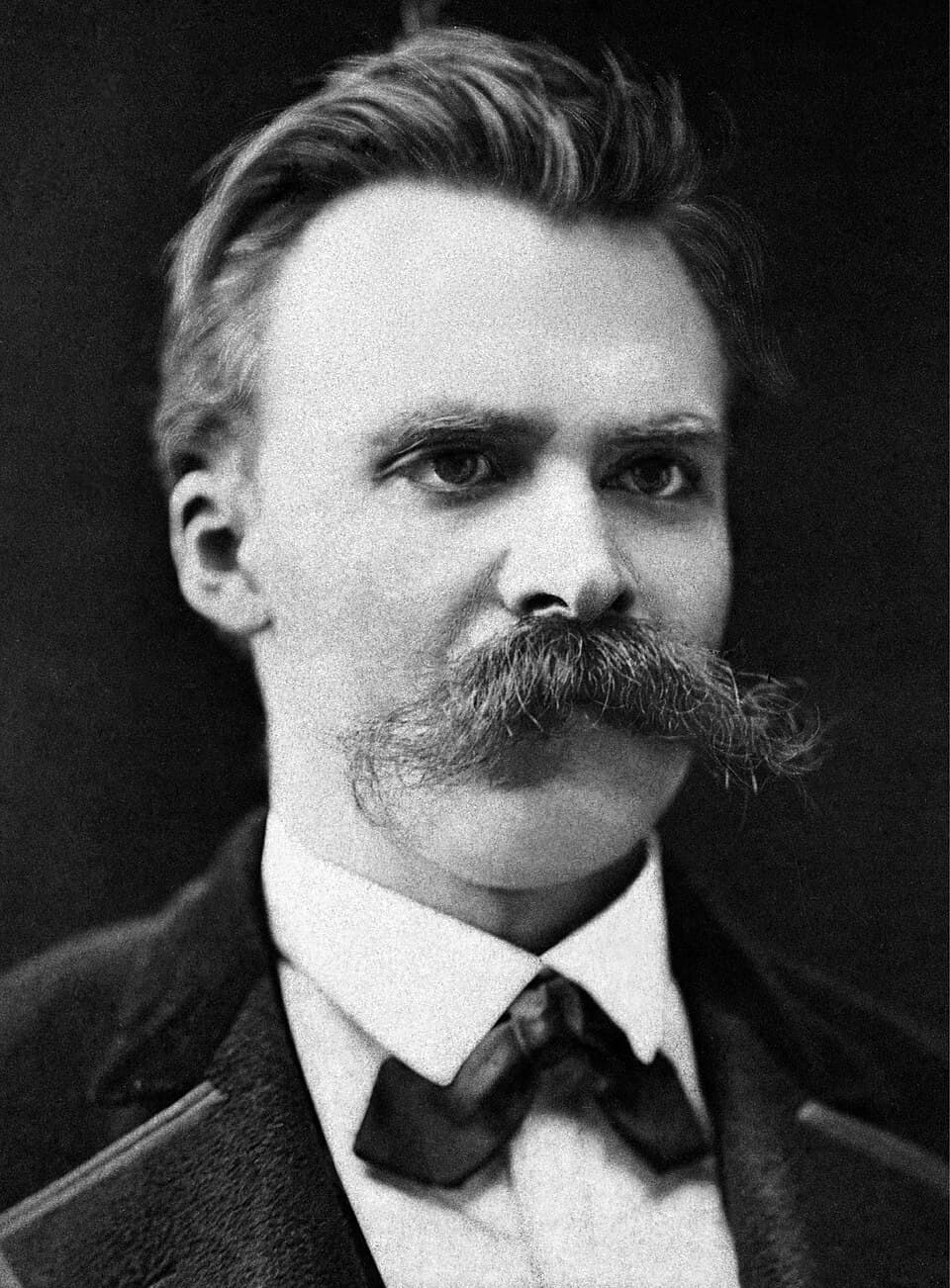
Friedrich Nietzsche
Thus Spake ZarathustraThe author argues that true social values and virtues are created by passionate, loving individuals rather than the egoistic or the herd-minded who only seek utility.
...e of the creating ones. Always doth he destroy who hath to be a creator. Creating ones were first of all peoples, and only in late times individuals; verily, the individual himself is still the latest creation. Peoples once hung over them tables of the good. Love which would rule and love which would obey, created for themselves such tables. Older is the pleasure in the herd than the pleasure in the ego: and as long as the good conscience is for the herd, the bad conscience only saith: ego.
Verily, the crafty ego, the loveless one, that seeketh its advantage in the advantage of many—it is not the origin of the herd, but its ruin. Loving ones, was it always, and creating ones, that created good and bad. Fire of love gloweth in the names of all the virtues, and fire of wrath.
Many lands saw Zarathustra, and many peoples: no greater power did Zarathustra find on earth than the creations of the loving ones—“good” and “bad” are they called. Verily, a prodigy is this power of praising and blaming. Tell me, ye brethren, who will master it for me? Who will put a fetter upon the thousand necks of this animal? A thousand goals have there been hitherto, for a thousand peoples have there been. Only the fetter for the thousand necks is still lacking; there is lacking the o...
4