10 of 30 in ZARATHUSTRA’S PROLOGUE.21 of 593 in work
Man as Polluted Stream
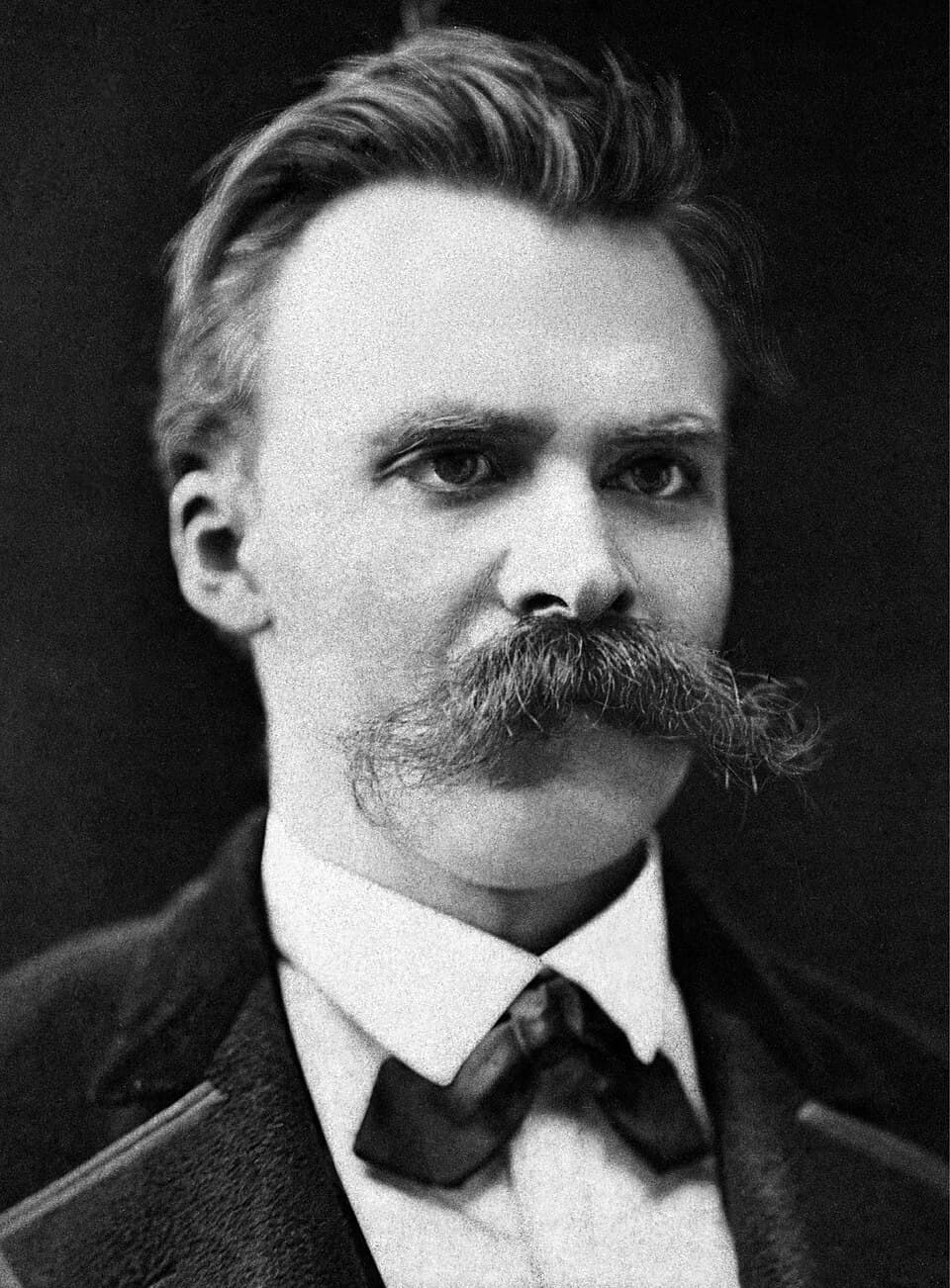
Friedrich Nietzsche
Thus Spake Zarathustra

The author presents the 'Superman' as a vast sea capable of absorbing the impurities of humanity without being corrupted, offering a path to transcend self-contempt.

...owable higher than the meaning of the earth! Once the soul looked contemptuously on the body, and then that contempt was the supreme thing:—the soul wished the body meagre, ghastly, and famished. Thus it thought to escape from the body and the earth. Oh, that soul was itself meagre, ghastly, and famished; and cruelty was the delight of that soul! But ye, also, my brethren, tell me: What doth your body say about your soul? Is your soul not poverty and pollution and wretched self-complacency?
Verily, a polluted stream is man. One must be a sea, to receive a polluted stream without becoming impure. Lo, I teach you the Superman: he is that sea; in him can your great contempt be submerged.
What is the greatest thing ye can experience? It is the hour of great contempt. The hour in which even your happiness becometh loathsome unto you, and so also your reason and virtue. The hour when ye say: “What good is my happiness! It is poverty and pollution and wretched self-complacency. But my happiness should justify existence itself!” The hour when ye say: “What good is my reason! Doth it long for knowledge as the lion for his food? It is poverty and pollution and wretched self-complac...
1
11 of 30 in ZARATHUSTRA’S PROLOGUE.22 of 593 in work
Hour of Great Contempt
Friedrich Nietzsche
Thus Spake Zarathustra

The author describes the 'hour of great contempt' as a peak experience where one's own happiness, reason, and virtue are recognized as insufficient and loathsome.

...s it thought to escape from the body and the earth. Oh, that soul was itself meagre, ghastly, and famished; and cruelty was the delight of that soul! But ye, also, my brethren, tell me: What doth your body say about your soul? Is your soul not poverty and pollution and wretched self-complacency? Verily, a polluted stream is man. One must be a sea, to receive a polluted stream without becoming impure. Lo, I teach you the Superman: he is that sea; in him can your great contempt be submerged.
What is the greatest thing ye can experience? It is the hour of great contempt. The hour in which even your happiness becometh loathsome unto you, and so also your reason and virtue. The hour when ye say: “What good is my happiness! It is poverty and pollution and wretched self-complacency. But my happiness should justify existence itself!”
The hour when ye say: “What good is my reason! Doth it long for knowledge as the lion for his food? It is poverty and pollution and wretched self-complacency!” The hour when ye say: “What good is my virtue! As yet it hath not made me passionate. How weary I am of my good and my bad! It is all poverty and pollution and wretched self-complacency!” The hour when ye say: “What good is my justice! I do not see that I am fervour and fuel. The just, however, are fervour and fuel!” The hour when y...
2
12 of 30 in ZARATHUSTRA’S PROLOGUE.23 of 593 in work
Man as Bridge
Friedrich Nietzsche
Thus Spake Zarathustra

Man is described as a precarious bridge between the animal and the 'Superman,' defined not by a fixed goal but by the process of 'over-going' and 'down-going.' The author celebrates those who risk their existence to facilitate this evolutionary transition.

...ith its tongue? Where is the frenzy with which ye should be inoculated? Lo, I teach you the Superman: he is that lightning, he is that frenzy!— When Zarathustra had thus spoken, one of the people called out: “We have now heard enough of the rope-dancer; it is time now for us to see him!” And all the people laughed at Zarathustra. But the rope-dancer, who thought the words applied to him, began his performance. 4. Zarathustra, however, looked at the people and wondered. Then he spake thus:
Man is a rope stretched between the animal and the Superman—a rope over an abyss. A dangerous crossing, a dangerous wayfaring, a dangerous looking-back, a dangerous trembling and halting. What is great in man is that he is a bridge and not a goal: what is lovable in man is that he is an OVER-GOING and a DOWN-GOING. I love those that know not how to live except as down-goers, for they are the over-goers.
I love the great despisers, because they are the great adorers, and arrows of longing for the other shore. I love those who do not first seek a reason beyond the stars for going down and being sacrifices, but sacrifice themselves to the earth, that the earth of the Superman may hereafter arrive. I love him who liveth in order to know, and seeketh to know in order that the Superman may hereafter live. Thus seeketh he his own down-going. I love him who laboureth and inventeth, that he may bui...
3
13 of 30 in ZARATHUSTRA’S PROLOGUE.24 of 593 in work
Down-goers as Over-goers
Friedrich Nietzsche
Thus Spake Zarathustra

The author expresses love for those who sacrifice themselves for the sake of the future 'Superman,' viewing their personal decline as a necessary bridge to a higher humanity.

...t Zarathustra. But the rope-dancer, who thought the words applied to him, began his performance. 4. Zarathustra, however, looked at the people and wondered. Then he spake thus: Man is a rope stretched between the animal and the Superman—a rope over an abyss. A dangerous crossing, a dangerous wayfaring, a dangerous looking-back, a dangerous trembling and halting. What is great in man is that he is a bridge and not a goal: what is lovable in man is that he is an OVER-GOING and a DOWN-GOING.
I love those that know not how to live except as down-goers, for they are the over-goers. I love the great despisers, because they are the great adorers, and arrows of longing for the other shore. I love those who do not first seek a reason beyond the stars for going down and being sacrifices, but sacrifice themselves to the earth, that the earth of the Superman may hereafter arrive.
I love him who liveth in order to know, and seeketh to know in order that the Superman may hereafter live. Thus seeketh he his own down-going. I love him who laboureth and inventeth, that he may build the house for the Superman, and prepare for him earth, animal, and plant: for thus seeketh he his own down-going. I love him who loveth his virtue: for virtue is the will to down-going, and an arrow of longing. I love him who reserveth no share of spirit for himself, but wanteth to be wholly t...
2
14 of 30 in ZARATHUSTRA’S PROLOGUE.25 of 593 in work
Love for Down-Going
Friedrich Nietzsche
Thus Spake Zarathustra

A prescription for the 'great despisers' who sacrifice themselves to the earth to prepare the way for the emergence of the Superman.

...ance. 4. Zarathustra, however, looked at the people and wondered. Then he spake thus: Man is a rope stretched between the animal and the Superman—a rope over an abyss. A dangerous crossing, a dangerous wayfaring, a dangerous looking-back, a dangerous trembling and halting. What is great in man is that he is a bridge and not a goal: what is lovable in man is that he is an OVER-GOING and a DOWN-GOING. I love those that know not how to live except as down-goers, for they are the over-goers.
I love the great despisers, because they are the great adorers, and arrows of longing for the other shore. I love those who do not first seek a reason beyond the stars for going down and being sacrifices, but sacrifice themselves to the earth, that the earth of the Superman may hereafter arrive. I love him who liveth in order to know, and seeketh to know in order that the Superman may hereafter live. Thus seeketh he his own down-going. I love him who laboureth and inventeth, that he may build the house for the Superman, and prepare for him earth, animal, and plant: for thus seeketh he his own down-going. I love him who loveth his virtue: for…
I love him who reserveth no share of spirit for himself, but wanteth to be wholly the spirit of his virtue: thus walketh he as spirit over the bridge. I love him who maketh his virtue his inclination and destiny: thus, for the sake of his virtue, he is willing to live on, or live no more. I love him who desireth not too many virtues. One virtue is more of a virtue than two, because it is more of a knot for one’s destiny to cling to. I love him whose soul is lavish, who wanteth no thanks and...
Continue reading →
2