Nietzsche presents a metaphorical vision of humanity and its subversive ideologies as diseases on the skin of the earth, claiming to have uncovered the naked truth behind these 'fire-dogs.'
1 of 4 in Chapter XL. GREAT EVENTS277 of 593 in work
Now entering Chapter XL. GREAT EVENTS
Earth's Diseased Skin
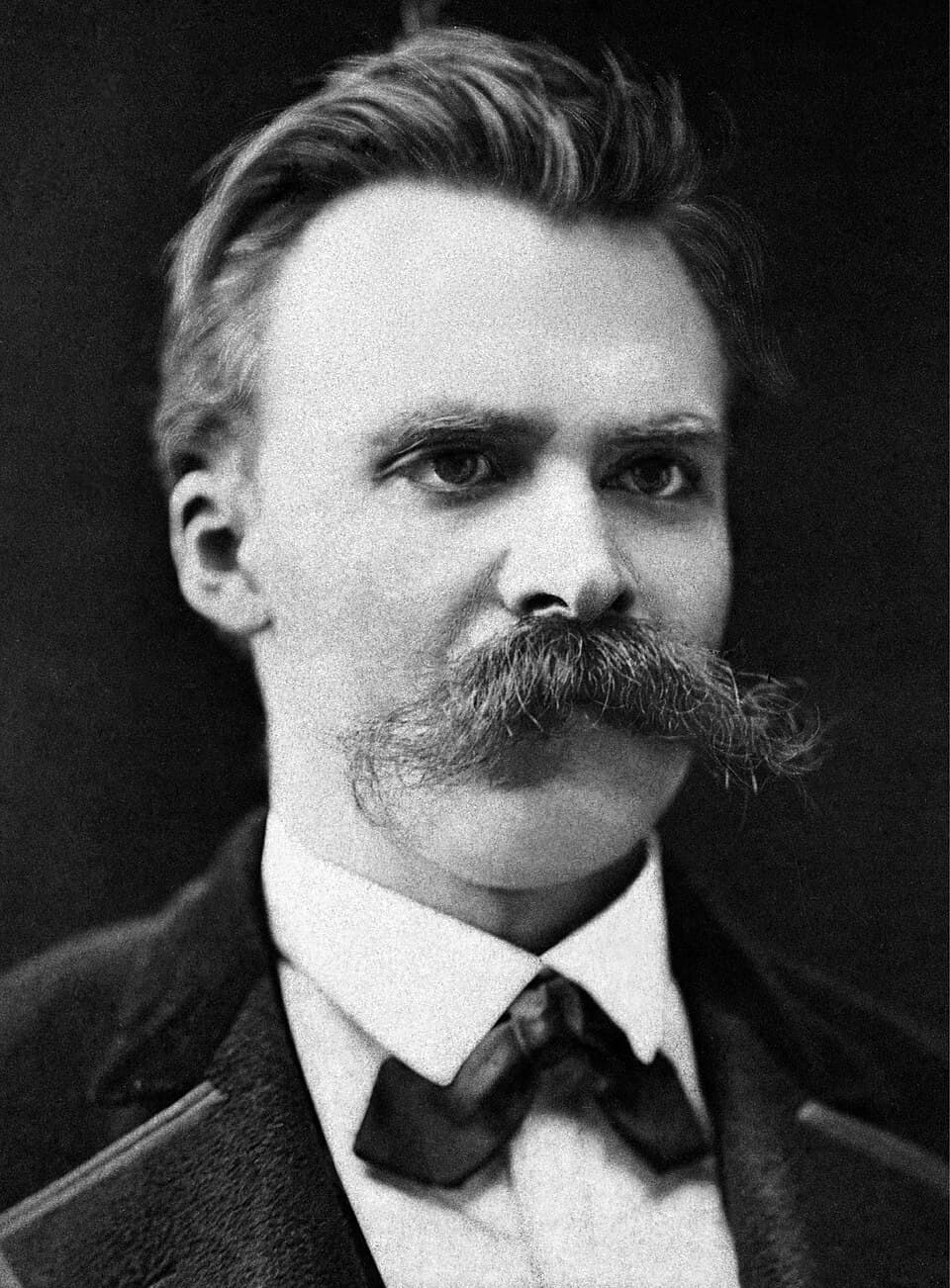
Friedrich Nietzsche
Thus Spake Zarathustra...the story of the ship’s crew in addition to this uneasiness—and then did all the people say that the devil had taken Zarathustra. His disciples laughed, sure enough, at this talk; and one of them said even: “Sooner would I believe that Zarathustra hath taken the devil.” But at the bottom of their hearts they were all full of anxiety and longing: so their joy was great when on the fifth day Zarathustra appeared amongst them. And this is the account of Zarathustra’s interview with the fire-dog:
The earth, said he, hath a skin; and this skin hath diseases. One of these diseases, for example, is called “man.” And another of these diseases is called “the fire-dog”: concerning HIM men have greatly deceived themselves, and let themselves be deceived. To fathom this mystery did I go o’er the sea; and I have seen the truth naked, verily! barefooted up to the neck. Now do I know how it is concerning the fire-dog; and likewise concerning all the spouting and subversive devils, of which not only old women are afraid.
“Up with thee, fire-dog, out of thy depth!” cried I, “and confess how deep that depth is! Whence cometh that which thou snortest up? Thou drinkest copiously at the sea: that doth thine embittered eloquence betray! In sooth, for a dog of the depth, thou takest thy nourishment too much from the surface! At the most, I regard thee as the ventriloquist of the earth: and ever, when I have heard subversive and spouting devils speak, I have found them like thee: embittered, mendacious, and shallow....
2
2 of 4 in Chapter XL. GREAT EVENTS278 of 593 in work
⚖The Stillest Revolutions

Friedrich Nietzsche
Thus Spake ZarathustraA vision asserting that true change does not come from noisy 'great events' or political clamor, but from the silent invention of new values.
...“Up with thee, fire-dog, out of thy depth!” cried I, “and confess how deep that depth is! Whence cometh that which thou snortest up? Thou drinkest copiously at the sea: that doth thine embittered eloquence betray! In sooth, for a dog of the depth, thou takest thy nourishment too much from the surface! At the most, I regard thee as the ventriloquist of the earth: and ever, when I have heard subversive and spouting devils speak, I have found them like thee: embittered, mendacious, and shallow.
Ye understand how to roar and obscure with ashes! Ye are the best braggarts, and have sufficiently learned the art of making dregs boil. Where ye are, there must always be dregs at hand, and much that is spongy, hollow, and compressed: it wanteth to have freedom. ‘Freedom’ ye all roar most eagerly: but I have unlearned the belief in ‘great events,’ when there is much roaring and smoke about them. And believe me, friend Hullabaloo! The greatest events—are not our noisiest, but our stillest hours. Not around the inventors of new noise, but around the inventors of new values, doth the world revolve; INAUDIBLY it revolveth.
And just own to it! Little had ever taken place when thy noise and smoke passed away. What, if a city did become a mummy, and a statue lay in the mud! And this do I say also to the o’erthrowers of statues: It is certainly the greatest folly to throw salt into the sea, and statues into the mud. In the mud of your contempt lay the statue: but it is just its law, that out of contempt, its life and living beauty grow again! With diviner features doth it now arise, seducing by its suffering; and...
1
3 of 4 in Chapter XL. GREAT EVENTS279 of 593 in work
⚖Greatest Events' Silence

Friedrich Nietzsche
Thus Spake ZarathustraNietzsche argues that true historical change is silent, revolving not around noisy 'great events' but around the quiet invention of new values.
...urishment too much from the surface! At the most, I regard thee as the ventriloquist of the earth: and ever, when I have heard subversive and spouting devils speak, I have found them like thee: embittered, mendacious, and shallow. Ye understand how to roar and obscure with ashes! Ye are the best braggarts, and have sufficiently learned the art of making dregs boil. Where ye are, there must always be dregs at hand, and much that is spongy, hollow, and compressed: it wanteth to have freedom.
‘Freedom’ ye all roar most eagerly: but I have unlearned the belief in ‘great events,’ when there is much roaring and smoke about them. And believe me, friend Hullabaloo! The greatest events—are not our noisiest, but our stillest hours. Not around the inventors of new noise, but around the inventors of new values, doth the world revolve; INAUDIBLY it revolveth. And just own to it! Little had ever taken place when thy noise and smoke passed away.
What, if a city did become a mummy, and a statue lay in the mud! And this do I say also to the o’erthrowers of statues: It is certainly the greatest folly to throw salt into the sea, and statues into the mud. In the mud of your contempt lay the statue: but it is just its law, that out of contempt, its life and living beauty grow again! With diviner features doth it now arise, seducing by its suffering; and verily! it will yet thank you for o’erthrowing it, ye subverters! This counsel, howev...
3
4 of 4 in Chapter XL. GREAT EVENTS280 of 593 in work
⚖Rebirth Through Overthrow

Friedrich Nietzsche
Thus Spake ZarathustraThe author suggests that institutions and virtues must be overthrown to be reborn with greater beauty and vitality, using the metaphor of a statue rising from the mud of contempt.
...abaloo! The greatest events—are not our noisiest, but our stillest hours. Not around the inventors of new noise, but around the inventors of new values, doth the world revolve; INAUDIBLY it revolveth. And just own to it! Little had ever taken place when thy noise and smoke passed away. What, if a city did become a mummy, and a statue lay in the mud! And this do I say also to the o’erthrowers of statues: It is certainly the greatest folly to throw salt into the sea, and statues into the mud.
In the mud of your contempt lay the statue: but it is just its law, that out of contempt, its life and living beauty grow again! With diviner features doth it now arise, seducing by its suffering; and verily! it will yet thank you for o’erthrowing it, ye subverters! This counsel, however, do I counsel to kings and churches, and to all that is weak with age or virtue—let yourselves be o’erthrown! That ye may again come to life, and that virtue—may come to you!—” Thus spake I before the fire-dog: then did he interrupt me sullenly, and asked: “Church?
What is that?” “Church?” answered I, “that is a kind of state, and indeed the most mendacious. But remain quiet, thou dissembling dog! Thou surely knowest thine own species best! Like thyself the state is a dissembling dog; like thee doth it like to speak with smoke and roaring—to make believe, like thee, that it speaketh out of the heart of things. For it seeketh by all means to be the most important creature on earth, the state; and people think it so.” When I had said this, the fire-dog...
1
1 of 4 in Chapter XLI. THE SOOTHSAYER281 of 593 in work
Now entering Chapter XLI. THE SOOTHSAYER
⚖The Weary Harvest

Friedrich Nietzsche
Thus Spake ZarathustraThe author depicts a vision of profound nihilism where mankind has become weary of existence, viewing all effort as empty and even death as an unattainable rest.
...arathustra. “Am I indeed a ghost? But it may have been my shadow. Ye have surely heard something of the Wanderer and his Shadow? One thing, however, is certain: I must keep a tighter hold of it; otherwise it will spoil my reputation.” And once more Zarathustra shook his head and wondered. “What am I to think of it!” said he once more. “Why did the ghost cry: ‘It is time! It is the highest time!’ For what is it then—the highest time?”— Thus spake Zarathustra. XLI. THE SOOTHSAYER. “—
And I saw a great sadness come over mankind. The best turned weary of their works. A doctrine appeared, a faith ran beside it: ‘All is empty, all is alike, all hath been!’ And from all hills there re-echoed: ‘All is empty, all is alike, all hath been!’ To be sure we have harvested: but why have all our fruits become rotten and brown? What was it fell last night from the evil moon? In vain was all our labour, poison hath our wine become, the evil eye hath singed yellow our fields and hearts. Arid have we all become; and fire falling upon us, then do we turn dust like ashes:—yea, the fire itself have we made aweary. All our fountains have dried…
Thus did Zarathustra hear a soothsayer speak; and the foreboding touched his heart and transformed him. Sorrowfully did he go about and wearily; and he became like unto those of whom the soothsayer had spoken.— Verily, said he unto his disciples, a little while, and there cometh the long twilight. Alas, how shall I preserve my light through it! That it may not smother in this sorrowfulness! To remoter worlds shall it be a light, and also to remotest nights! Thus did Zarathustra go about gr...
Continue reading →
1