The People's Cripple Teaching
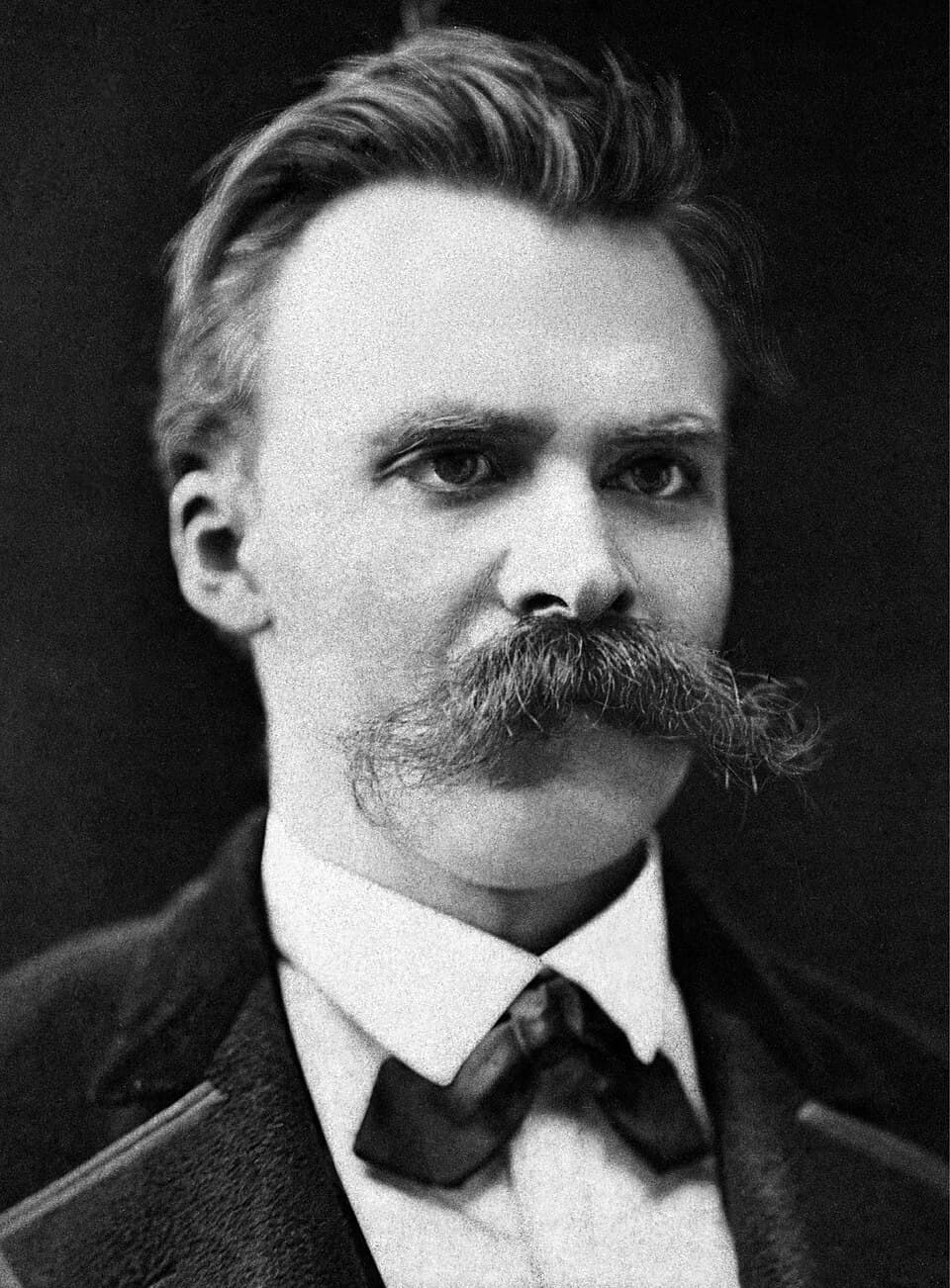
Friedrich Nietzsche
Thus Spake ZarathustraThe author ironically observes that the 'people' believe removing a person's flaws or burdens might actually destroy their spirit or lead them into greater vice.
...thy teaching: but for them to believe fully in thee, one thing is still needful—thou must first of all convince us cripples! Here hast thou now a fine selection, and verily, an opportunity with more than one forelock! The blind canst thou heal, and make the lame run; and from him who hath too much behind, couldst thou well, also, take away a little;—that, I think, would be the right method to make the cripples believe in Zarathustra!” Zarathustra, however, answered thus unto him who so spake:
When one taketh his hump from the hunchback, then doth one take from him his spirit—so do the people teach. And when one giveth the blind man eyes, then doth he see too many bad things on the earth: so that he curseth him who healed him. He, however, who maketh the lame man run, inflicteth upon him the greatest injury; for hardly can he run, when his vices run away with him—so do the people teach concerning cripples. And why should not Zarathustra also learn from the people, when the people learn from Zarathustra?
It is, however, the smallest thing unto me since I have been amongst men, to see one person lacking an eye, another an ear, and a third a leg, and that others have lost the tongue, or the nose, or the head. I see and have seen worse things, and divers things so hideous, that I should neither like to speak of all matters, nor even keep silent about some of them: namely, men who lack everything, except that they have too much of one thing—men who are nothing more than a big eye, or a big mouth,...
2