9 of 10 in Chapter XII. THE FLIES IN THE MARKET-PLACE108 of 593 in work
Flattery's Poisonous Trap
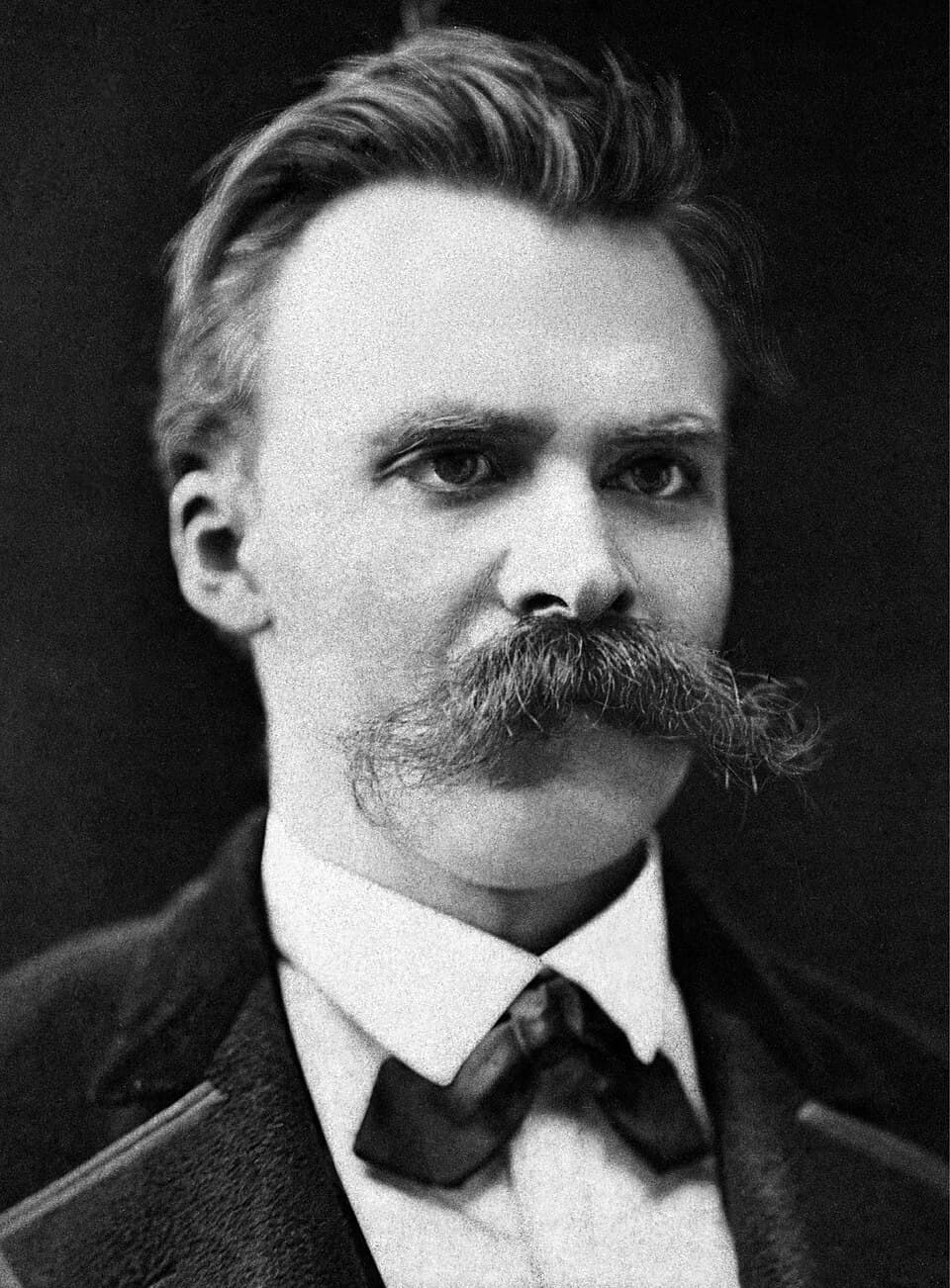
Friedrich Nietzsche
Thus Spake Zarathustra

A warning against the poisonous flattery of the masses, advising the superior individual to remain distant from those who worship or whimper out of smallness.

...ollow by the numerous drops. Thou wilt yet break and burst by the numerous drops. Exhausted I see thee, by poisonous flies; bleeding I see thee, and torn at a hundred spots; and thy pride will not even upbraid. Blood they would have from thee in all innocence; blood their bloodless souls crave for—and they sting, therefore, in all innocence. But thou, profound one, thou sufferest too profoundly even from small wounds; and ere thou hadst recovered, the same poison-worm crawled over thy hand.
Too proud art thou to kill these sweet-tooths. But take care lest it be thy fate to suffer all their poisonous injustice! They buzz around thee also with their praise: obtrusiveness, is their praise. They want to be close to thy skin and thy blood. They flatter thee, as one flattereth a God or devil; they whimper before thee, as before a God or devil.
What doth it come to! Flatterers are they, and whimperers, and nothing more. Often, also, do they show themselves to thee as amiable ones. But that hath ever been the prudence of the cowardly. Yea! the cowardly are wise! They think much about thee with their circumscribed souls—thou art always suspected by them! Whatever is much thought about is at last thought suspicious. They punish thee for all thy virtues. They pardon thee in their inmost hearts only—for thine errors. Because thou art g...
4
10 of 10 in Chapter XII. THE FLIES IN THE MARKET-PLACE109 of 593 in work
The Suspicion of Greatness
Friedrich Nietzsche
Thus Spake Zarathustra

The author critiques the 'small' people who use cowardice and pity to mask their resentment of greatness, punishing the virtuous for their excellence.

...innocence; blood their bloodless souls crave for—and they sting, therefore, in all innocence. But thou, profound one, thou sufferest too profoundly even from small wounds; and ere thou hadst recovered, the same poison-worm crawled over thy hand. Too proud art thou to kill these sweet-tooths. But take care lest it be thy fate to suffer all their poisonous injustice! They buzz around thee also with their praise: obtrusiveness, is their praise. They want to be close to thy skin and thy blood.
They flatter thee, as one flattereth a God or devil; they whimper before thee, as before a God or devil. What doth it come to! Flatterers are they, and whimperers, and nothing more. Often, also, do they show themselves to thee as amiable ones. But that hath ever been the prudence of the cowardly. Yea! the cowardly are wise! They think much about thee with their circumscribed souls—thou art always suspected by them! Whatever is much thought about is at last thought suspicious. They punish thee for all thy virtues. They pardon thee in their inmost hearts only—for thine errors. Because thou art gentle and of upright character, thou sayest:…
Thy silent pride is always counter to their taste; they rejoice if once thou be humble enough to be frivolous. What we recognise in a man, we also irritate in him. Therefore be on your guard against the small ones! In thy presence they feel themselves small, and their baseness gleameth and gloweth against thee in invisible vengeance. Sawest thou not how often they became dumb when thou approachedst them, and how their energy left them like the smoke of an extinguishing fire? Yea, my friend...
Continue reading →
5
1 of 3 in Chapter XIII. CHASTITY110 of 593 in work
Now entering Chapter XIII. CHASTITY
Innocence in Instincts
Friedrich Nietzsche
Thus Spake Zarathustra

A prescription for 'innocence in instincts,' where the author warns against a false chastity that merely suppresses desires while allowing them to fester as envy and discord.

...rough strong breeze bloweth. It is not thy lot to be a fly-flap.— Thus spake Zarathustra. XIII. CHASTITY. I love the forest. It is bad to live in cities: there, there are too many of the lustful. Is it not better to fall into the hands of a murderer, than into the dreams of a lustful woman? And just look at these men: their eye saith it—they know nothing better on earth than to lie with a woman. Filth is at the bottom of their souls; and alas! if their filth hath still spirit in it!
Would that ye were perfect—at least as animals! But to animals belongeth innocence. Do I counsel you to slay your instincts? I counsel you to innocence in your instincts. Do I counsel you to chastity? Chastity is a virtue with some, but with many almost a vice. These are continent, to be sure: but doggish lust looketh enviously out of all that they do. Even into the heights of their virtue and into their cold spirit doth this creature follow them, with its discord. And how nicely can doggish lust beg for a piece of spirit, when a piece of flesh is denied it!
Ye love tragedies and all that breaketh the heart? But I am distrustful of your doggish lust. Ye have too cruel eyes, and ye look wantonly towards the sufferers. Hath not your lust just disguised itself and taken the name of fellow-suffering? And also this parable give I unto you: Not a few who meant to cast out their devil, went thereby into the swine themselves. To whom chastity is difficult, it is to be dissuaded: lest it become the road to hell—to filth and lust of soul. Do I speak of...
4
2 of 3 in Chapter XIII. CHASTITY111 of 593 in work
Pity's Cruel Mask
Friedrich Nietzsche
Thus Spake Zarathustra

The author critiques the hidden motives behind pity and asceticism, suggesting that 'fellow-suffering' is often a disguise for cruelty or lust. He advises against forced chastity, warning that suppressing natural desires can lead to spiritual filth.

...h innocence. Do I counsel you to slay your instincts? I counsel you to innocence in your instincts. Do I counsel you to chastity? Chastity is a virtue with some, but with many almost a vice. These are continent, to be sure: but doggish lust looketh enviously out of all that they do. Even into the heights of their virtue and into their cold spirit doth this creature follow them, with its discord. And how nicely can doggish lust beg for a piece of spirit, when a piece of flesh is denied it!
Ye love tragedies and all that breaketh the heart? But I am distrustful of your doggish lust. Ye have too cruel eyes, and ye look wantonly towards the sufferers. Hath not your lust just disguised itself and taken the name of fellow-suffering? And also this parable give I unto you: Not a few who meant to cast out their devil, went thereby into the swine themselves. To whom chastity is difficult, it is to be dissuaded: lest it become the road to hell—to filth and lust of soul.
Do I speak of filthy things? That is not the worst thing for me to do. Not when the truth is filthy, but when it is shallow, doth the discerning one go unwillingly into its waters. Verily, there are chaste ones from their very nature; they are gentler of heart, and laugh better and oftener than you. They laugh also at chastity, and ask: “What is chastity? Is chastity not folly? But the folly came unto us, and not we unto it. We offered that guest harbour and heart: now it dwelleth with us...
5
3 of 3 in Chapter XIII. CHASTITY112 of 593 in work
Chastity as Folly
Friedrich Nietzsche
Thus Spake Zarathustra

A reflection on the nature of truth and chastity, suggesting that the discerning mind fears shallowness more than filth and that virtues like chastity should be treated as accidental guests.

...am distrustful of your doggish lust. Ye have too cruel eyes, and ye look wantonly towards the sufferers. Hath not your lust just disguised itself and taken the name of fellow-suffering? And also this parable give I unto you: Not a few who meant to cast out their devil, went thereby into the swine themselves. To whom chastity is difficult, it is to be dissuaded: lest it become the road to hell—to filth and lust of soul. Do I speak of filthy things? That is not the worst thing for me to do.
Not when the truth is filthy, but when it is shallow, doth the discerning one go unwillingly into its waters. Verily, there are chaste ones from their very nature; they are gentler of heart, and laugh better and oftener than you. They laugh also at chastity, and ask: “What is chastity? Is chastity not folly? But the folly came unto us, and not we unto it. We offered that guest harbour and heart: now it dwelleth with us—let it stay as long as it will!”
— Thus spake Zarathustra. XIV. THE FRIEND. “One, is always too many about me”—thinketh the anchorite. “Always once one—that maketh two in the long run!” I and me are always too earnestly in conversation: how could it be endured, if there were not a friend? The friend of the anchorite is always the third one: the third one is the cork which preventeth the conversation of the two sinking into the depth. Ah! there are too many depths for all anchorites. Therefore, do they long so much fo...
6