Winter's Faithful Poverty
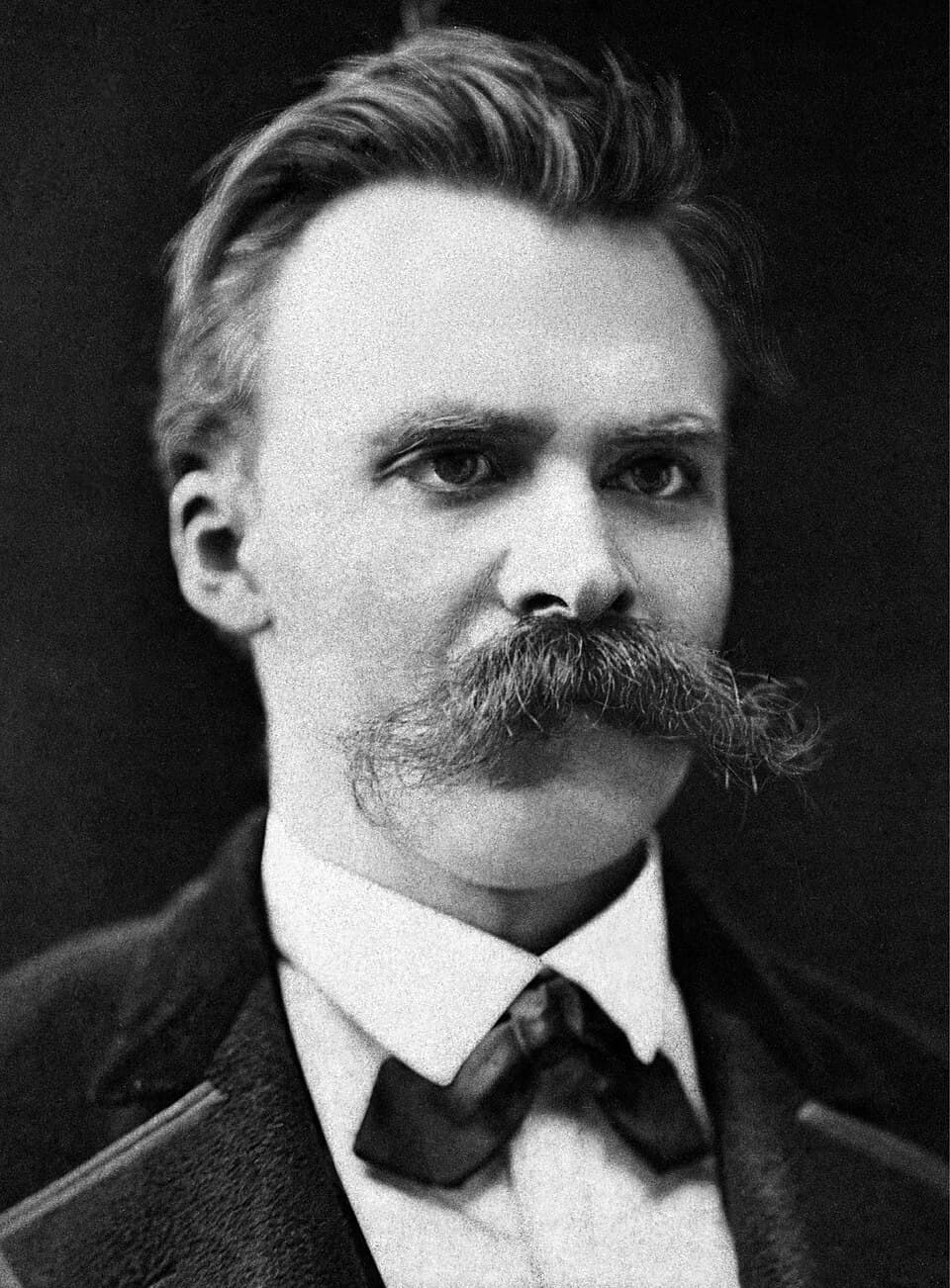
Friedrich Nietzsche
Thus Spake ZarathustraA reflection on the solitary joys of winter and the morning, where the author finds a wicked happiness in the silence and harshness of the elements.
...grudge against all ardent, steaming, steamy fire-idols. Him whom I love, I love better in winter than in summer; better do I now mock at mine enemies, and more heartily, when winter sitteth in my house. Heartily, verily, even when I CREEP into bed—: there, still laugheth and wantoneth my hidden happiness; even my deceptive dream laugheth. I, a—creeper? Never in my life did I creep before the powerful; and if ever I lied, then did I lie out of love. Therefore am I glad even in my winter-bed.
A poor bed warmeth me more than a rich one, for I am jealous of my poverty. And in winter she is most faithful unto me. With a wickedness do I begin every day: I mock at the winter with a cold bath: on that account grumbleth my stern house-mate. Also do I like to tickle him with a wax-taper, that he may finally let the heavens emerge from ashy-grey twilight. For especially wicked am I in the morning: at the early hour when the pail rattleth at the well, and horses neigh warmly in grey lanes:— Impatiently do I then wait, that the clear sky may finally dawn for me, the snow-bearded winter-sky, the hoary one, the whitehead,— —The winter-sky, the…
Did I perhaps learn from it the long clear silence? Or did it learn it from me? Or hath each of us devised it himself? Of all good things the origin is a thousandfold,—all good roguish things spring into existence for joy: how could they always do so—for once only! A good roguish thing is also the long silence, and to look, like the winter-sky, out of a clear, round-eyed countenance:— —Like it to stifle one’s sun, and one’s inflexible solar will: verily, this art and this winter-roguishness...
Continue reading →
2