3 of 8 in Chapter XXV. THE PITIFUL187 of 593 in work
The Bestower's Wisdom
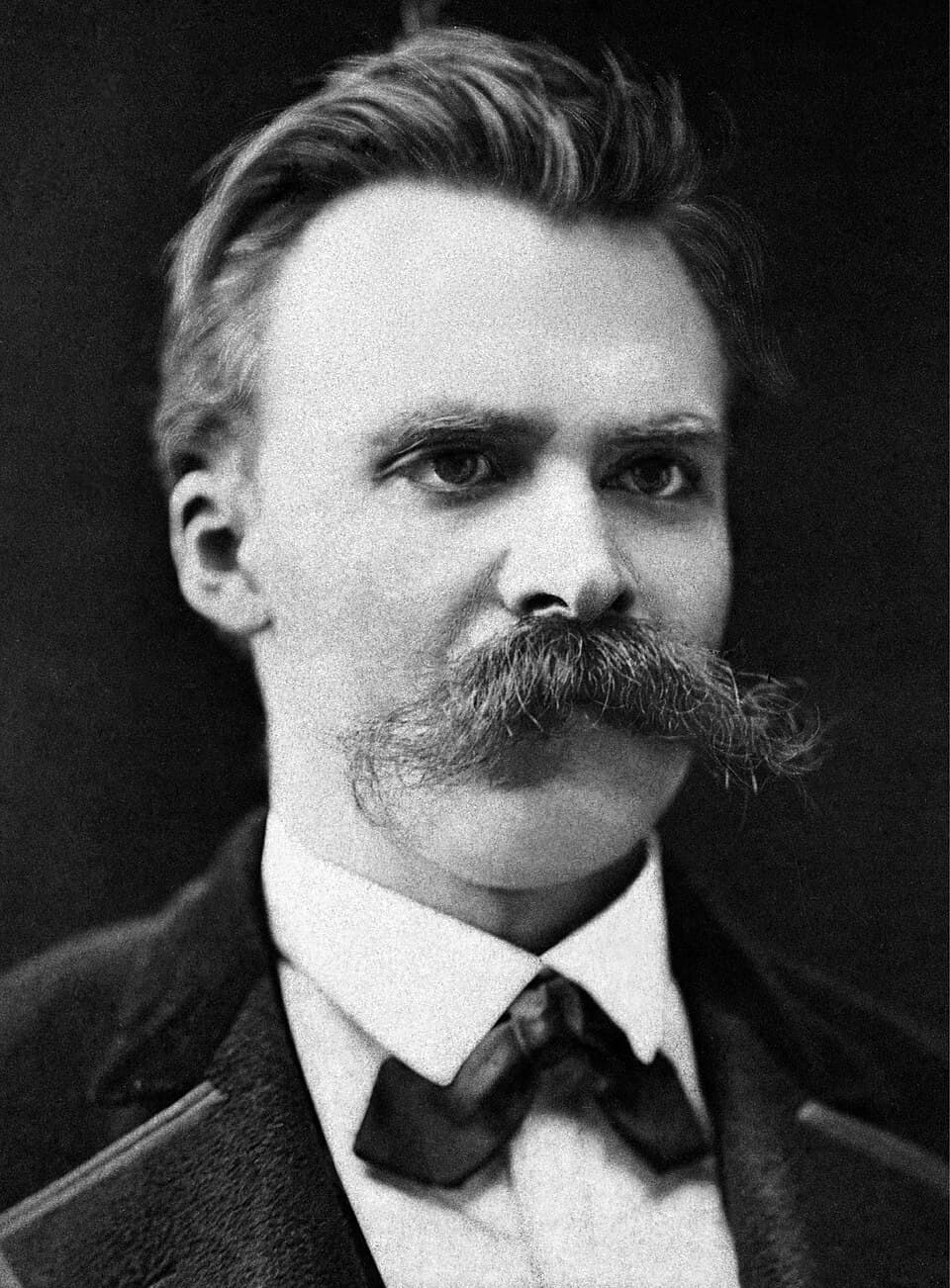
Friedrich Nietzsche
Thus Spake Zarathustra

The author warns that excessive or unearned favors can breed resentment rather than gratitude, advising a discerning and noble approach to both giving and receiving.

...ad learned to enjoy myself better. Since humanity came into being, man hath enjoyed himself too little: that alone, my brethren, is our original sin! And when we learn better to enjoy ourselves, then do we unlearn best to give pain unto others, and to contrive pain. Therefore do I wash the hand that hath helped the sufferer; therefore do I wipe also my soul. For in seeing the sufferer suffering—thereof was I ashamed on account of his shame; and in helping him, sorely did I wound his pride.
Great obligations do not make grateful, but revengeful; and when a small kindness is not forgotten, it becometh a gnawing worm. “Be shy in accepting! Distinguish by accepting!”—thus do I advise those who have naught to bestow. I, however, am a bestower: willingly do I bestow as friend to friends.
Strangers, however, and the poor, may pluck for themselves the fruit from my tree: thus doth it cause less shame. Beggars, however, one should entirely do away with! Verily, it annoyeth one to give unto them, and it annoyeth one not to give unto them. And likewise sinners and bad consciences! Believe me, my friends: the sting of conscience teacheth one to sting. The worst things, however, are the petty thoughts. Verily, better to have done evilly than to have thought pettily! To be sure, ye...
3
4 of 8 in Chapter XXV. THE PITIFUL188 of 593 in work
Evil Deed's Honesty
Friedrich Nietzsche
Thus Spake Zarathustra

The author argues that a single 'evil deed' is more honorable than 'petty thoughts,' as the former is an honest disease while the latter is a hidden infection that withers the soul.

...nd to friends. Strangers, however, and the poor, may pluck for themselves the fruit from my tree: thus doth it cause less shame. Beggars, however, one should entirely do away with! Verily, it annoyeth one to give unto them, and it annoyeth one not to give unto them. And likewise sinners and bad consciences! Believe me, my friends: the sting of conscience teacheth one to sting. The worst things, however, are the petty thoughts. Verily, better to have done evilly than to have thought pettily!
To be sure, ye say: “The delight in petty evils spareth one many a great evil deed.” But here one should not wish to be sparing. Like a boil is the evil deed: it itcheth and irritateth and breaketh forth—it speaketh honourably. “Behold, I am disease,” saith the evil deed: that is its honourableness. But like infection is the petty thought: it creepeth and hideth, and wanteth to be nowhere—until the whole body is decayed and withered by the petty infection.
To him however, who is possessed of a devil, I would whisper this word in the ear: “Better for thee to rear up thy devil! Even for thee there is still a path to greatness!”— Ah, my brethren! One knoweth a little too much about every one! And many a one becometh transparent to us, but still we can by no means penetrate him. It is difficult to live among men because silence is so difficult. And not to him who is offensive to us are we most unfair, but to him who doth not concern us at all. I...
6
5 of 8 in Chapter XXV. THE PITIFUL189 of 593 in work
Silence's Difficulty
Friedrich Nietzsche
Thus Spake Zarathustra

A thesis on the difficulty of human social existence, where the transparency of others makes silence a challenge. The author notes that we are often most unfair to those who are irrelevant to us rather than those who offend us.

...l is the evil deed: it itcheth and irritateth and breaketh forth—it speaketh honourably. “Behold, I am disease,” saith the evil deed: that is its honourableness. But like infection is the petty thought: it creepeth and hideth, and wanteth to be nowhere—until the whole body is decayed and withered by the petty infection. To him however, who is possessed of a devil, I would whisper this word in the ear: “Better for thee to rear up thy devil! Even for thee there is still a path to greatness!”—
Ah, my brethren! One knoweth a little too much about every one! And many a one becometh transparent to us, but still we can by no means penetrate him. It is difficult to live among men because silence is so difficult. And not to him who is offensive to us are we most unfair, but to him who doth not concern us at all.
If, however, thou hast a suffering friend, then be a resting-place for his suffering; like a hard bed, however, a camp-bed: thus wilt thou serve him best. And if a friend doeth thee wrong, then say: “I forgive thee what thou hast done unto me; that thou hast done it unto THYSELF, however—how could I forgive that!” Thus speaketh all great love: it surpasseth even forgiveness and pity. One should hold fast one’s heart; for when one letteth it go, how quickly doth one’s head run away! Ah, whe...
5
6 of 8 in Chapter XXV. THE PITIFUL190 of 593 in work
Love Beyond Forgiveness
Friedrich Nietzsche
Thus Spake Zarathustra

A reflection on friendship and love that prioritizes being a 'hard bed' of support and surpassing mere pity to hold friends accountable for the wrongs they do to themselves.

...rableness. But like infection is the petty thought: it creepeth and hideth, and wanteth to be nowhere—until the whole body is decayed and withered by the petty infection. To him however, who is possessed of a devil, I would whisper this word in the ear: “Better for thee to rear up thy devil! Even for thee there is still a path to greatness!”— Ah, my brethren! One knoweth a little too much about every one! And many a one becometh transparent to us, but still we can by no means penetrate him.
It is difficult to live among men because silence is so difficult. And not to him who is offensive to us are we most unfair, but to him who doth not concern us at all. If, however, thou hast a suffering friend, then be a resting-place for his suffering; like a hard bed, however, a camp-bed: thus wilt thou serve him best. And if a friend doeth thee wrong, then say: “I forgive thee what thou hast done unto me; that thou hast done it unto THYSELF, however—how could I forgive that!” Thus speaketh all great love: it surpasseth even forgiveness and pity.
One should hold fast one’s heart; for when one letteth it go, how quickly doth one’s head run away! Ah, where in the world have there been greater follies than with the pitiful? And what in the world hath caused more suffering than the follies of the pitiful? Woe unto all loving ones who have not an elevation which is above their pity! Thus spake the devil unto me, once on a time: “Even God hath his hell: it is his love for man.” And lately, did I hear him say these words: “God is dead: of...
3
7 of 8 in Chapter XXV. THE PITIFUL191 of 593 in work
Pity's Heavy Cloud
Friedrich Nietzsche
Thus Spake Zarathustra

The author warns against the dangers of pity, suggesting it is a folly that causes more suffering than it alleviates. He famously asserts that 'God is dead' because of his pity for man, urging individuals to maintain an elevation above such sentiments.

...icult. And not to him who is offensive to us are we most unfair, but to him who doth not concern us at all. If, however, thou hast a suffering friend, then be a resting-place for his suffering; like a hard bed, however, a camp-bed: thus wilt thou serve him best. And if a friend doeth thee wrong, then say: “I forgive thee what thou hast done unto me; that thou hast done it unto THYSELF, however—how could I forgive that!” Thus speaketh all great love: it surpasseth even forgiveness and pity.
One should hold fast one’s heart; for when one letteth it go, how quickly doth one’s head run away! Ah, where in the world have there been greater follies than with the pitiful? And what in the world hath caused more suffering than the follies of the pitiful? Woe unto all loving ones who have not an elevation which is above their pity! Thus spake the devil unto me, once on a time: “Even God hath his hell: it is his love for man.” And lately, did I hear him say these words: “God is dead: of his pity for man hath God died.”— So be ye warned against pity: FROM THENCE there yet cometh unto men a heavy cloud!
Verily, I understand weather-signs! But attend also to this word: All great love is above all its pity: for it seeketh—to create what is loved! “Myself do I offer unto my love, AND MY NEIGHBOUR AS MYSELF”—such is the language of all creators. All creators, however, are hard.— Thus spake Zarathustra. XXVI. THE PRIESTS. And one day Zarathustra made a sign to his disciples, and spake these words unto them: “Here are priests: but although they are mine enemies, pass them quietly and with...
2