Passions into Virtues
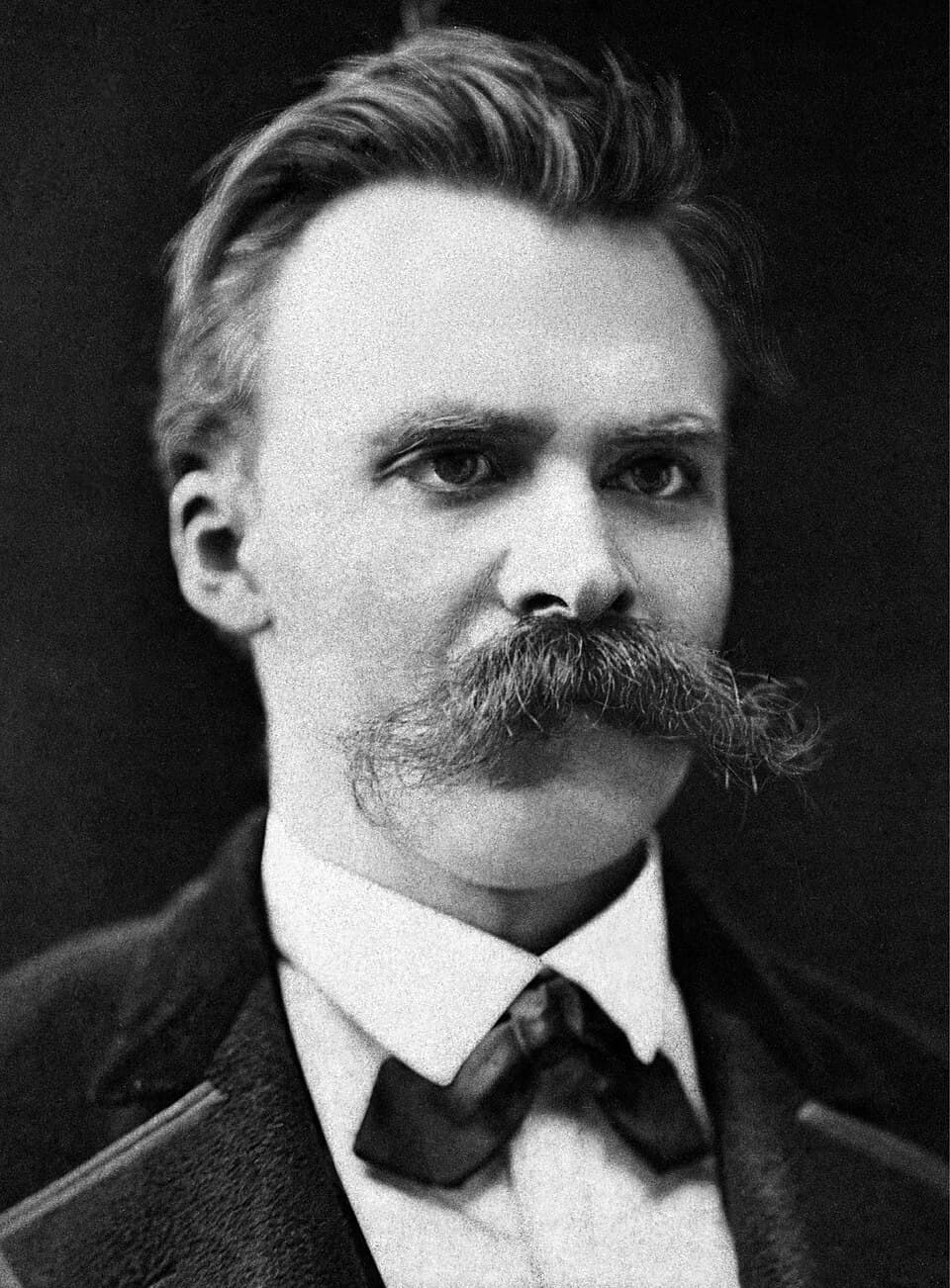
Friedrich Nietzsche
Thus Spake ZarathustraThe author argues that personal growth involves sublimating one's base passions and 'devils' into virtues and 'angels,' turning internal poisons into healing balsams.
...ve, thus doth it please me entirely, thus only do I desire the good. Not as the law of a God do I desire it, not as a human law or a human need do I desire it; it is not to be a guide-post for me to superearths and paradises. An earthly virtue is it which I love: little prudence is therein, and the least everyday wisdom. But that bird built its nest beside me: therefore, I love and cherish it—now sitteth it beside me on its golden eggs.” Thus shouldst thou stammer, and praise thy virtue.
Once hadst thou passions and calledst them evil. But now hast thou only thy virtues: they grew out of thy passions. Thou implantedst thy highest aim into the heart of those passions: then became they thy virtues and joys. And though thou wert of the race of the hot-tempered, or of the voluptuous, or of the fanatical, or the vindictive; All thy passions in the end became virtues, and all thy devils angels. Once hadst thou wild dogs in thy cellar: but they changed at last into birds and charming songstresses. Out of thy poisons brewedst thou balsam for thyself; thy cow, affliction, milkedst thou—now drinketh thou the sweet milk of her udder.
And nothing evil groweth in thee any longer, unless it be the evil that groweth out of the conflict of thy virtues. My brother, if thou be fortunate, then wilt thou have one virtue and no more: thus goest thou easier over the bridge. Illustrious is it to have many virtues, but a hard lot; and many a one hath gone into the wilderness and killed himself, because he was weary of being the battle and battlefield of virtues. My brother, are war and battle evil? Necessary, however, is the evil; n...
5