Melancholy Devil's Longing
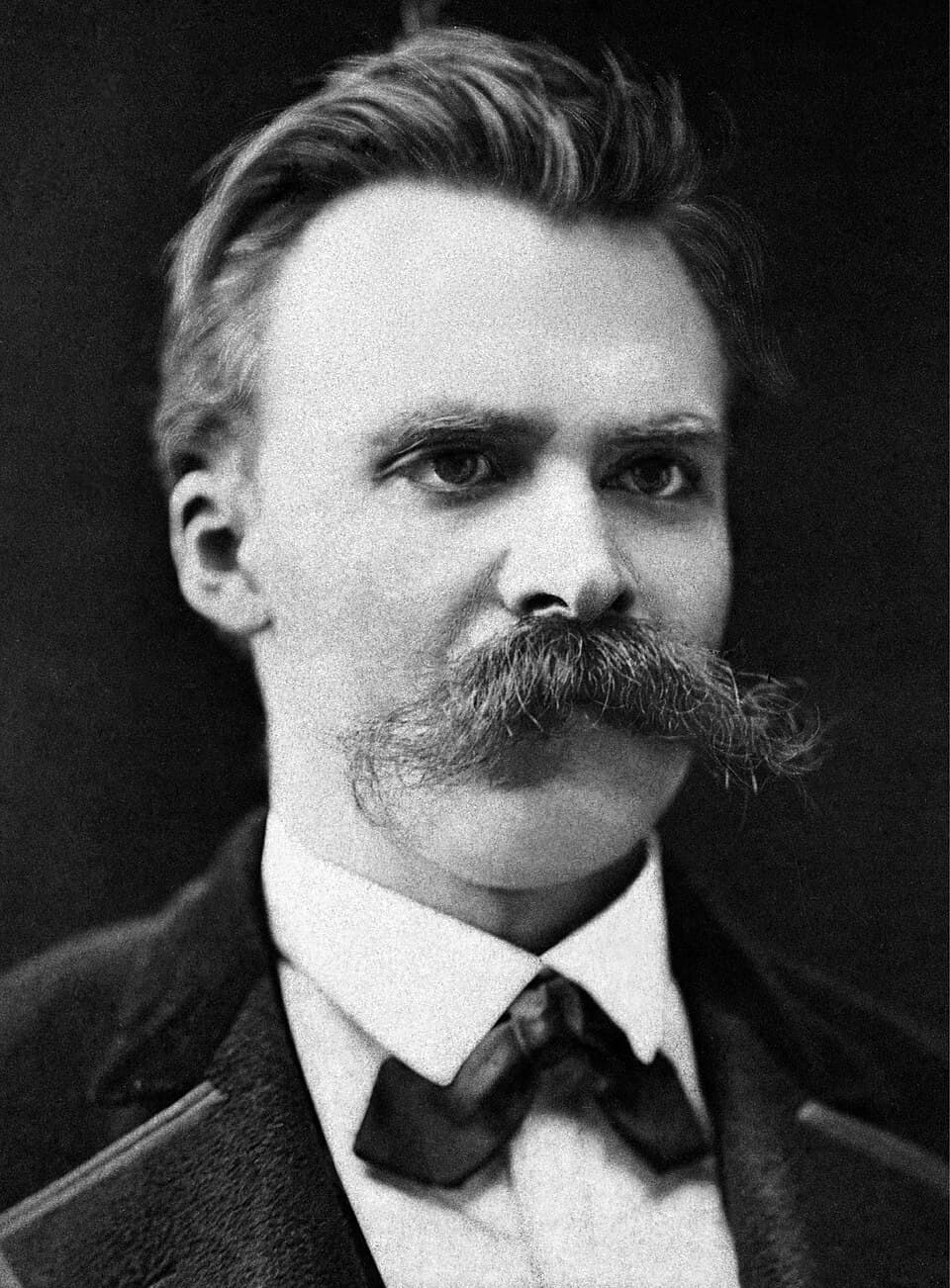
Friedrich Nietzsche
Thus Spake ZarathustraA reflection on the 'great loathing' felt by higher men in a world where the old God has died, describing Zarathustra as a beautiful mask for a deeper, more melancholic spirit.
...eth—already doth mine evil spirit of deceit and magic attack me, my melancholy devil, —Which is an adversary to this Zarathustra from the very heart: forgive it for this! Now doth it wish to conjure before you, it hath just ITS hour; in vain do I struggle with this evil spirit. Unto all of you, whatever honours ye like to assume in your names, whether ye call yourselves ‘the free spirits’ or ‘the conscientious,’ or ‘the penitents of the spirit,’ or ‘the unfettered,’ or ‘the great longers,’— —
Unto all of you, who like me suffer FROM THE GREAT LOATHING, to whom the old God hath died, and as yet no new God lieth in cradles and swaddling clothes—unto all of you is mine evil spirit and magic-devil favourable. I know you, ye higher men, I know him,—I know also this fiend whom I love in spite of me, this Zarathustra: he himself often seemeth to me like the beautiful mask of a saint, —Like a new strange mummery in which mine evil spirit, the melancholy devil, delighteth:—I love Zarathustra, so doth it often seem to me, for the sake of mine evil spirit.— But already doth IT attack me and constrain me, this spirit of melancholy, this…
open your wits! The day dieth out, unto all things cometh now the evening, also unto the best things; hear now, and see, ye higher men, what devil—man or woman—this spirit of evening-melancholy is!” Thus spake the old magician, looked cunningly about him, and then seized his harp. 3. In evening’s limpid air, What time the dew’s soothings Unto the earth downpour, Invisibly and unheard— For tender shoe-gear wear The soothing dews, like all that’s kind-gentle—:...
Continue reading →
1