5 of 5 in Chapter I. THE THREE METAMORPHOSES46 of 593 in work
The Child's Holy Yea
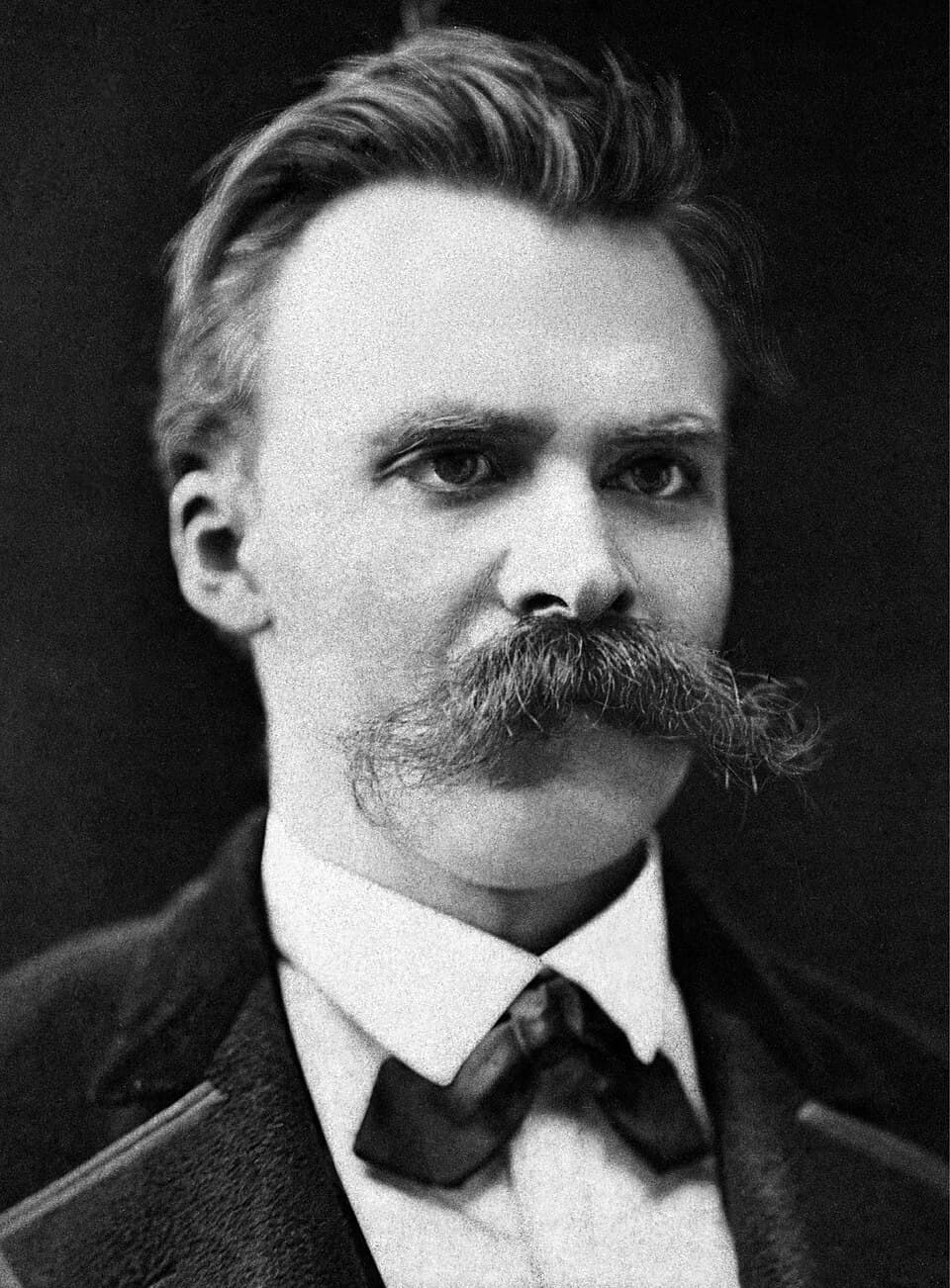
Friedrich Nietzsche
Thus Spake Zarathustra

A vision of the spirit's transformation from the 'lion' of rebellion to the 'child' of innocence, which is necessary for the holy 'Yea' of new creation.

...n, wherefore is there need of the lion in the spirit? Why sufficeth not the beast of burden, which renounceth and is reverent? To create new values—that, even the lion cannot yet accomplish: but to create itself freedom for new creating—that can the might of the lion do. To create itself freedom, and give a holy Nay even unto duty: for that, my brethren, there is need of the lion. To assume the right to new values—that is the most formidable assumption for a load-bearing and reverent spirit.
Verily, unto such a spirit it is preying, and the work of a beast of prey. As its holiest, it once loved “Thou shalt”: now is it forced to find illusion and arbitrariness even in the holiest things, that it may capture freedom from its love: the lion is needed for this capture. But tell me, my brethren, what the child can do, which even the lion could not do? Why hath the preying lion still to become a child? Innocence is the child, and forgetfulness, a new beginning, a game, a self-rolling wheel, a first movement, a holy Yea. Aye, for the game of creating, my brethren, there is needed a holy Yea unto life: ITS OWN will, willeth now the…
Three metamorphoses of the spirit have I designated to you: how the spirit became a camel, the camel a lion, and the lion at last a child.— Thus spake Zarathustra. And at that time he abode in the town which is called The Pied Cow. II. THE ACADEMIC CHAIRS OF VIRTUE. People commended unto Zarathustra a wise man, as one who could discourse well about sleep and virtue: greatly was he honoured and rewarded for it, and all the youths sat before his chair. To him went Zarathustra, and sat amo...
Continue reading →
1
1 of 5 in Chapter II. THE ACADEMIC CHAIRS OF VIRTUE47 of 593 in work
Now entering Chapter II. THE ACADEMIC CHAIRS OF VIRTUE
Respect for Sleep
Friedrich Nietzsche
Thus Spake Zarathustra

The author prescribes the 'art of sleep' as a reward for a day spent in self-overcoming, suggesting that true rest requires the discipline of daily struggle.

...how the spirit became a camel, the camel a lion, and the lion at last a child.— Thus spake Zarathustra. And at that time he abode in the town which is called The Pied Cow. II. THE ACADEMIC CHAIRS OF VIRTUE. People commended unto Zarathustra a wise man, as one who could discourse well about sleep and virtue: greatly was he honoured and rewarded for it, and all the youths sat before his chair. To him went Zarathustra, and sat among the youths before his chair. And thus spake the wise man:
Respect and modesty in presence of sleep! That is the first thing! And to go out of the way of all who sleep badly and keep awake at night! Modest is even the thief in presence of sleep: he always stealeth softly through the night. Immodest, however, is the night-watchman; immodestly he carrieth his horn. No small art is it to sleep: it is necessary for that purpose to keep awake all day. Ten times a day must thou overcome thyself: that causeth wholesome weariness, and is poppy to the soul.
Ten times must thou reconcile again with thyself; for overcoming is bitterness, and badly sleep the unreconciled. Ten truths must thou find during the day; otherwise wilt thou seek truth during the night, and thy soul will have been hungry. Ten times must thou laugh during the day, and be cheerful; otherwise thy stomach, the father of affliction, will disturb thee in the night. Few people know it, but one must have all the virtues in order to sleep well. Shall I bear false witness? Shall I...
2
2 of 5 in Chapter II. THE ACADEMIC CHAIRS OF VIRTUE48 of 593 in work
Virtues at Rest
Friedrich Nietzsche
Thus Spake Zarathustra

A satirical take on traditional morality, suggesting that virtues are primarily useful as a means to achieve a peaceful, undisturbed night's sleep.

...all day. Ten times a day must thou overcome thyself: that causeth wholesome weariness, and is poppy to the soul. Ten times must thou reconcile again with thyself; for overcoming is bitterness, and badly sleep the unreconciled. Ten truths must thou find during the day; otherwise wilt thou seek truth during the night, and thy soul will have been hungry. Ten times must thou laugh during the day, and be cheerful; otherwise thy stomach, the father of affliction, will disturb thee in the night.
Few people know it, but one must have all the virtues in order to sleep well. Shall I bear false witness? Shall I commit adultery? Shall I covet my neighbour’s maidservant? All that would ill accord with good sleep. And even if one have all the virtues, there is still one thing needful: to send the virtues themselves to sleep at the right time. That they may not quarrel with one another, the good females! And about thee, thou unhappy one! Peace with God and thy neighbour: so desireth good sleep.
And peace also with thy neighbour’s devil! Otherwise it will haunt thee in the night. Honour to the government, and obedience, and also to the crooked government! So desireth good sleep. How can I help it, if power like to walk on crooked legs? He who leadeth his sheep to the greenest pasture, shall always be for me the best shepherd: so doth it accord with good sleep. Many honours I want not, nor great treasures: they excite the spleen. But it is bad sleeping without a good name and a littl...
4
3 of 5 in Chapter II. THE ACADEMIC CHAIRS OF VIRTUE49 of 593 in work
Peace for Sleep
Friedrich Nietzsche
Thus Spake Zarathustra

The author prescribes a pragmatic peace with one's neighbors and even corrupt governments as a necessary condition for achieving restful sleep.

...ther of affliction, will disturb thee in the night. Few people know it, but one must have all the virtues in order to sleep well. Shall I bear false witness? Shall I commit adultery? Shall I covet my neighbour’s maidservant? All that would ill accord with good sleep. And even if one have all the virtues, there is still one thing needful: to send the virtues themselves to sleep at the right time. That they may not quarrel with one another, the good females! And about thee, thou unhappy one!
Peace with God and thy neighbour: so desireth good sleep. And peace also with thy neighbour’s devil! Otherwise it will haunt thee in the night. Honour to the government, and obedience, and also to the crooked government! So desireth good sleep. How can I help it, if power like to walk on crooked legs? He who leadeth his sheep to the greenest pasture, shall always be for me the best shepherd: so doth it accord with good sleep.
Many honours I want not, nor great treasures: they excite the spleen. But it is bad sleeping without a good name and a little treasure. A small company is more welcome to me than a bad one: but they must come and go at the right time. So doth it accord with good sleep. Well, also, do the poor in spirit please me: they promote sleep. Blessed are they, especially if one always give in to them. Thus passeth the day unto the virtuous. When night cometh, then take I good care not to summon sleep...
3
4 of 5 in Chapter II. THE ACADEMIC CHAIRS OF VIRTUE50 of 593 in work
Sleep's Reluctant Lord
Friedrich Nietzsche
Thus Spake Zarathustra

A satirical vision of the 'virtuous' who use simple-mindedness and conformity to achieve a peaceful sleep, contrasting their complacency with a more rigorous existence.

...oked government! So desireth good sleep. How can I help it, if power like to walk on crooked legs? He who leadeth his sheep to the greenest pasture, shall always be for me the best shepherd: so doth it accord with good sleep. Many honours I want not, nor great treasures: they excite the spleen. But it is bad sleeping without a good name and a little treasure. A small company is more welcome to me than a bad one: but they must come and go at the right time. So doth it accord with good sleep.
Well, also, do the poor in spirit please me: they promote sleep. Blessed are they, especially if one always give in to them. Thus passeth the day unto the virtuous. When night cometh, then take I good care not to summon sleep. It disliketh to be summoned—sleep, the lord of the virtues!
But I think of what I have done and thought during the day. Thus ruminating, patient as a cow, I ask myself: What were thy ten overcomings? And what were the ten reconciliations, and the ten truths, and the ten laughters with which my heart enjoyed itself? Thus pondering, and cradled by forty thoughts, it overtaketh me all at once—sleep, the unsummoned, the lord of the virtues. Sleep tappeth on mine eye, and it turneth heavy. Sleep toucheth my mouth, and it remaineth open. Verily, on soft...
2