1 of 4 in Chapter V. JOYS AND PASSIONS65 of 593 in work
Now entering Chapter V. JOYS AND PASSIONS
Virtue's Nameless Height
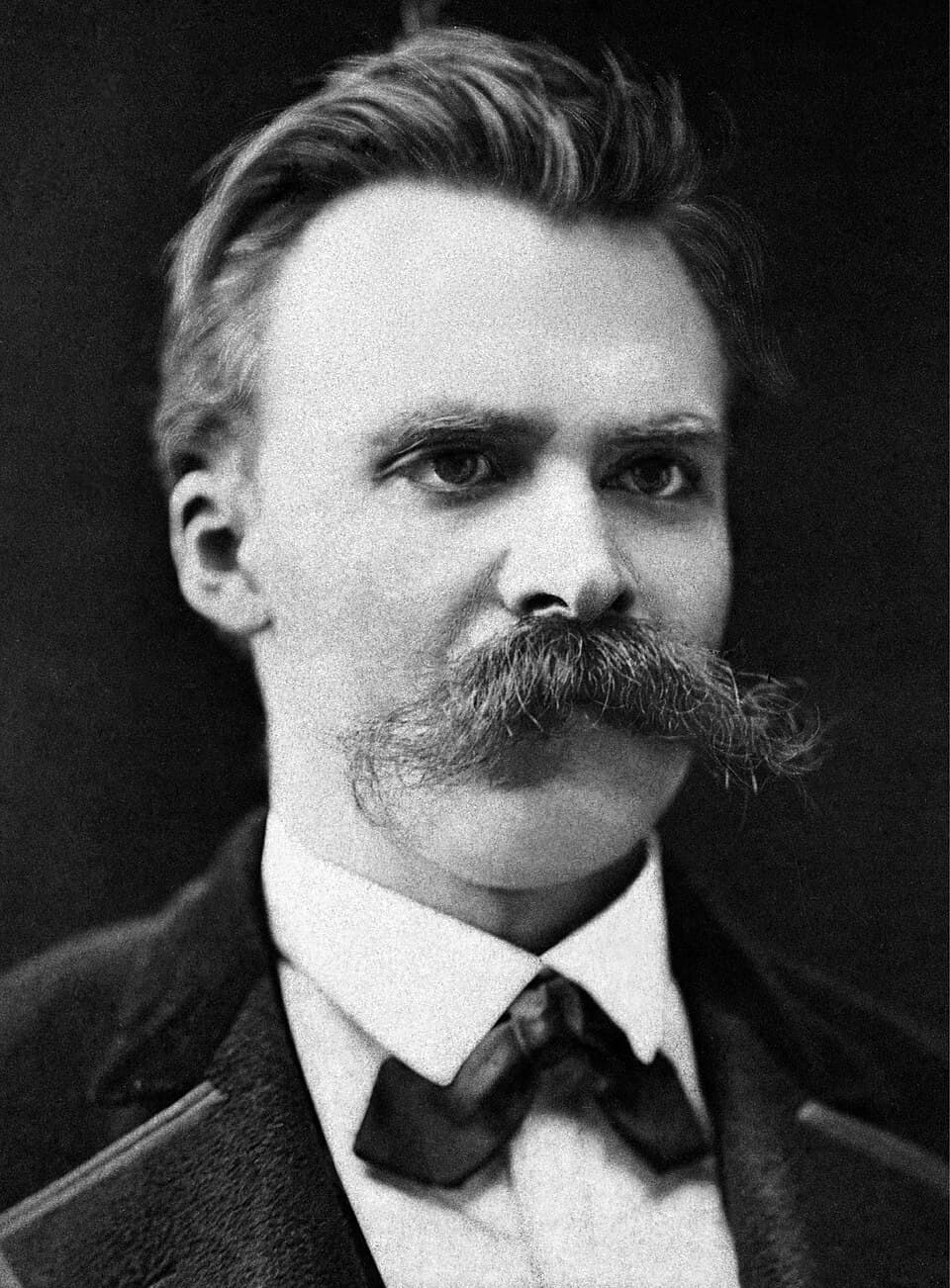
Friedrich Nietzsche
Thus Spake Zarathustra

The author argues that true virtue is a deeply personal, nameless experience that loses its essence when labeled or shared with the 'herd.'

...rvour. But it is now too late to do so:—so your Self wisheth to succumb, ye despisers of the body. To succumb—so wisheth your Self; and therefore have ye become despisers of the body. For ye can no longer create beyond yourselves. And therefore are ye now angry with life and with the earth. And unconscious envy is in the sidelong look of your contempt. I go not your way, ye despisers of the body! Ye are no bridges for me to the Superman!— Thus spake Zarathustra. V. JOYS AND PASSIONS.
My brother, when thou hast a virtue, and it is thine own virtue, thou hast it in common with no one. To be sure, thou wouldst call it by name and caress it; thou wouldst pull its ears and amuse thyself with it. And lo! Then hast thou its name in common with the people, and hast become one of the people and the herd with thy virtue! Better for thee to say: “Ineffable is it, and nameless, that which is pain and sweetness to my soul, and also the hunger of my bowels.” Let thy virtue be too high for the familiarity of names, and if thou must speak of it, be not ashamed to stammer about it.
Thus speak and stammer: “That is MY good, that do I love, thus doth it please me entirely, thus only do I desire the good. Not as the law of a God do I desire it, not as a human law or a human need do I desire it; it is not to be a guide-post for me to superearths and paradises. An earthly virtue is it which I love: little prudence is therein, and the least everyday wisdom. But that bird built its nest beside me: therefore, I love and cherish it—now sitteth it beside me on its golden eggs...
5
2 of 4 in Chapter V. JOYS AND PASSIONS66 of 593 in work
Nameless Virtue
Friedrich Nietzsche
Thus Spake Zarathustra

The author prescribes a private, 'ineffable' relationship with one's own virtue, urging the individual to reject common names and social labels in favor of a personal, earthly morality.

...o succumb—so wisheth your Self; and therefore have ye become despisers of the body. For ye can no longer create beyond yourselves. And therefore are ye now angry with life and with the earth. And unconscious envy is in the sidelong look of your contempt. I go not your way, ye despisers of the body! Ye are no bridges for me to the Superman!— Thus spake Zarathustra. V. JOYS AND PASSIONS. My brother, when thou hast a virtue, and it is thine own virtue, thou hast it in common with no one.
To be sure, thou wouldst call it by name and caress it; thou wouldst pull its ears and amuse thyself with it. And lo! Then hast thou its name in common with the people, and hast become one of the people and the herd with thy virtue! Better for thee to say: “Ineffable is it, and nameless, that which is pain and sweetness to my soul, and also the hunger of my bowels.” Let thy virtue be too high for the familiarity of names, and if thou must speak of it, be not ashamed to stammer about it. Thus speak and stammer: “That is MY good, that do I love, thus doth it please me entirely, thus only do I desire the good. Not as the law of a God do I…
Once hadst thou passions and calledst them evil. But now hast thou only thy virtues: they grew out of thy passions. Thou implantedst thy highest aim into the heart of those passions: then became they thy virtues and joys. And though thou wert of the race of the hot-tempered, or of the voluptuous, or of the fanatical, or the vindictive; All thy passions in the end became virtues, and all thy devils angels. Once hadst thou wild dogs in thy cellar: but they changed at last into birds and char...
Continue reading →
3
3 of 4 in Chapter V. JOYS AND PASSIONS67 of 593 in work
Passions into Virtues
Friedrich Nietzsche
Thus Spake Zarathustra

The author argues that personal growth involves sublimating one's base passions and 'devils' into virtues and 'angels,' turning internal poisons into healing balsams.

...ve, thus doth it please me entirely, thus only do I desire the good. Not as the law of a God do I desire it, not as a human law or a human need do I desire it; it is not to be a guide-post for me to superearths and paradises. An earthly virtue is it which I love: little prudence is therein, and the least everyday wisdom. But that bird built its nest beside me: therefore, I love and cherish it—now sitteth it beside me on its golden eggs.” Thus shouldst thou stammer, and praise thy virtue.
Once hadst thou passions and calledst them evil. But now hast thou only thy virtues: they grew out of thy passions. Thou implantedst thy highest aim into the heart of those passions: then became they thy virtues and joys. And though thou wert of the race of the hot-tempered, or of the voluptuous, or of the fanatical, or the vindictive; All thy passions in the end became virtues, and all thy devils angels. Once hadst thou wild dogs in thy cellar: but they changed at last into birds and charming songstresses. Out of thy poisons brewedst thou balsam for thyself; thy cow, affliction, milkedst thou—now drinketh thou the sweet milk of her udder.
And nothing evil groweth in thee any longer, unless it be the evil that groweth out of the conflict of thy virtues. My brother, if thou be fortunate, then wilt thou have one virtue and no more: thus goest thou easier over the bridge. Illustrious is it to have many virtues, but a hard lot; and many a one hath gone into the wilderness and killed himself, because he was weary of being the battle and battlefield of virtues. My brother, are war and battle evil? Necessary, however, is the evil; n...
5
4 of 4 in Chapter V. JOYS AND PASSIONS68 of 593 in work
Virtues at War
Friedrich Nietzsche
Thus Spake Zarathustra

The author argues that virtues are inherently jealous and competitive, suggesting that while having many virtues is a heavy burden that can lead to self-destruction, man must ultimately be surpassed through them.

...pered, or of the voluptuous, or of the fanatical, or the vindictive; All thy passions in the end became virtues, and all thy devils angels. Once hadst thou wild dogs in thy cellar: but they changed at last into birds and charming songstresses. Out of thy poisons brewedst thou balsam for thyself; thy cow, affliction, milkedst thou—now drinketh thou the sweet milk of her udder. And nothing evil groweth in thee any longer, unless it be the evil that groweth out of the conflict of thy virtues.
My brother, if thou be fortunate, then wilt thou have one virtue and no more: thus goest thou easier over the bridge. Illustrious is it to have many virtues, but a hard lot; and many a one hath gone into the wilderness and killed himself, because he was weary of being the battle and battlefield of virtues. My brother, are war and battle evil? Necessary, however, is the evil; necessary are the envy and the distrust and the back-biting among the virtues. Lo! how each of thy virtues is covetous of the highest place; it wanteth thy whole spirit to be ITS herald, it wanteth thy whole power, in wrath, hatred, and love. Jealous is every virtue of…
VI. THE PALE CRIMINAL. Ye do not mean to slay, ye judges and sacrificers, until the animal hath bowed its head? Lo! the pale criminal hath bowed his head: out of his eye speaketh the great contempt. “Mine ego is something which is to be surpassed: mine ego is to me the great contempt of man”: so speaketh it out of that eye. When he judged himself—that was his supreme moment; let not the exalted one relapse again into his low estate! There is no salvation for him who thus suffereth from...
Continue reading →
3
1 of 5 in Chapter VI. THE PALE CRIMINAL69 of 593 in work
Now entering Chapter VI. THE PALE CRIMINAL
The Pale Criminal
Friedrich Nietzsche
Thus Spake Zarathustra

The author suggests that the justice system should view the criminal with pity rather than revenge, arguing that the act of punishment should be a sacrifice that ultimately justifies life and the pursuit of the Superman.

...rath, hatred, and love. Jealous is every virtue of the others, and a dreadful thing is jealousy. Even virtues may succumb by jealousy. He whom the flame of jealousy encompasseth, turneth at last, like the scorpion, the poisoned sting against himself. Ah! my brother, hast thou never seen a virtue backbite and stab itself? Man is something that hath to be surpassed: and therefore shalt thou love thy virtues,—for thou wilt succumb by them.— Thus spake Zarathustra. VI. THE PALE CRIMINAL.
Ye do not mean to slay, ye judges and sacrificers, until the animal hath bowed its head? Lo! the pale criminal hath bowed his head: out of his eye speaketh the great contempt. “Mine ego is something which is to be surpassed: mine ego is to me the great contempt of man”: so speaketh it out of that eye. When he judged himself—that was his supreme moment; let not the exalted one relapse again into his low estate! There is no salvation for him who thus suffereth from himself, unless it be speedy death. Your slaying, ye judges, shall be pity, and not revenge; and in that ye slay, see to it that ye yourselves justify life! It is not enough that ye…
“Enemy” shall ye say but not “villain,” “invalid” shall ye say but not “wretch,” “fool” shall ye say but not “sinner.” And thou, red judge, if thou would say audibly all thou hast done in thought, then would every one cry: “Away with the nastiness and the virulent reptile!” But one thing is the thought, another thing is the deed, and another thing is the idea of the deed. The wheel of causality doth not roll between them. An idea made this pale man pale. Adequate was he for his deed when he...
Continue reading →
3