6 of 6 in Chapter XVII. THE WAY OF THE CREATING ONE135 of 593 in work
Creation from Devotion
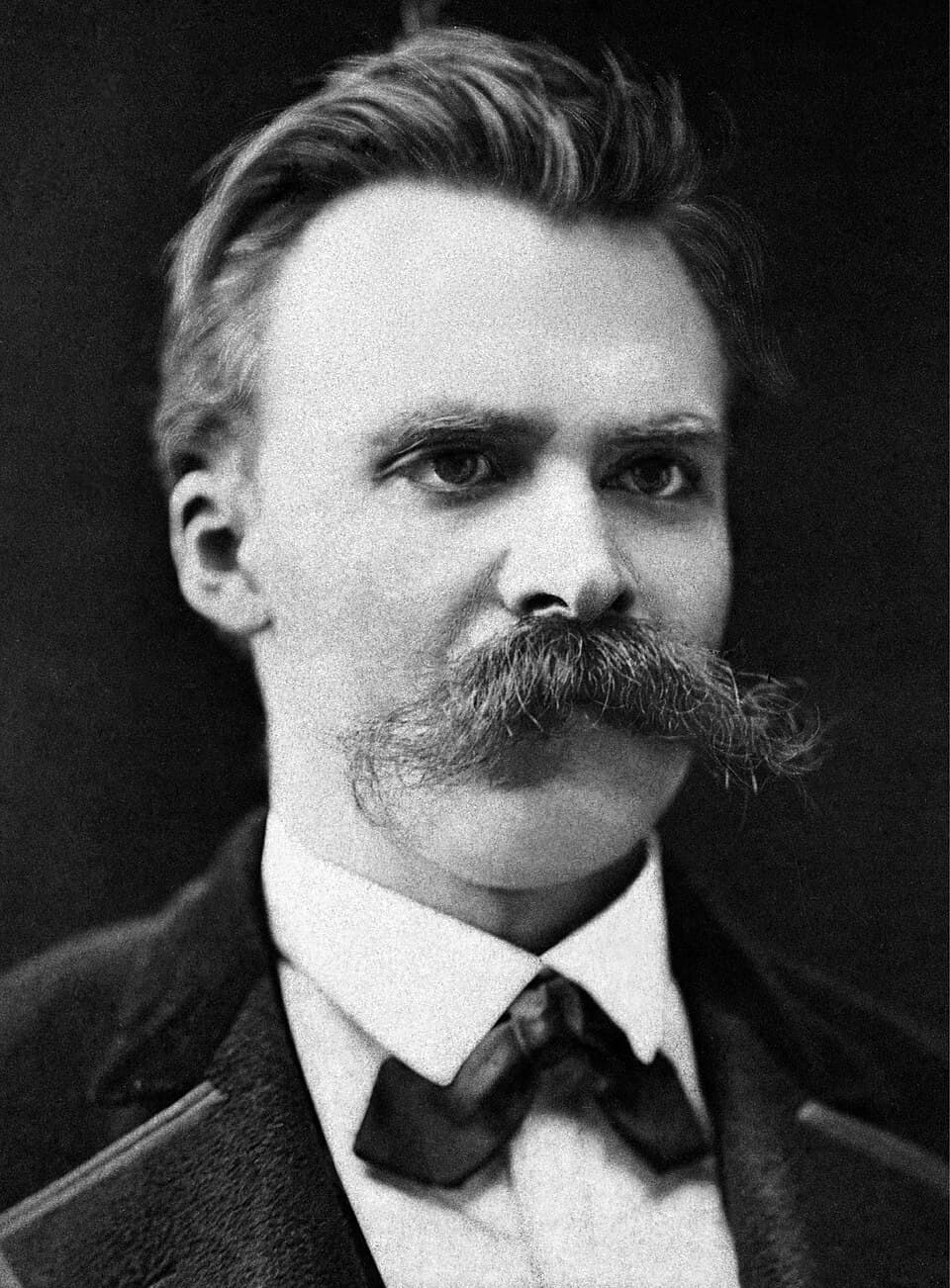
Friedrich Nietzsche
Thus Spake Zarathustra

A vision of the creative process as a lonely journey where one must transform their inner 'devils' into a personal god. It suggests that true creation and love are born from a profound self-contempt and the courage to despise what one previously cherished.

...ish thy paw also to have claws. But the worst enemy thou canst meet, wilt thou thyself always be; thou waylayest thyself in caverns and forests. Thou lonesome one, thou goest the way to thyself! And past thyself and thy seven devils leadeth thy way! A heretic wilt thou be to thyself, and a wizard and a soothsayer, and a fool, and a doubter, and a reprobate, and a villain. Ready must thou be to burn thyself in thine own flame; how couldst thou become new if thou have not first become ashes!
Thou lonesome one, thou goest the way of the creating one: a God wilt thou create for thyself out of thy seven devils! Thou lonesome one, thou goest the way of the loving one: thou lovest thyself, and on that account despisest thou thyself, as only the loving ones despise. To create, desireth the loving one, because he despiseth! What knoweth he of love who hath not been obliged to despise just what he loved!
With thy love, go into thine isolation, my brother, and with thy creating; and late only will justice limp after thee. With my tears, go into thine isolation, my brother. I love him who seeketh to create beyond himself, and thus succumbeth.— Thus spake Zarathustra. XVIII. OLD AND YOUNG WOMEN. “Why stealest thou along so furtively in the twilight, Zarathustra? And what hidest thou so carefully under thy mantle? Is it a treasure that hath been given thee? Or a child that hath been born...
1
1 of 3 in Chapter XVIII. OLD AND YOUNG WOMEN136 of 593 in work
Now entering Chapter XVIII. OLD AND YOUNG WOMEN
The Naughty Little Truth
Friedrich Nietzsche
Thus Spake Zarathustra

Zarathustra reflects on the difficulty of speaking the truth about women, suggesting that such insights are 'naughty' and should primarily be shared among men.

...and late only will justice limp after thee. With my tears, go into thine isolation, my brother. I love him who seeketh to create beyond himself, and thus succumbeth.— Thus spake Zarathustra. XVIII. OLD AND YOUNG WOMEN. “Why stealest thou along so furtively in the twilight, Zarathustra? And what hidest thou so carefully under thy mantle? Is it a treasure that hath been given thee? Or a child that hath been born thee? Or goest thou thyself on a thief’s errand, thou friend of the evil?”—
Verily, my brother, said Zarathustra, it is a treasure that hath been given me: it is a little truth which I carry. But it is naughty, like a young child; and if I hold not its mouth, it screameth too loudly. As I went on my way alone to-day, at the hour when the sun declineth, there met me an old woman, and she spake thus unto my soul: “Much hath Zarathustra spoken also to us women, but never spake he unto us concerning woman.” And I answered her: “Concerning woman, one should only talk unto men.” “Talk also unto me of woman,” said she; “I am old enough to forget it presently.”
And I obliged the old woman and spake thus unto her: Everything in woman is a riddle, and everything in woman hath one solution—it is called pregnancy. Man is for woman a means: the purpose is always the child. But what is woman for man? Two different things wanteth the true man: danger and diversion. Therefore wanteth he woman, as the most dangerous plaything. Man shall be trained for war, and woman for the recreation of the warrior: all else is folly. Too sweet fruits—these the warrior...
2
2 of 3 in Chapter XVIII. OLD AND YOUNG WOMEN137 of 593 in work
Woman as Means
Friedrich Nietzsche
Thus Spake Zarathustra

The author presents a provocative view of gender roles, suggesting that woman's primary purpose is the child, while man seeks danger and diversion. He argues that man should be trained for war and woman for the recreation of the warrior.

...ng child; and if I hold not its mouth, it screameth too loudly. As I went on my way alone to-day, at the hour when the sun declineth, there met me an old woman, and she spake thus unto my soul: “Much hath Zarathustra spoken also to us women, but never spake he unto us concerning woman.” And I answered her: “Concerning woman, one should only talk unto men.” “Talk also unto me of woman,” said she; “I am old enough to forget it presently.” And I obliged the old woman and spake thus unto her:
Everything in woman is a riddle, and everything in woman hath one solution—it is called pregnancy. Man is for woman a means: the purpose is always the child. But what is woman for man? Two different things wanteth the true man: danger and diversion. Therefore wanteth he woman, as the most dangerous plaything. Man shall be trained for war, and woman for the recreation of the warrior: all else is folly.
Too sweet fruits—these the warrior liketh not. Therefore liketh he woman;—bitter is even the sweetest woman. Better than man doth woman understand children, but man is more childish than woman. In the true man there is a child hidden: it wanteth to play. Up then, ye women, and discover the child in man! A plaything let woman be, pure and fine like the precious stone, illumined with the virtues of a world not yet come. Let the beam of a star shine in your love! Let your hope say: “May I bea...
5
3 of 3 in Chapter XVIII. OLD AND YOUNG WOMEN138 of 593 in work
The Hidden Child
Friedrich Nietzsche
Thus Spake Zarathustra

The author suggests that within every man is a child that wants to play, and woman's role is to discover and nurture this element. He encourages women to find their purpose in the hope of bearing the 'Superman,' the next stage of human evolution.

...is a riddle, and everything in woman hath one solution—it is called pregnancy. Man is for woman a means: the purpose is always the child. But what is woman for man? Two different things wanteth the true man: danger and diversion. Therefore wanteth he woman, as the most dangerous plaything. Man shall be trained for war, and woman for the recreation of the warrior: all else is folly. Too sweet fruits—these the warrior liketh not. Therefore liketh he woman;—bitter is even the sweetest woman.
Better than man doth woman understand children, but man is more childish than woman. In the true man there is a child hidden: it wanteth to play. Up then, ye women, and discover the child in man! A plaything let woman be, pure and fine like the precious stone, illumined with the virtues of a world not yet come. Let the beam of a star shine in your love! Let your hope say: “May I bear the Superman!”
In your love let there be valour! With your love shall ye assail him who inspireth you with fear! In your love be your honour! Little doth woman understand otherwise about honour. But let this be your honour: always to love more than ye are loved, and never be the second. Let man fear woman when she loveth: then maketh she every sacrifice, and everything else she regardeth as worthless. Let man fear woman when she hateth: for man in his innermost soul is merely evil; woman, however, is mea...
3
1 of 6 in Chapter XIX. THE BITE OF THE ADDER139 of 593 in work
Now entering Chapter XIX. THE BITE OF THE ADDER
The Adder's Gift
Friedrich Nietzsche
Thus Spake Zarathustra

A brief narrative where Zarathustra thanks an adder for its bite, viewing the pain as a timely awakening for his long journey. It illustrates a perspective that welcomes adversity as a necessary stimulus for progress.

...for them. Strange! Zarathustra knoweth little about woman, and yet he is right about them! Doth this happen, because with women nothing is impossible? And now accept a little truth by way of thanks! I am old enough for it! Swaddle it up and hold its mouth: otherwise it will scream too loudly, the little truth.” “Give me, woman, thy little truth!” said I. And thus spake the old woman: “Thou goest to women? Do not forget thy whip!”— Thus spake Zarathustra. XIX. THE BITE OF THE ADDER.
One day had Zarathustra fallen asleep under a fig-tree, owing to the heat, with his arms over his face. And there came an adder and bit him in the neck, so that Zarathustra screamed with pain. When he had taken his arm from his face he looked at the serpent; and then did it recognise the eyes of Zarathustra, wriggled awkwardly, and tried to get away. “Not at all,” said Zarathustra, “as yet hast thou not received my thanks! Thou hast awakened me in time; my journey is yet long.”
“Thy journey is short,” said the adder sadly; “my poison is fatal.” Zarathustra smiled. “When did ever a dragon die of a serpent’s poison?”—said he. “But take thy poison back! Thou art not rich enough to present it to me.” Then fell the adder again on his neck, and licked his wound. When Zarathustra once told this to his disciples they asked him: “And what, O Zarathustra, is the moral of thy story?” And Zarathustra answered them thus: The destroyer of morality, the good and just call me: m...
1