Heavy Happiness
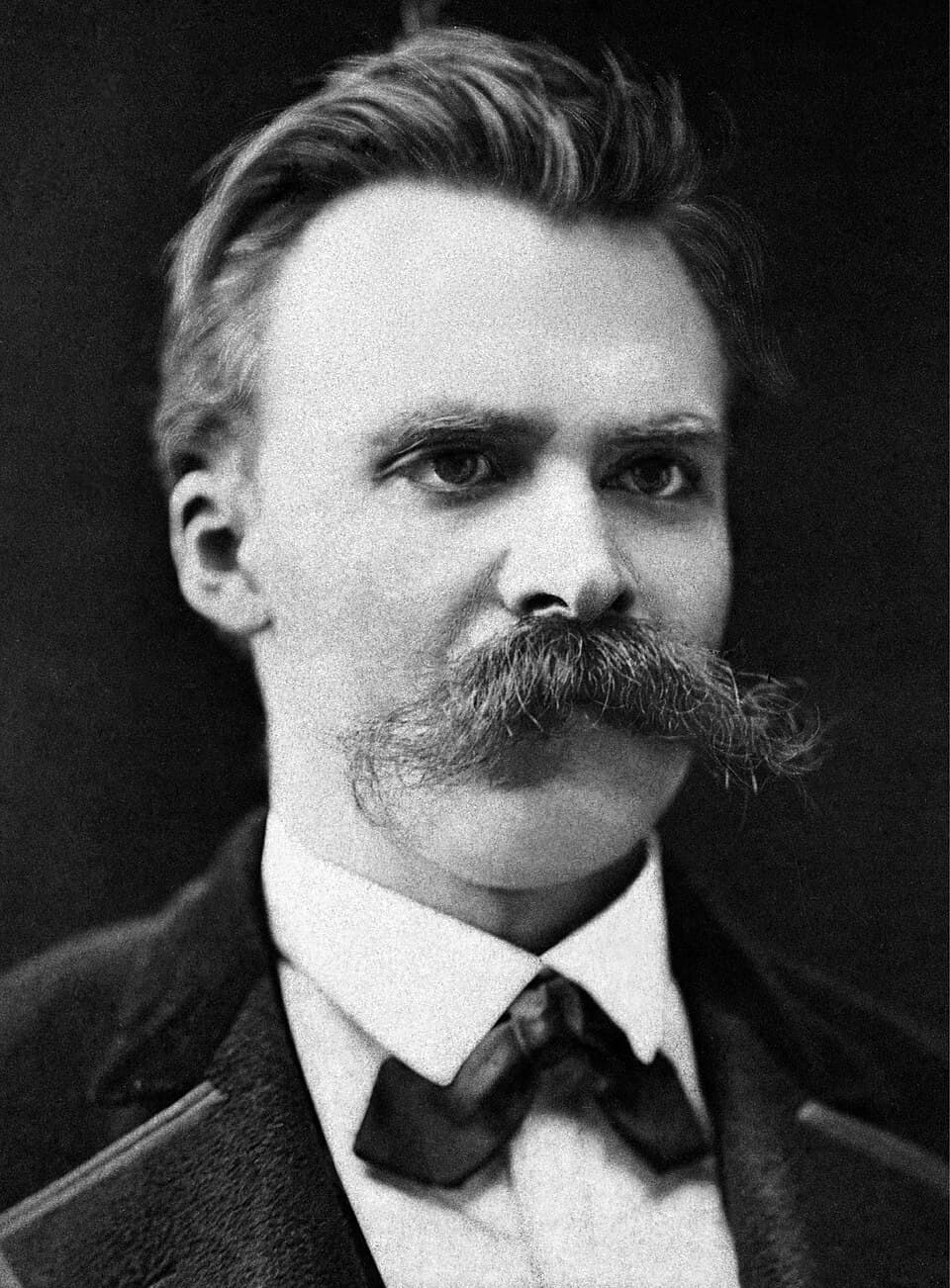
Friedrich Nietzsche
Thus Spake ZarathustraZarathustra clarifies that his 'heavy' happiness is not a burden of misery but the 'honey' of ripeness, suggesting that his stillness and darkening appearance are signs of a soul filled with the weight of its own wisdom.
...h out on the sea, and away beyond sinuous abysses,—then went his animals thoughtfully round about him, and at last set themselves in front of him. “O Zarathustra,” said they, “gazest thou out perhaps for thy happiness?”—“Of what account is my happiness!” answered he, “I have long ceased to strive any more for happiness, I strive for my work.”—“O Zarathustra,” said the animals once more, “that sayest thou as one who hath overmuch of good things. Liest thou not in a sky-blue lake of happiness?”—
“Ye wags,” answered Zarathustra, and smiled, “how well did ye choose the simile! But ye know also that my happiness is heavy, and not like a fluid wave of water: it presseth me and will not leave me, and is like molten pitch.”— Then went his animals again thoughtfully around him, and placed themselves once more in front of him. “O Zarathustra,” said they, “it is consequently FOR THAT REASON that thou thyself always becometh yellower and darker, although thy hair looketh white and flaxen? Lo, thou sittest in thy pitch!”—“What do ye say, mine animals?” said Zarathustra, laughing; “verily I reviled when I spake of pitch. As it happeneth with me,…
—“So will it be, O Zarathustra,” answered his animals, and pressed up to him; “but wilt thou not to-day ascend a high mountain? The air is pure, and to-day one seeth more of the world than ever.”—“Yea, mine animals,” answered he, “ye counsel admirably and according to my heart: I will to-day ascend a high mountain! But see that honey is there ready to hand, yellow, white, good, ice-cool, golden-comb-honey. For know that when aloft I will make the honey sacrifice.”— When Zarathustra, however, w...
Continue reading →
1