4 of 5 in Chapter XXVI. THE PRIESTS196 of 593 in work
Saviours from Defects
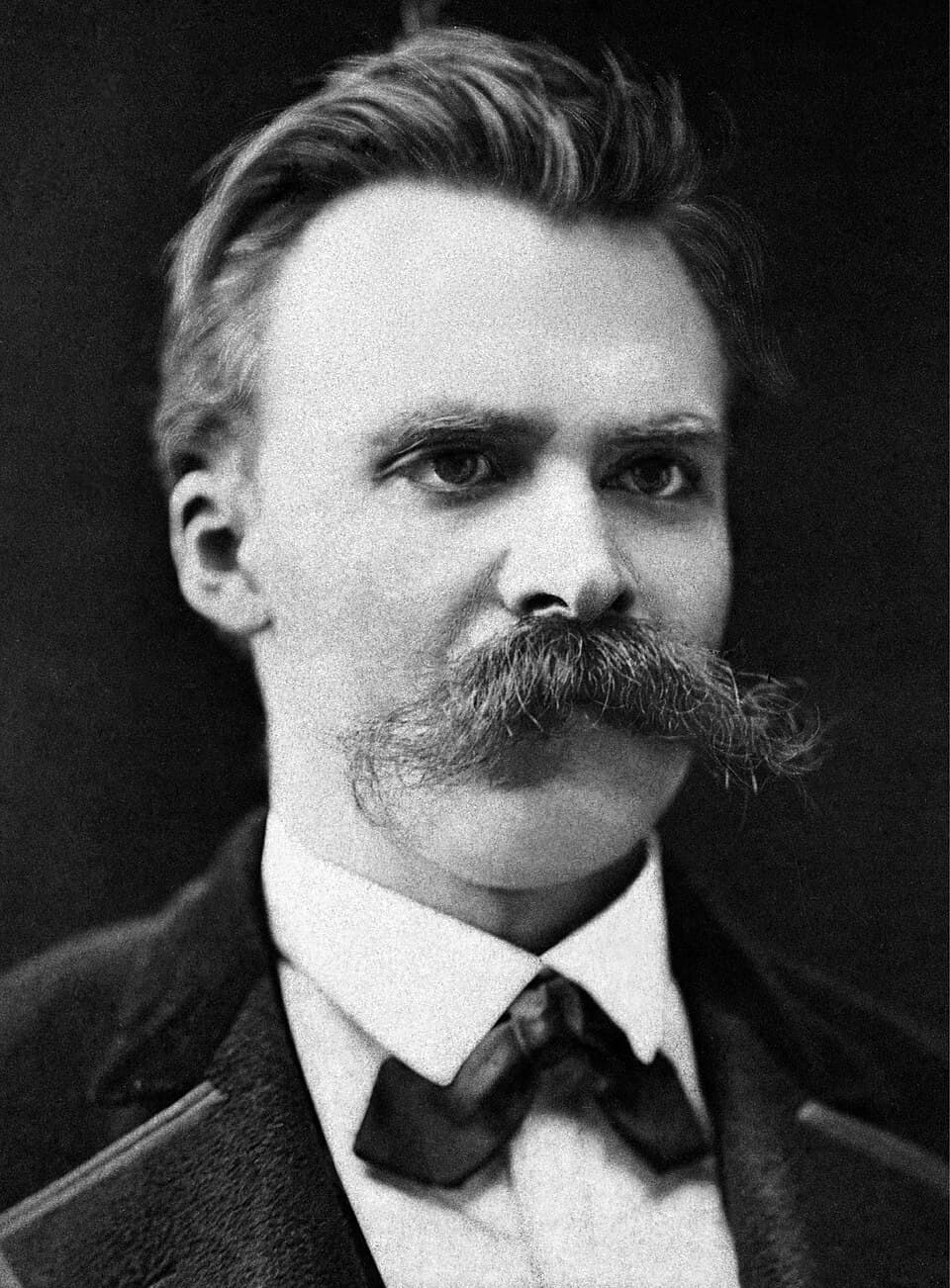
Friedrich Nietzsche
Thus Spake Zarathustra

The author critiques religious saviors, arguing that their doctrines were born from personal defects and illusions used to fill the gaps in their own knowledge and freedom.

...live; in black draped they their corpses; even in their talk do I still feel the evil flavour of charnel-houses. And he who liveth nigh unto them liveth nigh unto black pools, wherein the toad singeth his song with sweet gravity. Better songs would they have to sing, for me to believe in their Saviour: more like saved ones would his disciples have to appear unto me! Naked, would I like to see them: for beauty alone should preach penitence. But whom would that disguised affliction convince!
Verily, their Saviours themselves came not from freedom and freedom’s seventh heaven! Verily, they themselves never trod the carpets of knowledge! Of defects did the spirit of those Saviours consist; but into every defect had they put their illusion, their stop-gap, which they called God.
In their pity was their spirit drowned; and when they swelled and o’erswelled with pity, there always floated to the surface a great folly. Eagerly and with shouts drove they their flock over their foot-bridge; as if there were but one foot-bridge to the future! Verily, those shepherds also were still of the flock! Small spirits and spacious souls had those shepherds: but, my brethren, what small domains have even the most spacious souls hitherto been! Characters of blood did they write on...
4
5 of 5 in Chapter XXVI. THE PRIESTS197 of 593 in work
Blood's False Witness
Friedrich Nietzsche
Thus Spake Zarathustra

A warning that martyrdom and passion are not evidence of truth, arguing that real wisdom must come from a 'cold head' rather than the 'sultry heart' of a self-proclaimed savior.

...elled with pity, there always floated to the surface a great folly. Eagerly and with shouts drove they their flock over their foot-bridge; as if there were but one foot-bridge to the future! Verily, those shepherds also were still of the flock! Small spirits and spacious souls had those shepherds: but, my brethren, what small domains have even the most spacious souls hitherto been! Characters of blood did they write on the way they went, and their folly taught that truth is proved by blood.
But blood is the very worst witness to truth; blood tainteth the purest teaching, and turneth it into delusion and hatred of heart. And when a person goeth through fire for his teaching—what doth that prove! It is more, verily, when out of one’s own burning cometh one’s own teaching! Sultry heart and cold head; where these meet, there ariseth the blusterer, the “Saviour.”
Greater ones, verily, have there been, and higher-born ones, than those whom the people call Saviours, those rapturous blusterers! And by still greater ones than any of the Saviours must ye be saved, my brethren, if ye would find the way to freedom! Never yet hath there been a Superman. Naked have I seen both of them, the greatest man and the smallest man:— All-too-similar are they still to each other. Verily, even the greatest found I—all-too-human!— Thus spake Zarathustra. XXVII. TH...
5
1 of 9 in Chapter XXVII. THE VIRTUOUS198 of 593 in work
Now entering Chapter XXVII. THE VIRTUOUS
Virtue's Hidden Price
Friedrich Nietzsche
Thus Spake Zarathustra

The author critiques the 'virtuous' for seeking rewards and payment, arguing that the concepts of punishment and reward have corrupted the very basis of the soul.

...ch other. Verily, even the greatest found I—all-too-human!— Thus spake Zarathustra. XXVII. THE VIRTUOUS. With thunder and heavenly fireworks must one speak to indolent and somnolent senses. But beauty’s voice speaketh gently: it appealeth only to the most awakened souls. Gently vibrated and laughed unto me to-day my buckler; it was beauty’s holy laughing and thrilling. At you, ye virtuous ones, laughed my beauty to-day. And thus came its voice unto me: “They want—to be paid besides!”
Ye want to be paid besides, ye virtuous ones! Ye want reward for virtue, and heaven for earth, and eternity for your to-day? And now ye upbraid me for teaching that there is no reward-giver, nor paymaster? And verily, I do not even teach that virtue is its own reward. Ah! this is my sorrow: into the basis of things have reward and punishment been insinuated—and now even into the basis of your souls, ye virtuous ones!
But like the snout of the boar shall my word grub up the basis of your souls; a ploughshare will I be called by you. All the secrets of your heart shall be brought to light; and when ye lie in the sun, grubbed up and broken, then will also your falsehood be separated from your truth. For this is your truth: ye are TOO PURE for the filth of the words: vengeance, punishment, recompense, retribution. Ye love your virtue as a mother loveth her child; but when did one hear of a mother wanting to...
4
2 of 9 in Chapter XXVII. THE VIRTUOUS199 of 593 in work
Virtue's False Reward
Friedrich Nietzsche
Thus Spake Zarathustra

The author seeks to uproot traditional notions of reward and punishment, aiming to expose the hidden falsehoods within the souls of the 'virtuous.'

...y’s voice speaketh gently: it appealeth only to the most awakened souls. Gently vibrated and laughed unto me to-day my buckler; it was beauty’s holy laughing and thrilling. At you, ye virtuous ones, laughed my beauty to-day. And thus came its voice unto me: “They want—to be paid besides!” Ye want to be paid besides, ye virtuous ones! Ye want reward for virtue, and heaven for earth, and eternity for your to-day? And now ye upbraid me for teaching that there is no reward-giver, nor paymaster?
And verily, I do not even teach that virtue is its own reward. Ah! this is my sorrow: into the basis of things have reward and punishment been insinuated—and now even into the basis of your souls, ye virtuous ones! But like the snout of the boar shall my word grub up the basis of your souls; a ploughshare will I be called by you. All the secrets of your heart shall be brought to light; and when ye lie in the sun, grubbed up and broken, then will also your falsehood be separated from your truth.
For this is your truth: ye are TOO PURE for the filth of the words: vengeance, punishment, recompense, retribution. Ye love your virtue as a mother loveth her child; but when did one hear of a mother wanting to be paid for her love? It is your dearest Self, your virtue. The ring’s thirst is in you: to reach itself again struggleth every ring, and turneth itself. And like the star that goeth out, so is every work of your virtue: ever is its light on its way and travelling—and when will it ce...
4
3 of 9 in Chapter XXVII. THE VIRTUOUS200 of 593 in work
Virtue as Mother's Love
Friedrich Nietzsche
Thus Spake Zarathustra

A vision of virtue as its own reward, where the author encourages a purity of spirit that acts out of inherent nature rather than a desire for retribution or payment.

...verily, I do not even teach that virtue is its own reward. Ah! this is my sorrow: into the basis of things have reward and punishment been insinuated—and now even into the basis of your souls, ye virtuous ones! But like the snout of the boar shall my word grub up the basis of your souls; a ploughshare will I be called by you. All the secrets of your heart shall be brought to light; and when ye lie in the sun, grubbed up and broken, then will also your falsehood be separated from your truth.
For this is your truth: ye are TOO PURE for the filth of the words: vengeance, punishment, recompense, retribution. Ye love your virtue as a mother loveth her child; but when did one hear of a mother wanting to be paid for her love? It is your dearest Self, your virtue.
The ring’s thirst is in you: to reach itself again struggleth every ring, and turneth itself. And like the star that goeth out, so is every work of your virtue: ever is its light on its way and travelling—and when will it cease to be on its way? Thus is the light of your virtue still on its way, even when its work is done. Be it forgotten and dead, still its ray of light liveth and travelleth. That your virtue is your Self, and not an outward thing, a skin, or a cloak: that is the truth from...
2