Kings' False Disguise
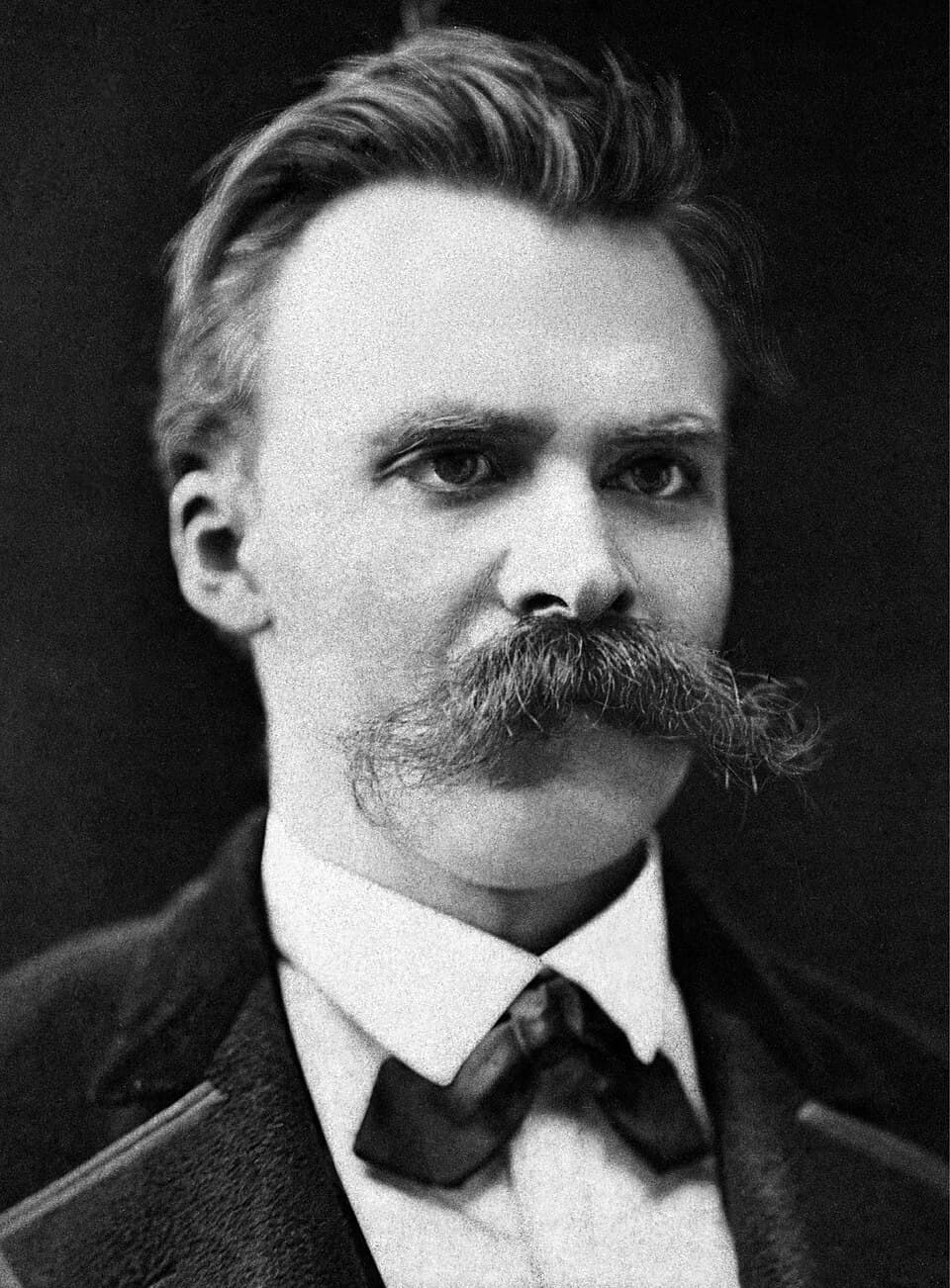
Friedrich Nietzsche
Thus Spake ZarathustraA confession of deep disgust regarding the falsity of modern leadership, where those in power merely wear the faded masks of ancestors to appease the masses.
...t type should be master! But it is the kingdom of the populace—I no longer allow anything to be imposed upon me. The populace, however—that meaneth, hodgepodge. Populace-hodgepodge: therein is everything mixed with everything, saint and swindler, gentleman and Jew, and every beast out of Noah’s ark. Good manners! Everything is false and foul with us. No one knoweth any longer how to reverence: it is THAT precisely that we run away from. They are fulsome obtrusive dogs; they gild palm-leaves.
This loathing choketh me, that we kings ourselves have become false, draped and disguised with the old faded pomp of our ancestors, show-pieces for the stupidest, the craftiest, and whosoever at present trafficketh for power. We ARE NOT the first men—and have nevertheless to STAND FOR them: of this imposture have we at last become weary and disgusted.
From the rabble have we gone out of the way, from all those bawlers and scribe-blowflies, from the trader-stench, the ambition-fidgeting, the bad breath—: fie, to live among the rabble; —Fie, to stand for the first men among the rabble! Ah, loathing! Loathing! Loathing! What doth it now matter about us kings!”— “Thine old sickness seizeth thee,” said here the king on the left, “thy loathing seizeth thee, my poor brother. Thou knowest, however, that some one heareth us.” Immediately thereupo...
2